

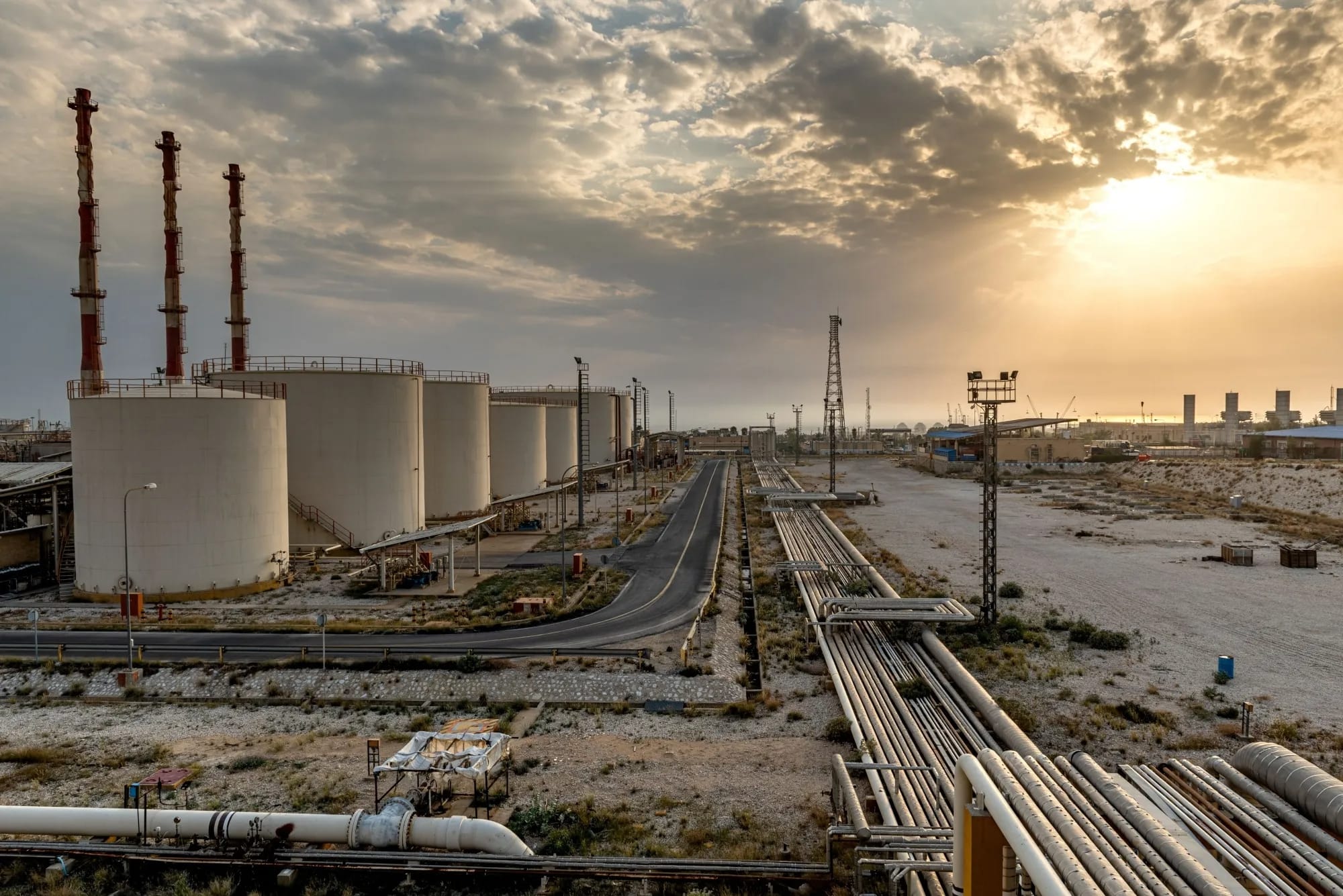
Oil has a habit of turning into a drama—wars, sanctions, shipping lanes, headlines that feel like they should spike prices overnight. But this week delivered a different plot twist: crude dipped below roughly $60, and the emerging argument is blunt—rising supply may matter more than geopolitics in the near term.
That doesn’t mean geopolitics suddenly stopped being relevant. It means the market may be treating it like background noise unless it directly removes barrels from the system.
Why a ~$60 break matters
Round numbers in oil aren’t just psychological—they’re behavioral. When prices slide below a level like $60, it can shift:
- Producer expectations (how aggressive to be on drilling and investment)
- Trader positioning (momentum can feed on itself)
- Policy chatter (from strategic reserves to OPEC+ signaling)
- Recession and demand fears (whether justified or not)
In other words: the price move becomes part of the story, not just a reflection of it.
The “supply beats headlines” setup
Oil prices are ultimately a balance sheet: what the world produces vs. what the world consumes, plus how much sits in storage. If supply is climbing—or simply expected to be comfortable—markets tend to discount geopolitical risk unless it turns into something tangible, like:
- sustained production outages
- major export disruptions
- enforceable sanctions that actually stick
- shipping interruptions that persist long enough to drain inventories
When those things don’t happen, the risk premium can evaporate fast.
Why the market can shrug at geopolitics
It feels counterintuitive, but oil can “look past” geopolitical tension for a few reasons:
- Markets price probability, not emotion. If disruption is possible but not likely—or not large enough—prices won’t chase it.
- Inventory and spare capacity expectations matter. If traders believe the system can absorb shocks, the premium shrinks.
- Demand uncertainty keeps a lid on rallies. If growth looks soft, even scary headlines struggle to lift prices.
So you get a market that sounds callous: Show me missing barrels.
What to watch next
If the near-term narrative is shifting toward supply, the next catalysts are less about speeches and more about numbers:
- production and export trends
- inventory builds/draws
- OPEC+ discipline and messaging
- refinery runs and seasonal demand
- signs demand is accelerating—or stalling
If supply continues to look ample, prices can stay heavy even with geopolitical tension simmering. If supply tightens unexpectedly, geopolitics will rush back to center stage in a hurry.
Bottom line
Oil dropping below ~$60 this week is a reminder that markets can be ruthlessly practical. Geopolitics still matters—but in the near term, the market may be voting that more supply (or the expectation of it) is the louder force. In oil, narratives change quickly. Right now, the loudest one is simple: barrels are winning.