

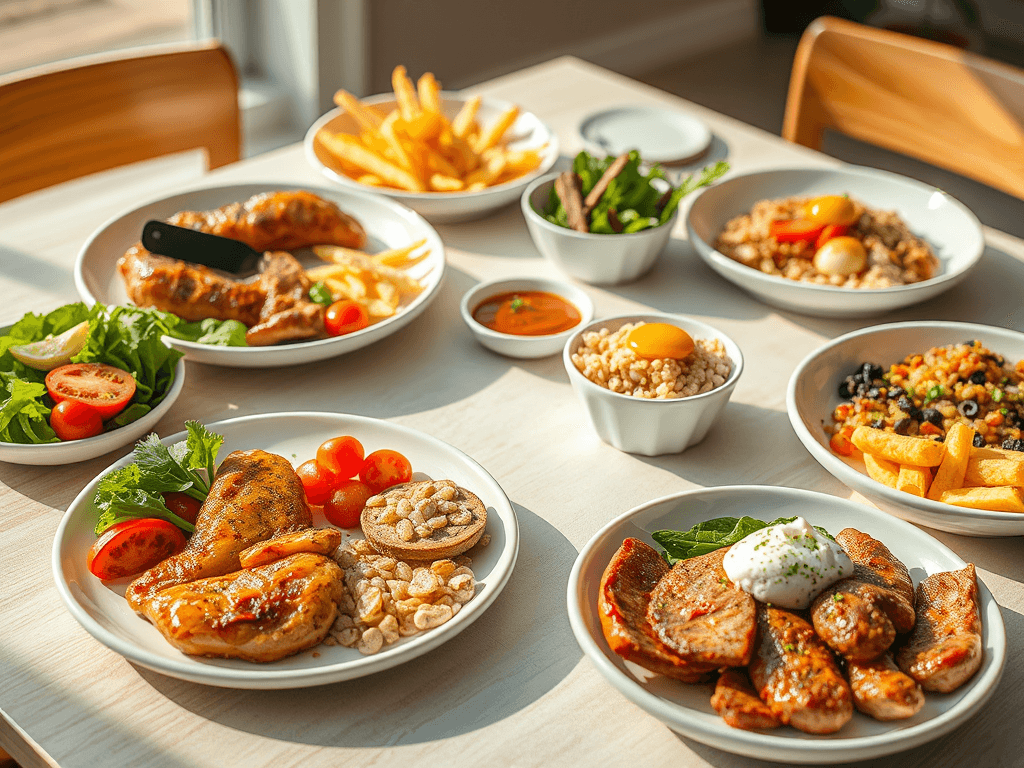
Reuters reports that the newly approved Wegovy weight-loss pill could accelerate a wave of “GLP-1 friendly” food and menu changes in 2026—think smaller portions, and more products marketed around higher protein and fiber.
This makes sense because GLP-1 medications don’t just change weight—they often change appetite. Many people on GLP-1s report getting full faster, craving less, and prioritizing foods that “sit well.” That ripples into the real world: if a growing customer segment eats differently, brands and restaurants adapt.
What “GLP-1 friendly” will likely look like
Expect a quiet redesign of mainstream food, not a whole new category. The trend signals:
- Portion right-sizing: half portions, “mini” entrées, splitable plates, snack-size desserts
- Protein-forward messaging: lean proteins, high-protein bowls, protein add-ons, clearer grams-per-serving labeling
- Fiber as a feature: more beans, whole grains, greens, and “gut-friendly” positioning
- Lower sugar / lower grease options: foods that feel lighter and less likely to trigger discomfort
- More functional snacks: portable, high-protein, high-fiber items aimed at “small meal” eating patterns
Who benefits—and who has to pivot
Restaurants that already win with customizable bowls, grilled proteins, and lighter sides may be early winners. Packaged food brands may race to repackage existing items with clearer protein/fiber positioning. Meanwhile, businesses built on volume—giant combos, oversized desserts, “supersize” value—could face a slower, subtler demand shift.
The interesting part is that this isn’t only about health food. It’s about eating behavior. If GLP-1 use continues expanding, 2026 could bring a new normal where “value” is less about more food for the money and more about better macros, better satiety, and less waste.
In short: a pill doesn’t just change bodies. It can change the business model of dinner.