

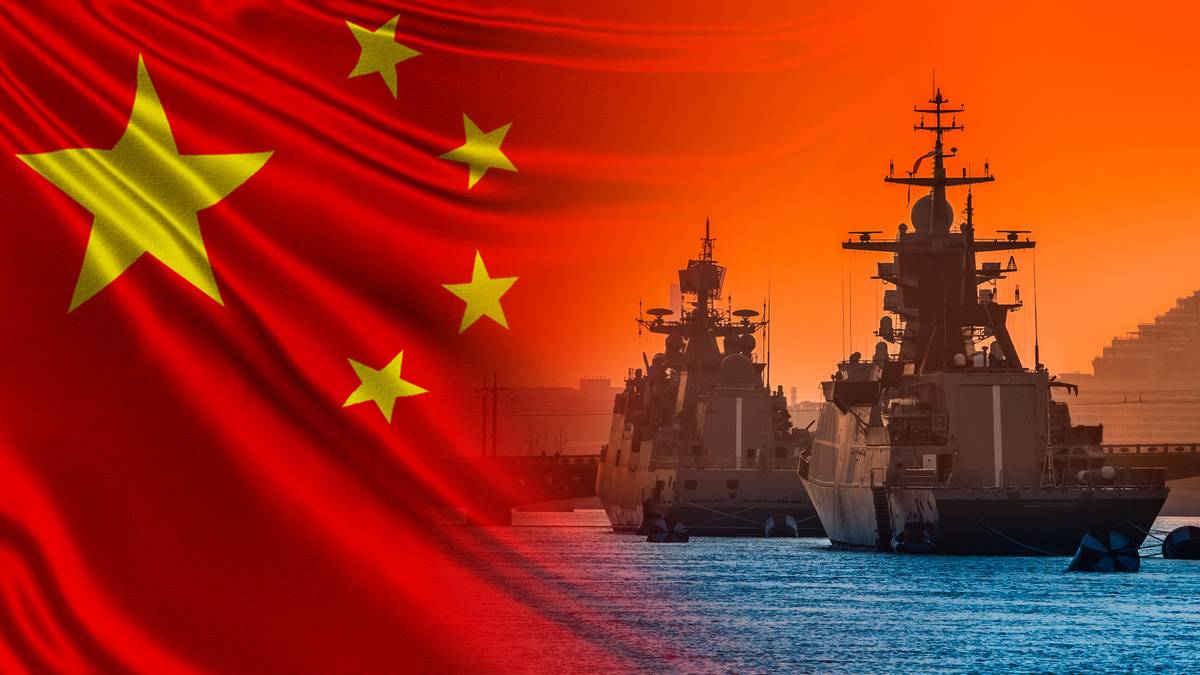
China has launched what’s being described as its most expansive round of military drills yet around Taiwan, code-named “Justice Mission 2025.” The scale and footprint have been big enough to trigger major travel disruption, while Taiwan has mobilized forces and raised readiness in response.
These aren’t just routine exercises. The messaging and geometry matter: drills that ring the island are designed to feel like a rehearsal for encirclement and blockade scenarios, not merely a show of presence. When multiple services operate at once—naval, air, missile forces, and coast guard—Taiwan’s planners (and neighboring countries) read it as practice for coordinated pressure across sea lanes and air corridors.
Why the disruption is part of the point
The flight and travel fallout isn’t incidental. Large exclusion zones, live-fire activity, and sudden operational announcements can scramble regional aviation planning, reroute traffic, and inject uncertainty into normal movement. In a crisis, that same uncertainty becomes leverage: it tests how quickly Taiwan and the wider region can adapt when the map changes without warning.
Taiwan’s response: readiness without escalation
Taiwan’s mobilization signals a careful line: demonstrate capability and resolve, avoid giving Beijing a pretext to claim provocation. That typically means rapid-response drills, dispersed deployments, heightened air and maritime patrols, and tighter coordination between the military and coast guard—especially around outlying waters and major approaches.
The bigger trend: drills as normalization
The most worrying long-term shift isn’t one exercise—it’s the possibility that these operations become more frequent, broader, and closer, turning “extraordinary pressure” into “background conditions.” Over time, repetition can erode reaction time, raise the risk of accidents, and make any real escalation harder to distinguish from “just another drill.”
What to watch next
- Duration and repeat cadence: Does this end cleanly, or become a pattern?
- Port and corridor emphasis: Any continued focus on blockade-style positioning?
- Regional spillover: How airlines, shipping, and neighboring militaries adjust.
- Political signaling: Whether the drills are followed by new warnings, sanctions, or further steps tied to external involvement.
For now, “Justice Mission 2025” looks less like theater and more like strategic shaping—using military movement to alter the everyday risk calculus around Taiwan, one disrupted route and one encirclement map at a time.

