

Presidents love taking credit when prices fall.
They talk about strength, leadership, smart policy, and economic momentum. They behave as if the pain has ended because they ended it. But the reverse is true too. When fuel prices surge, when inflation anxiety returns, and when families start feeling squeezed at the pump, voters do not suddenly become nuanced geopolitical analysts. They look at the person in charge.
That is the political trap now closing around Donald Trump.
The Pump Is Where Foreign Policy Becomes Personal
Wars can sound distant until they hit the family budget.
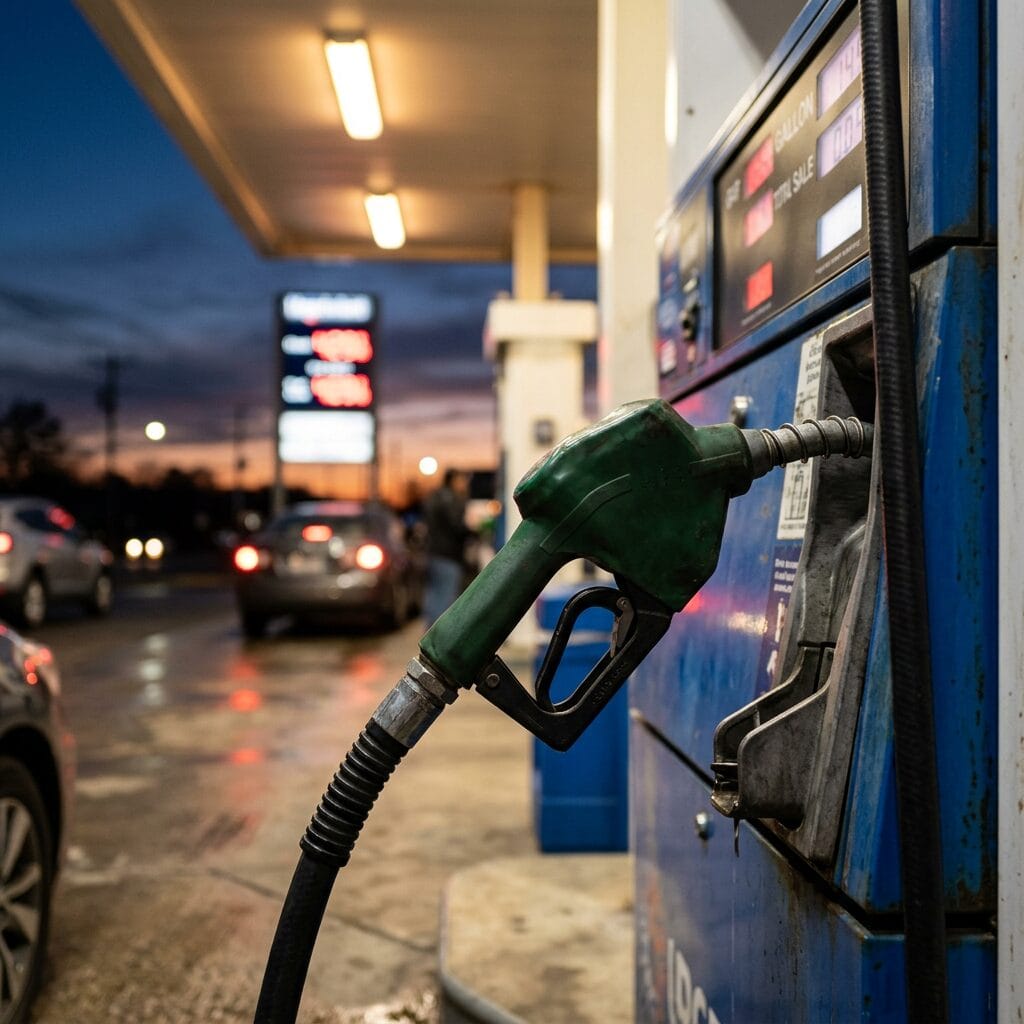
That is what makes gas prices so politically dangerous. They turn grand strategy into household resentment. Most voters are not spending their week studying tanker routes or energy markets. They are watching numbers jump while filling up the car, and they are asking a simple question: why is this happening under your watch?
That question is toxic in an election year.
Because once the cost of war stops being abstract and starts becoming visible in daily life, the political shield around the commander in chief weakens fast.
Affordability Was Supposed to Be Trump’s Strength
That is what makes this moment especially damaging.
Trump built so much of his brand around affordability, economic toughness, and the promise that life would cost less under his leadership. He sold himself not just as a nationalist, but as a fixer. A man who would lower prices, restore confidence, and prove that strong leadership could deliver practical relief.
That message becomes a lot harder to sell when everyday costs are rising again.
Voters can forgive many things in politics. They are much less forgiving when a leader’s core promise starts collapsing in plain sight.
Gas Prices Are a Brutal Political Symbol
Fuel prices matter not only because of the money, but because of what they symbolize.
They tell voters whether life feels manageable or not. They sit on giant roadside signs. They force people to confront inflation in real time. You do not need an economist to explain the mood when every commute feels more expensive. Gas prices become a public scoreboard for whether the country feels under control.
And right now, that scoreboard is not helping Trump.
Republicans Cannot Easily Spin This Away
That is the nightmare for the GOP.
If prices rise because of a war strongly associated with Trump’s choices, then Republican candidates inherit a problem they did not create but will still be forced to defend. They can try blaming global conditions. They can try changing the subject to taxes, immigration, or culture war themes. But none of that changes the fact that voters experience affordability physically, weekly, and repeatedly.
There is no easy messaging trick that makes an expensive fill-up feel cheap.
The Economy Advantage Is Not What It Used to Be
For years, Republicans benefited from a broad public assumption that they were better on the economy, even when that assumption was often shaky. That edge mattered because it gave the party a kind of default credibility with swing voters.
But default credibility can erode quickly when living costs rise and the governing party looks unable to stop the bleeding.
That is what makes this more dangerous than a temporary polling wobble. It threatens one of the central political advantages Republicans have relied on for years.
Midterms Punish the Party in Power for Everyday Pain
Voters do not need to think the whole economy is collapsing to punish the party in charge.
They only need to feel that the basic promise of relief is not being kept.
Midterms are often less about ideology than irritation. People vote to register frustration. They use congressional races to send a message upward. And when prices are high, that message usually gets sharper. The governing party starts carrying every annoyance at once: gas, groceries, inflation, anxiety, and the feeling that nobody in power is really paying the same price as everyone else.
That is the environment Republicans now have to survive.
War Abroad, Political Damage at Home
This is the deeper lesson Washington keeps relearning.
Foreign policy is never just foreign. Not when oil markets move, not when inflation returns, and not when family budgets become the place where military decisions are quietly judged. Leaders may talk about strategy, deterrence, and national interest. Voters often translate all of that into a far less flattering question: did this make my life harder?
If the answer feels like yes, patriotism alone does not save the incumbents.
The Real Danger for Trump
The biggest risk for Trump is not just that people are angry.
It is that the anger cuts directly against the image he worked hardest to build. If he were seen mainly as a culture-war figure, this would still hurt, but it would be easier to compartmentalize. Instead, he positioned himself as the man who would make life cost less and feel more stable.
When gas prices spike on his watch, that claim takes a direct hit.
And once a leader starts losing trust on prices, the political damage spreads far beyond one issue.
The Meaning of the Moment
This is not just a bad headline for the White House. It is a warning about the shape of the midterms.
If voters keep connecting Trump to higher gas prices, then the election stops being just another partisan contest. It becomes a referendum on affordability, judgment, and whether the man who promised economic relief is now presiding over a fresh round of pain instead.