

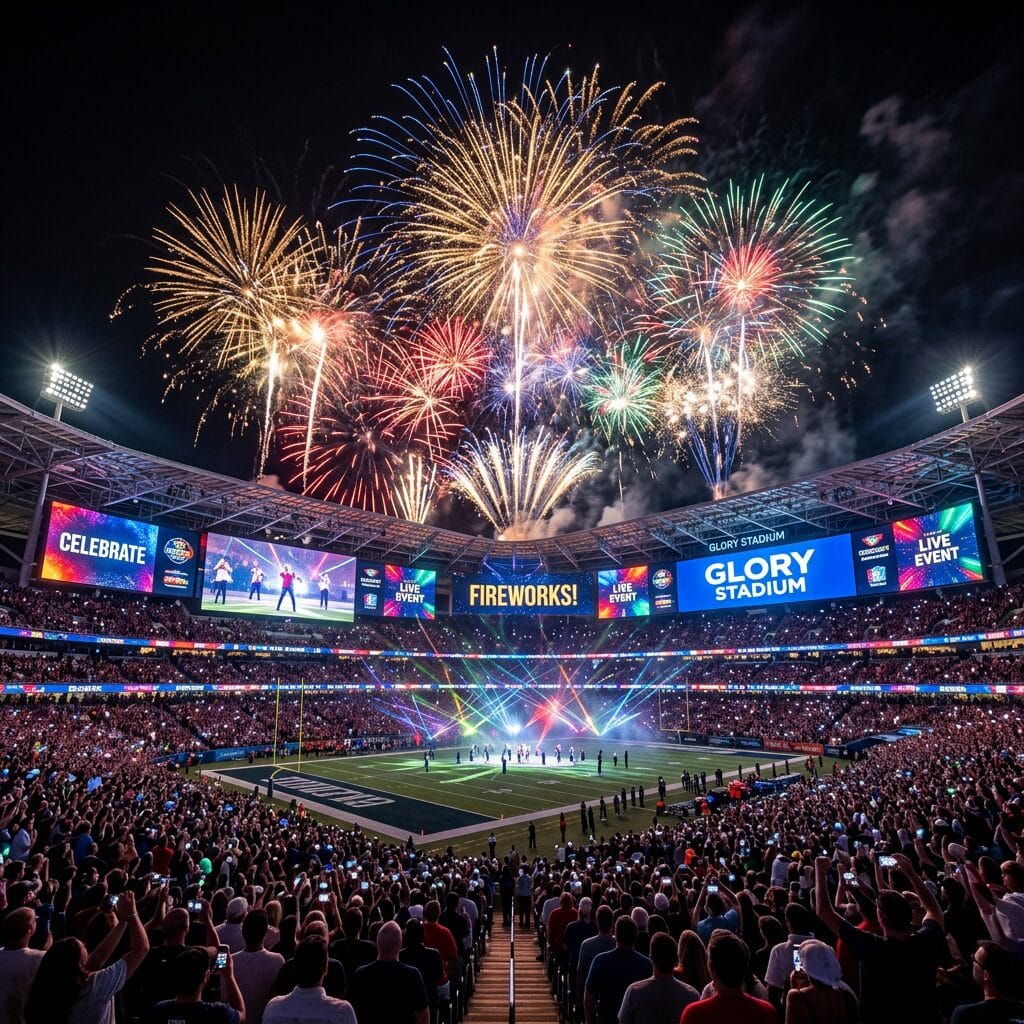
The World Cup has always been about more than football.
It has always been nationalism, mythology, commerce, television, branding, and the emotional theater of millions of people believing history might bend around 90 minutes. Now FIFA is pushing that logic even further. By turning the opening matches in the United States, Mexico, and Canada into full entertainment showcases, it is making something unmistakably clear: the modern World Cup is no longer just a tournament. It is a global entertainment machine.
And that machine wants your attention long before kickoff.
FIFA Does Not Want a Match. It Wants a Moment.
There is a difference between staging a game and staging an event.
A game can stand on its own. An event demands buildup, celebrity, performance, anticipation, and the feeling that simply being there means witnessing something culturally larger than sport. That is the lane FIFA is leaning into now. The opening fixtures are being treated less like competitive beginnings and more like continental showcases, where football becomes the centerpiece of a larger spectacle designed for cameras, clips, and mass emotional packaging.
That is not accidental.
This is how modern sports power works. It does not just sell competition. It sells atmosphere.
The Tournament Is Borrowing More From the Super Bowl Playbook
For years, American sports mastered the art of turning athletic events into total entertainment products.
Pregame concerts, celebrity cameos, cross-genre branding, and television-friendly spectacle became part of the ritual. The World Cup, especially with the United States helping host, appears ready to absorb more of that logic. That means the old line between sport and entertainment gets even thinner.
Some fans will love that. Some will hate it.
But nobody should pretend it is surprising.
Once global football enters markets built on spectacle, the spectacle was always going to get louder.
This Is Also a Branding Exercise for Three Countries
The opening ceremonies are not only about FIFA. They are about the hosts.
The United States wants scale, glamour, and star power. Mexico wants cultural weight and historical football prestige. Canada wants its own opening moment to feel unmistakably part of the global center, not a side note to its larger neighbors. Entertainment becomes a way to nationalize the tournament before the football itself starts deciding which stories survive.
That gives these performances more purpose than simple filler.
They are part of the political and cultural packaging of the tournament itself.
Pop Stars Help FIFA Sell a Safer, Shinier Narrative
There is another reason these entertainment-heavy openings matter.
Mega-tournaments often arrive carrying baggage: labor questions, political criticism, costs, logistical anxiety, security concerns, and the quiet resentment that follows any event this large and commercially powerful. Music and celebrity help soften all that. They create a warmer front end. They flood the conversation with excitement, star recognition, and social media shareability. They help the machine feel festive instead of heavy.
That is one of entertainment’s oldest roles in power: distraction through delight.
Football Purists Will Roll Their Eyes, but FIFA Knows the Audience Is Bigger Than Them
There will always be fans who see this kind of showmanship as unnecessary noise.
To them, the World Cup should not need pop stars to announce its importance. The game is enough. The jerseys are enough. The anthem, the pressure, the whistle, the first tackle — that is the real theater.
There is truth in that.
But FIFA is not building these ceremonies for purists alone. It is building them for global casual audiences, younger viewers, families, advertisers, and the vast digital crowd that consumes sport as culture as much as competition. In that world, music is not extra. It is strategy.
The Real Goal Is Emotional Saturation
What FIFA wants is not just viewership.
It wants saturation.
It wants the World Cup to dominate not only sports coverage but entertainment coverage, fashion coverage, social media trends, celebrity chatter, and national conversation. A tournament of this scale no longer lives or dies on match quality alone. It thrives on becoming unavoidable.
That is what these opening performances are really about.
They are not a side attraction. They are part of the larger project of making the World Cup feel like the center of global culture for a month.
The Tournament Is Expanding, and So Is the Show
There is also a structural reason all this is getting bigger.
A 48-team World Cup is not just more football. It is more inventory, more audiences, more host-city theater, more sponsors, more programming, and more pressure to make each key moment feel distinct. Entertainment helps do that. It adds ceremony to scale. It turns expansion into something that feels celebratory rather than purely commercial.
At least, that is the hope.
Because the bigger the tournament gets, the more FIFA needs to convince the world that bigger still means meaningful.
The Meaning of the Moment
The opening-match performances matter because they show what the World Cup is becoming.
Not less about football, but more layered around football. More theatrical. More celebrity-driven. More consciously engineered as a cultural mega-event that must win attention before it wins loyalty. This is the World Cup as a global pop spectacle, not just a sporting competition.

