


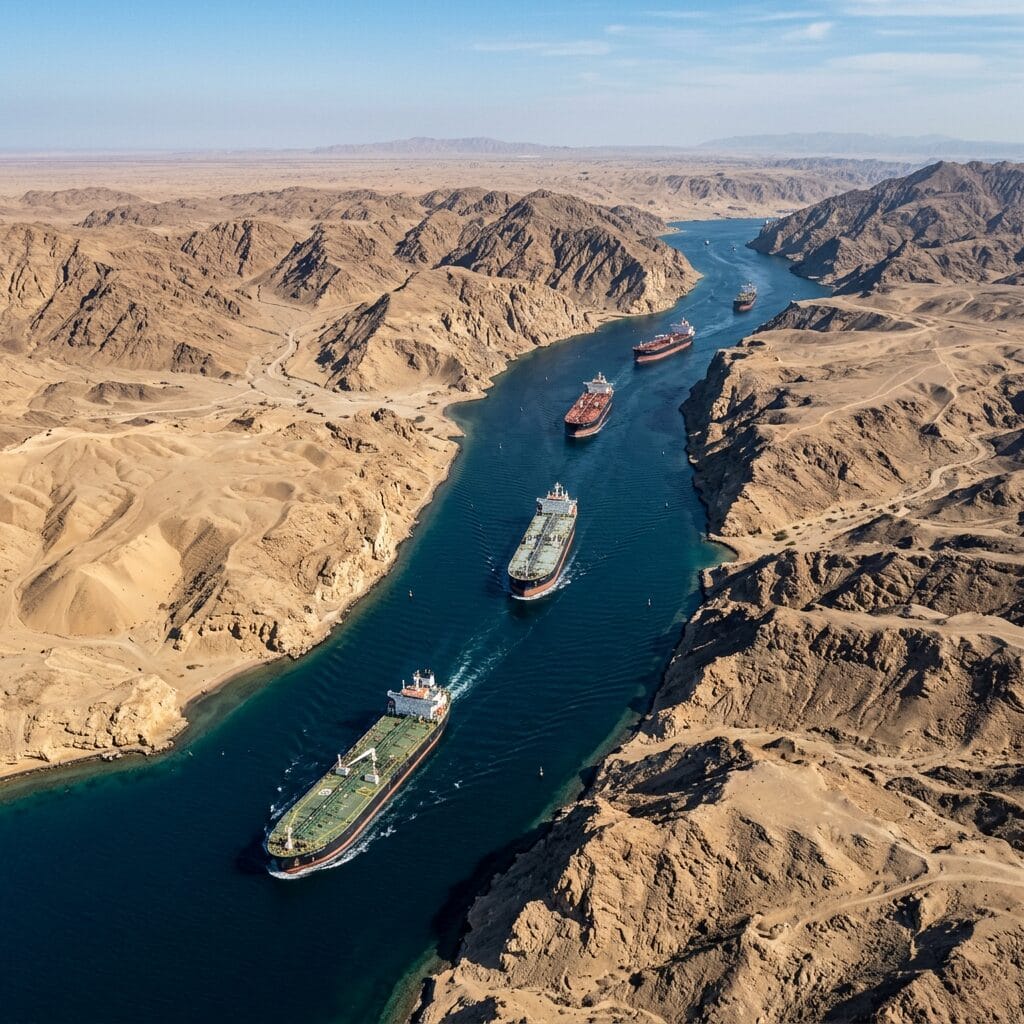
The world keeps talking about ceasefires, diplomacy, and gradual normalization. But the truth is much harsher.
If the Strait of Hormuz still is not fully open, then the crisis has not really ended. It has simply moved from missiles and headlines into shipping delays, supply fears, and energy panic. That is the real meaning of this moment. The war may have changed shape, but it is still squeezing the global economy by the throat.
A Chokepoint This Important Cannot Stay “Partially Open”
There are some places in the world too important for ambiguity.
Hormuz is one of them.
When a route carrying such an enormous share of global oil and gas is choked, “partial reopening” is not reassurance. It is danger in a more polite form. A waterway like this cannot be half-functional without the entire system around it starting to wobble. Energy markets feel it first. Shipping firms feel it next. Then manufacturers, governments, and households begin paying the bill.
That is why the issue is not technical. It is existential for the global economy.
Panic Is Now Part of the Supply Problem
One of the ugliest features of energy crises is that fear itself becomes a force multiplier.
Once governments, shipping operators, and traders begin doubting whether a vital route can function safely, they do not wait for full disaster to arrive. They start reacting early. They hold back. They reroute. They delay. They stockpile. They pay more to insure against worse outcomes. That behavior can create shortages, tighten supply, and push costs higher even before the physical disruption reaches its worst point.
So when leaders warn against panic, they are not speaking abstractly. Panic is already part of the market.
Europe Knows It Cannot Pretend This Is Distant
For European leaders, this is not some remote Gulf drama to observe from a safe distance.
A threatened Hormuz means economic stress that can hit fuel prices, industrial planning, inflation, and political confidence across the continent. It means another round of imported instability landing on economies already tired from repeated global shocks. It means governments trying to reassure the public while privately knowing that no serious economy can remain calm if one of the world’s key energy arteries stays constrained.
That is the cruel part of modern geopolitics. Countries far from the battlefield still end up living under its consequences.
TotalEnergies Said the Quiet Part Out Loud
Sometimes corporate executives say what governments prefer to soften.
That is what makes the warning from TotalEnergies so revealing. It cuts through the diplomatic language and says plainly what many already know: if this drags on for months, the world is not dealing with a temporary disruption. It is entering real scarcity. Not inconvenience. Not volatility. Scarcity.
That is a serious word.
Because scarcity changes behavior. It changes planning. It changes investment. It changes political stability. Once businesses start preparing for a world where a fifth of global oil and gas is not reliably accessible, the damage stops being speculative.
“Freedom of Navigation” Is Not Empty Diplomatic Language
People hear phrases like “freedom of navigation” and often tune out, as if it is just one more line from the international relations script.
It is not.
It means whether the modern global economy can still depend on open maritime corridors without coercion, tolls, seizures, or military intimidation. It means whether trade moves according to rules or according to whoever can create the most fear in the narrowest space. It means whether the world accepts that critical supply lines can be turned into bargaining chips whenever conflict erupts.
That is why reopening Hormuz is bigger than one region. It is a test of whether the basic machinery of global commerce still functions under law or under pressure.
The Longer This Lasts, the Worse the Damage Becomes
Short shocks hurt. Long shocks reshape the world.
That is the danger now. If the strait remains constrained for weeks and months, then the consequences harden. Companies redraw supply plans. Energy buyers make defensive decisions. Governments prepare emergency measures. Inflation risks deepen. The global economy begins adjusting not to a temporary crisis, but to a new layer of permanent instability.
That is much harder to reverse.
Because once fear gets built into the system, even a reopening does not instantly bring normality back. Confidence returns slower than disruption arrives.
This Is the Real Test of Whether the Crisis Is Ending
The easiest mistake right now is to believe that fewer explosions automatically mean peace is returning.
That is not the standard that matters.
The real standard is simpler: can the Strait of Hormuz function normally, safely, and freely again? If the answer is still no, then the crisis is still active in the most economically important sense. The world is still being held hostage by uncertainty in one narrow corridor.
And until that changes, every claim of stabilization should be treated with skepticism.
Because a half-open Hormuz does not mean the war is over.
It means the world is still paying for it.