

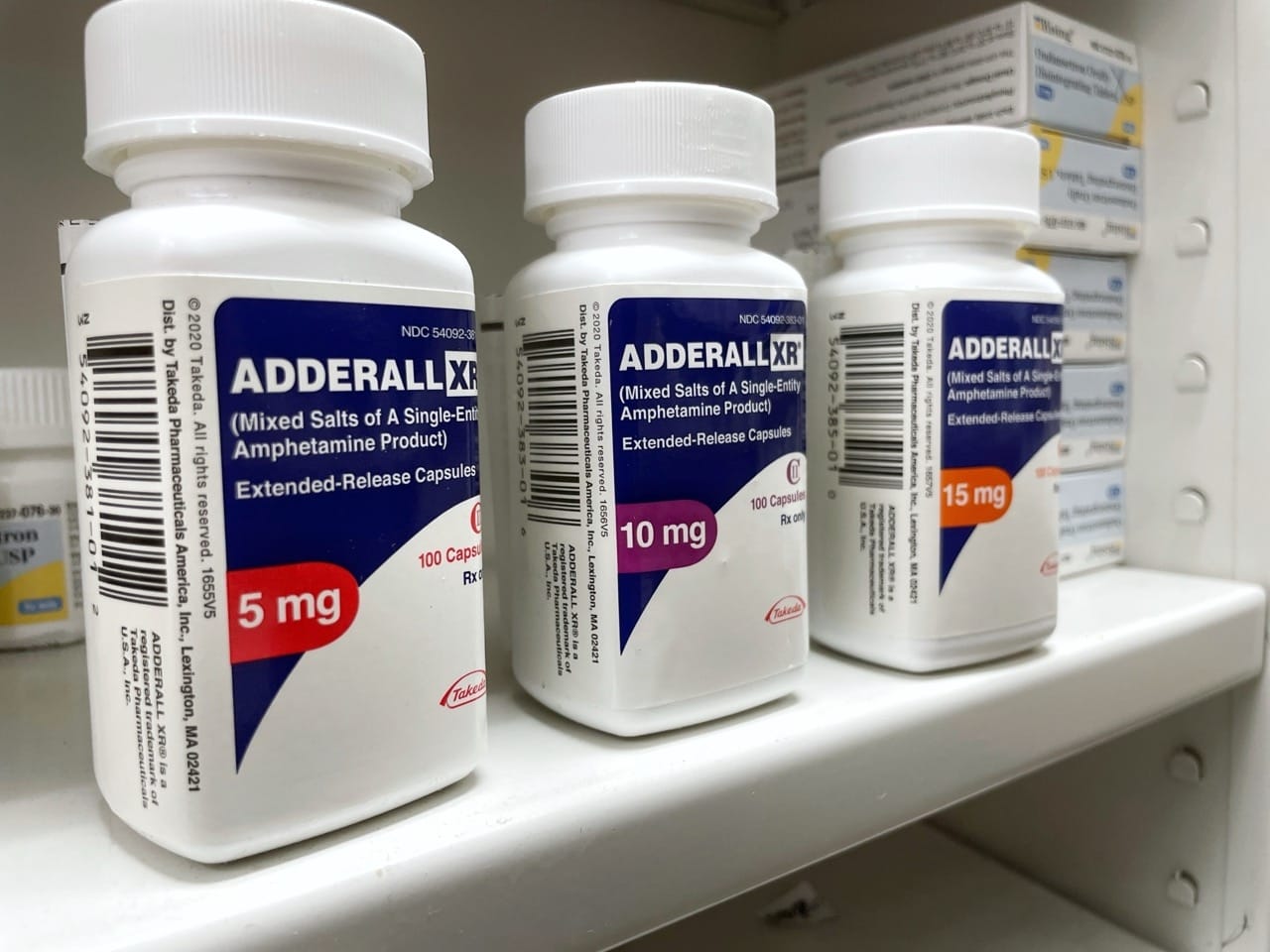
A growing thread in ADHD research suggests something counterintuitive about stimulant medications: they may help less by directly “repairing attention,” and more by shifting wakefulness and reward/motivation circuits—making the brain more alert, more engaged, and more willing to start (and keep doing) tasks.
That’s not a small nuance. It changes the story from attention as a broken spotlight to attention as an outcome of deeper systems like arousal, effort, and the perceived payoff of focusing.
Attention might be downstream, not the main switch
In day-to-day life, “paying attention” isn’t just staring harder. It’s a package deal:
- Wakefulness/alertness: the brain’s readiness to respond
- Salience: what feels important enough to notice
- Motivation/reward: whether effort feels worth it
- Persistence: staying with something when novelty wears off
If those upstream systems are underpowered, attention often collapses—not because you don’t care, but because your brain doesn’t reliably generate the “go” signal.
Why wakefulness and reward circuits matter
Stimulant medications are often described as affecting neurotransmitters tied to arousal and reward processing. In practical terms, that can look like:
- tasks feeling less painfully boring
- starting becoming less of a wall
- distractions feeling less magnetic
- effort feeling more doable
- follow-through becoming more consistent
So the improvement you feel as “better attention” may actually be the result of more energy + more motivation + clearer prioritization.
This reframes common ADHD experiences
It also explains why many people describe medication benefits in ways that don’t sound like “laser focus,” such as:
- “I can finally begin.”
- “I don’t dread everything.”
- “My brain feels awake.”
- “I can choose what to do instead of being yanked around.”
That’s not a contradiction. It’s consistent with the idea that stimulants may be tuning the systems that allow attention to happen.
What this does (and doesn’t) mean
This doesn’t mean ADHD is “just motivation,” or that attention isn’t real. It means attention may be emergent—a visible result of multiple underlying dials (arousal, reward, executive control) turning to a healthier range.
And it doesn’t mean medication is the only tool. Sleep, structured routines, behavioral strategies, therapy/coaching, and (for some) non-stimulant meds can target different parts of the same system.
A quick safety note
If you take ADHD medication, don’t change dose or stop based on a theory or a headline—talk with your prescriber. Research explanations evolve, but your treatment should stay grounded in your real-world response and safety.
The takeaway is simple: stimulants may work not by magically “installing attention,” but by helping the brain reach a state where attention is finally possible.