

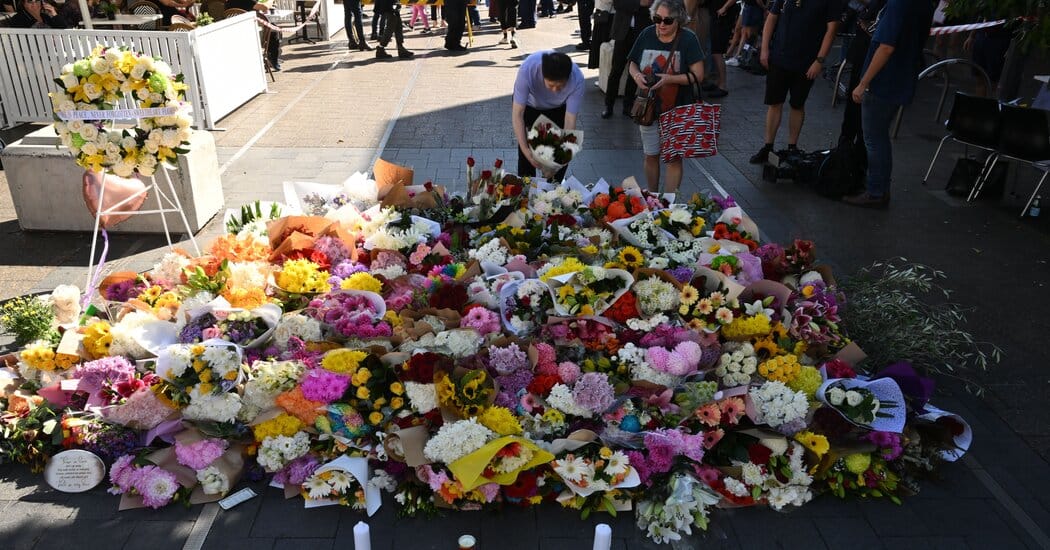
Australia is mourning after the mass shooting at Sydney’s Bondi Beach during a Hanukkah celebration—an attack that, according to reporting, has now claimed 16 lives. In a country that has long held up its firearm rules as among the strictest in the world, the tragedy has jolted the national conversation back to a painful question: how did this happen here, and what gaps still exist?
A national shock — and a familiar kind of grief
Bondi Beach is one of those places that feels bigger than a postcode. It’s daylight, families, tourists, a sense of safety baked into the scenery. That’s why an attack in that setting, at a community celebration, cuts so deeply—not only because of the death toll, but because of what it signals: that public spaces and cultural gatherings can be deliberately targeted.
Beyond the immediate loss, there’s the rippling fear that follows any act of mass violence—especially when it appears aimed at a particular community. For Jewish Australians, the attack has intensified a sense of vulnerability that many say has been growing for some time.
The government’s response: tighten what’s already strict
In the days after the shooting, the federal government and state leaders have moved quickly to signal that “business as usual” isn’t acceptable. The message is blunt: if legal systems allowed weapons to be obtained, stored, or kept in ways that can be exploited, those systems will be tightened.
While exact proposals vary in public discussion, the thrust of the response has centered on measures like:
- Stronger licensing checks (including deeper background screening and more consistent standards)
- More frequent license reviews and audits rather than long “set-and-forget” periods
- Limits on the number of firearms one person can own, particularly where stockpiling raises risk
- Tighter controls on storage and access, aimed at reducing the chance of misuse or rapid escalation
- Better information-sharing across jurisdictions, so warning signs don’t get trapped in paperwork or state lines
This is the kind of policy space Australia knows well: not an argument about “guns or no guns,” but about how tightly managed access should be, and how aggressively authorities should intervene when risk indicators appear.
The uncomfortable truth: “legal” isn’t the same as “safe”
One reason this moment is so politically combustible is that Australia’s gun framework is often seen as a success story—especially compared with countries where firearms are far more widespread. But strict laws don’t eliminate danger; they shift the battleground toward enforcement, monitoring, and the weak points that accumulate over time: inconsistent checks, outdated processes, and loopholes that don’t look like loopholes until the worst day arrives.
When governments say they’re “tightening” gun laws after a tragedy, what they often mean is tightening the systems around the law: eligibility, compliance, oversight, data, and accountability.
Security, social cohesion, and the risk of backlash
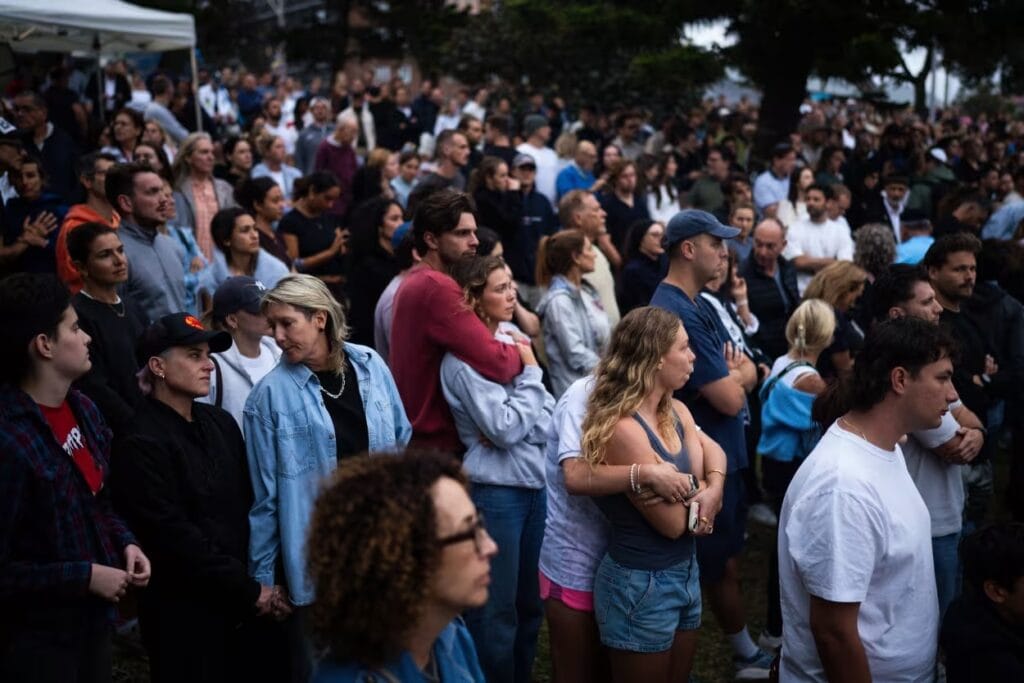
There’s another layer here that’s easy to miss if the conversation stays purely on firearms: the attack happened at a Jewish celebration. That means the response can’t just be about weapons—it also has to address community protection and social cohesion.
Expect to see:
- Increased security around community events and places of worship
- More political emphasis on tackling hate-driven violence
- A push for community leaders to be visible together—because one of the goals of terror is isolation
At the same time, leaders will need to keep the public conversation from sliding into broad suspicion or collective blame. A country can pursue stronger security without surrendering to paranoia—but it takes discipline.
What happens next
The immediate aftermath of a tragedy is when governments have the most political room to act. The harder part comes later: turning urgency into durable policy, getting states aligned, funding enforcement, and ensuring reforms don’t become symbolic gestures that fade when headlines move on.
If the death toll of 16 becomes the number Australia repeats for years, it won’t just be a statistic. It will be a yardstick—used to measure whether the country treated this as a one-off horror, or as a warning that demanded serious change.
For now, the focus is where it should be: on the victims, the injured, and a community grieving in public. And on whether Australia can strengthen its safeguards—without losing the openness that makes places like Bondi feel like home in the first place.

