

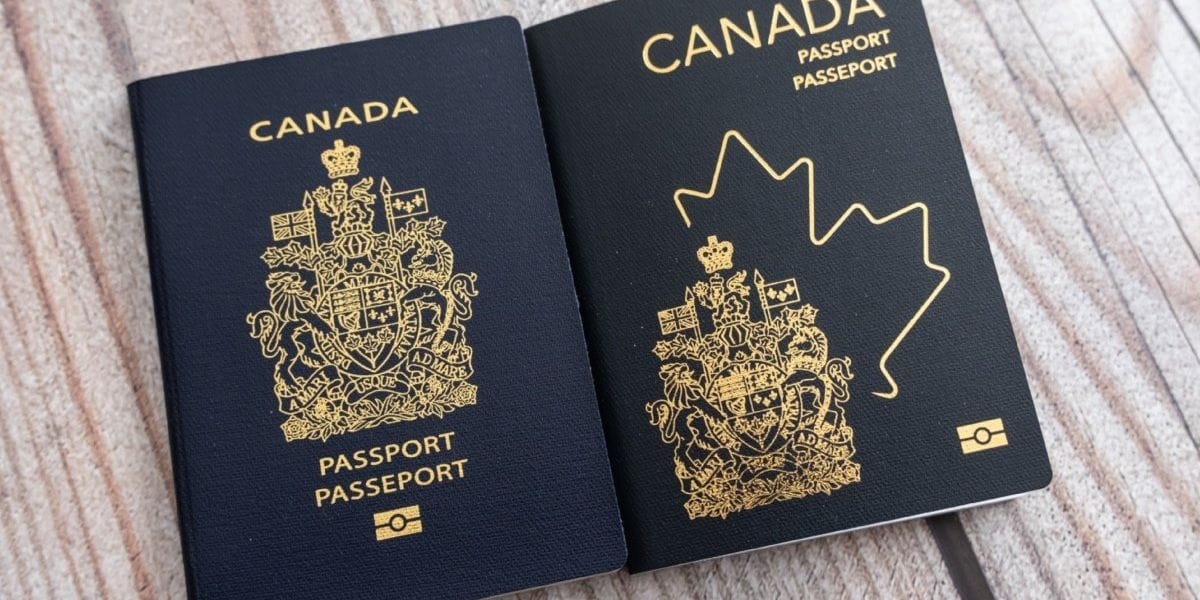
Canada has put Bill C-3, a law amending the Citizenship Act, into force—bringing changes to how citizenship by descent works. If you’ve ever heard someone say, “My parent is Canadian, but I’m not sure I qualify,” this is the kind of update that can move a lot of people from “maybe” to “yes,” or at least from “confusing” to “clearer.”
Here’s what’s at stake, what “citizenship by descent” actually means, and why this update matters.
First: what is “citizenship by descent”?
In plain terms, citizenship by descent is when you can be Canadian because your parent (or sometimes grandparent) is Canadian, even if you were born outside Canada.
Canada’s citizenship rules have long tried to balance two ideas:
- Citizenship as a connection to a person (your parent’s citizenship), and
- Citizenship as a connection to Canada (place of birth, residence, or ongoing ties).
Bill C-3 is part of Canada’s ongoing effort to fine-tune that balance—especially for families whose Canadian connection has been interrupted by technicalities or past legal cutoffs.
What changed with Bill C-3?
At a high level, Bill C-3 extends and reshapes eligibility rules for citizenship by descent, widening the circumstances in which people born abroad can claim Canadian citizenship through a Canadian parent.
When a law “extending citizenship by descent rules” comes into effect, it typically does a few important things:
1) It expands who can qualify
More people in the “my parent is Canadian” category may now be included—especially those who were previously excluded due to:
- The timing of their birth,
- How the parent’s citizenship was obtained, or
- Generational rules that limited how far citizenship could pass down automatically.
2) It addresses historic gaps
Citizenship law can leave behind weird, unfair edge cases—families that slipped through because of older statutes, administrative barriers, or rule changes that landed differently depending on the year. Bills like this often aim to correct those legacy problems by updating the legal framework and reducing “lost Canadian” scenarios.
3) It changes how families plan
When the rules shift, the practical implications are huge:
- Parents planning births abroad,
- Adults who’ve lived their whole lives outside Canada but identify as Canadian,
- People who need citizenship for work, travel, or family reunification.
Even small adjustments to the “descent” rules can affect thousands of real-life decisions.
Who should pay attention right now?
You might want to look into this (or encourage someone else to) if any of these sound familiar:
- You were born outside Canada and have a Canadian parent.
- Your Canadian parent was also born outside Canada (this is where generational limits often become relevant).
- Someone in your family has always said, “We should be Canadian, but paperwork says otherwise.”
- You previously checked eligibility years ago, got a “no,” and haven’t looked since.
- You’re Canadian and expecting a child abroad, or living abroad long-term and thinking about your kids’ status.
What “came into effect” really means
This isn’t just political theater or a bill that passed in theory. If it’s in effect, it means the change is active law—and the relevant government processes are expected to operate under the new rules.
That said, when major eligibility rules change, there’s often a period where:
- Application volumes spike,
- Processing times stretch,
- Guidance documents get updated,
- People discover they need additional proof documents (birth certificates, parent’s citizenship records, etc.).
So even when eligibility becomes broader, the path can still involve careful paperwork.
Practical next steps if you think you’re eligible
If you believe Bill C-3 might affect you, a sensible approach is:
- Gather proof of your parent’s Canadian citizenship (and how/when they obtained it).
- Gather your own birth documentation and any name-change documents.
- Map the family line clearly (who was born where, when, and under what status).
- Keep your story consistent across forms—citizenship files live and die on clean timelines.
If your case involves adoption, surrogacy, complex custody, or missing records, it’s worth being extra methodical, because those scenarios can add layers to proof requirements.
Why this matters beyond paperwork
Citizenship isn’t only a travel document. It’s a statement about belonging, rights, and identity. For families who’ve carried “Canadian” as part of their story—sometimes for generations—being recognized in law can feel like a correction as much as a status change.
With Bill C-3 now in effect, Canada is signaling that it’s willing to revisit the boundaries of citizenship by descent and bring more people back into the legal definition of “Canadian.”
For a lot of families, that’s not just administrative. It’s personal.

