



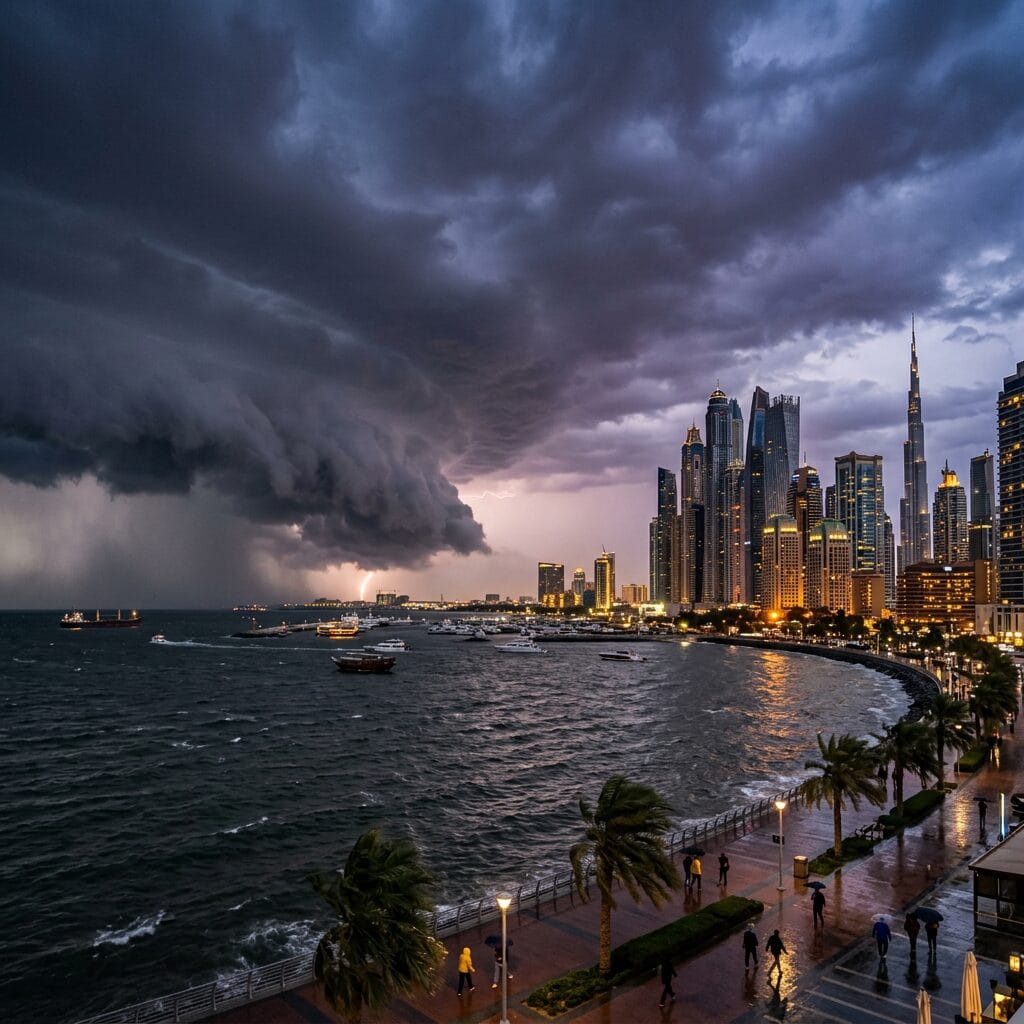
Sometimes the most revealing market move is not panic.
It is restraint.
When Gulf equities inch higher even as diplomacy around Iran remains stalled, the message is not that investors feel safe. It is that they are trying to price a region that has become disturbingly good at living beside danger. That may look like confidence on the surface. In truth, it often reflects something more fragile: adaptation to instability.
Markets Are Not Celebrating. They Are Coping.
A small rise in regional stocks during a tense geopolitical stretch does not mean fear has disappeared.
It means traders are learning to separate immediate catastrophe from ongoing pressure. That is a very different thing. Investors in the Gulf understand that the region’s political temperature can stay high for long periods without every trading day turning into a collapse. So they keep moving, cautiously, selectively, and with one eye always fixed on the next headline.
That is not peace of mind. It is survival logic.
The Real Story Is Not the Gain. It Is the Ceiling.
What matters in moments like this is not only that markets are green.
It is how limited the optimism remains.
When diplomacy is frozen and the broader conflict still hangs over trade, oil, inflation, and regional security, markets can drift upward without actually believing in resolution. The gains stay narrow. Defensive names matter. Profit-taking remains close. The mood never fully loosens. In other words, the market may be functioning, but it is not breathing freely.
That is the difference between resilience and relief.
The Gulf Has Learned to Trade Under Threat
There is a harder truth beneath all this.
The Gulf’s financial markets have spent years learning how to operate under recurring geopolitical stress. Tension with Iran, energy shocks, maritime fears, regional spillover, and great-power rivalry are no longer rare interruptions. They are part of the operating environment. That changes investor behavior.
When instability becomes familiar, the absence of fresh escalation can start to feel like good news, even when the deeper crisis remains unresolved.
That is a dangerous kind of normalization.
Oil Wealth Helps, but It Does Not Erase Risk
Energy-exporting economies often have more cushion than others when regional turmoil drives oil prices upward.
That cushion matters. It can support fiscal confidence, shore up sentiment, and soften the blow that would hit more vulnerable importers much harder. But it does not make these markets immune. Prolonged uncertainty still clouds investment, complicates planning, and keeps the region tied to a wider crisis it cannot simply price away forever.
High oil can buy time. It cannot buy normality.
Egypt’s Position Shows the Uneven Cost of Regional Instability
One reason this broader picture matters is that not every market in the region is carrying the same burden.
For wealthier Gulf exporters, tension can coexist with partial support from stronger energy revenues. For more fragile economies nearby, the same conflict can translate into higher import costs, inflation pressure, and weaker growth expectations. That split is important, because it shows how regional calm in equity screens can hide deeper economic stress underneath.
A market can look steady while the surrounding economy grows more strained.
This Is a Market Waiting, Not Believing
The temptation is to read these small gains as a vote of confidence in eventual diplomacy.
That may be too generous.
This looks more like a market waiting than a market believing. Waiting for talks to restart. Waiting for a clearer signal from Washington and Tehran. Waiting to see whether Lebanon worsens, whether shipping stabilizes, whether oil remains a tailwind or turns into a wider inflation problem. Until those questions are answered, every advance carries a shadow.
That shadow is distrust.
The Region Is Still Priced Around Unfinished Conflict
That may be the clearest way to understand the moment.
The war may no longer be producing the same shock every hour, but it is still present in the pricing of risk, the caution of investors, and the narrowness of optimism. Markets are not ignoring the conflict. They are absorbing it, day after day, into a colder kind of realism.
And realism can look calm right up until it breaks.
The Meaning of the Moment
Gulf equities nudging higher is not a sign that the region has moved past the Iran crisis.
It is a sign that investors are trying to function inside it.
That distinction matters. Because a market that stays upright during stalled diplomacy is not necessarily confident. It may simply be conditioned. And conditioning to instability is one of the most misleading forms of calm a region can display.


