

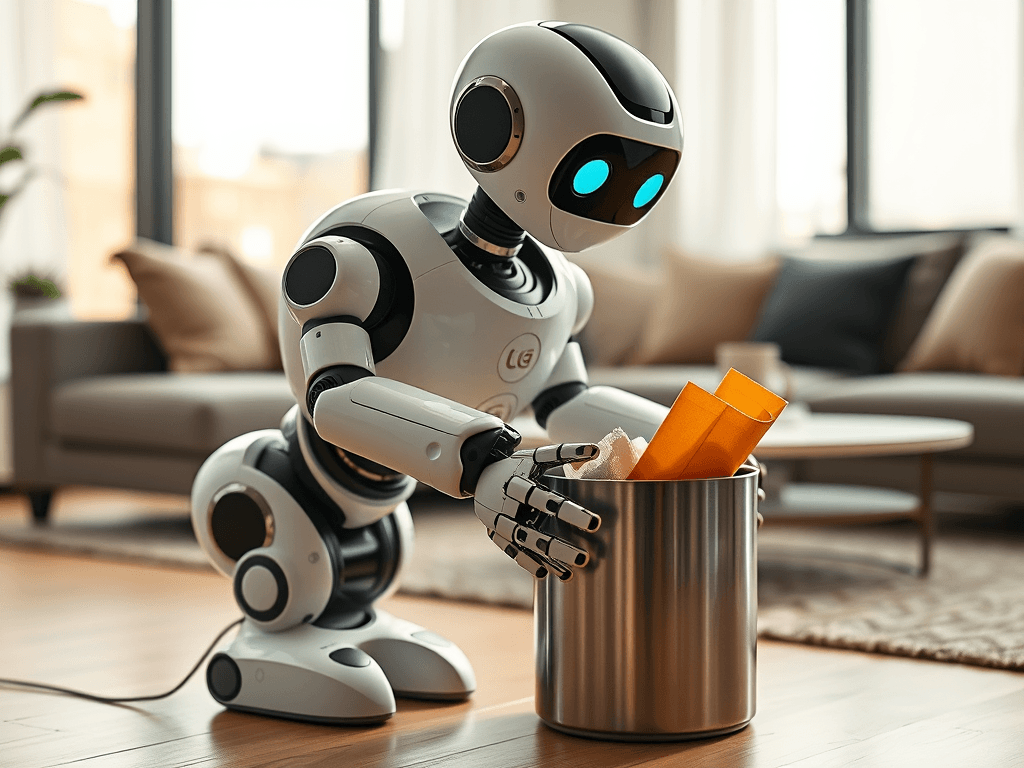
LG is teasing a new home robot called CLOiD ahead of CES 2026, and the headline feature is the one that actually matters: articulated arms and hands, aimed at real household chores.
That might sound like a small detail, but it’s the difference between “a cute rolling gadget” and a machine that can genuinely help. A home robot without hands is basically a mobile speaker with aspirations. Hands are what turn movement into usefulness—picking up, carrying, pressing, opening, wiping, sorting. In other words: the messy, everyday interactions that make a home a home.
Why arms/hands are the big leap
Most “home robots” so far have lived in narrow lanes:
- vacuums that clean floors
- mowers that cut grass
- cameras on wheels that patrol
- voice assistants that talk, but don’t do
Arms and hands push toward a broader promise: general-purpose assistance. Even basic tasks—moving clutter off a table, placing items in a bin, fetching lightweight objects—would feel like a breakthrough if it’s reliable.
The real challenge isn’t the hardware
The hard part is the “boring” stuff:
- Can it recognize objects in messy rooms and different lighting?
- Can it grip without breaking things—or dropping them?
- Can it work safely around kids, pets, and humans?
- Can it learn your home layout without turning setup into a project?
A robot that’s 90% capable is still frustrating if the last 10% is “it occasionally knocks over your mug.”
What CLOiD represents
Even as a preview, CLOiD signals where the industry is heading: away from novelty and toward practical robotics that can handle simple chores. If LG can pair solid manipulation with dependable software and safety, this could be a meaningful step toward the long-promised “robot helper” that’s more than a demo reel.
CES teasers are always optimistic. But hands are a serious bet—and a serious clue that home robotics is trying to grow up.