


Introduction: From Buying Clothes to Curating a Legacy
Building a wardrobe archive isn’t about fashion elitism — it’s about intentional living.
Instead of owning 200 trend pieces that lose relevance in a year, you curate 30 that carry memory, craft, and longevity.
Think of it as creating your personal museum of style — where every garment is a chapter of your life story.



Step 1: Find Your Core Identity
Before you buy or keep anything, ask yourself:
“What do I want my wardrobe to say about me?”
A personal archive should reflect you, not the latest lookbook.
Questions to Ask Yourself:
- What silhouettes make me feel most confident?
- Which colors or textures do I naturally reach for?
- What do my favorite past outfits have in common?
- Which items make me feel powerful, comfortable, or grounded?
Your archive begins when you understand your aesthetic DNA — not when you spend money.



Step 2: Audit What You Already Own
The best archives often start in your existing closet.
- Take everything out.
- Create three piles: Keep, Maybe, Let Go.
- In the Keep pile, include only what you truly wear and love.
- Store or donate what doesn’t serve your identity or comfort.
This process isn’t about minimalism — it’s about meaning. You’re separating “noise” from “narrative.”

Step 3: Define Your “Archive Staples”
Every personal wardrobe archive has anchor pieces — garments that express timelessness.
| Category | Example | Why It Matters |
|---|---|---|
| Outerwear | Trench coat, leather jacket, structured blazer | Defines silhouette, lasts decades |
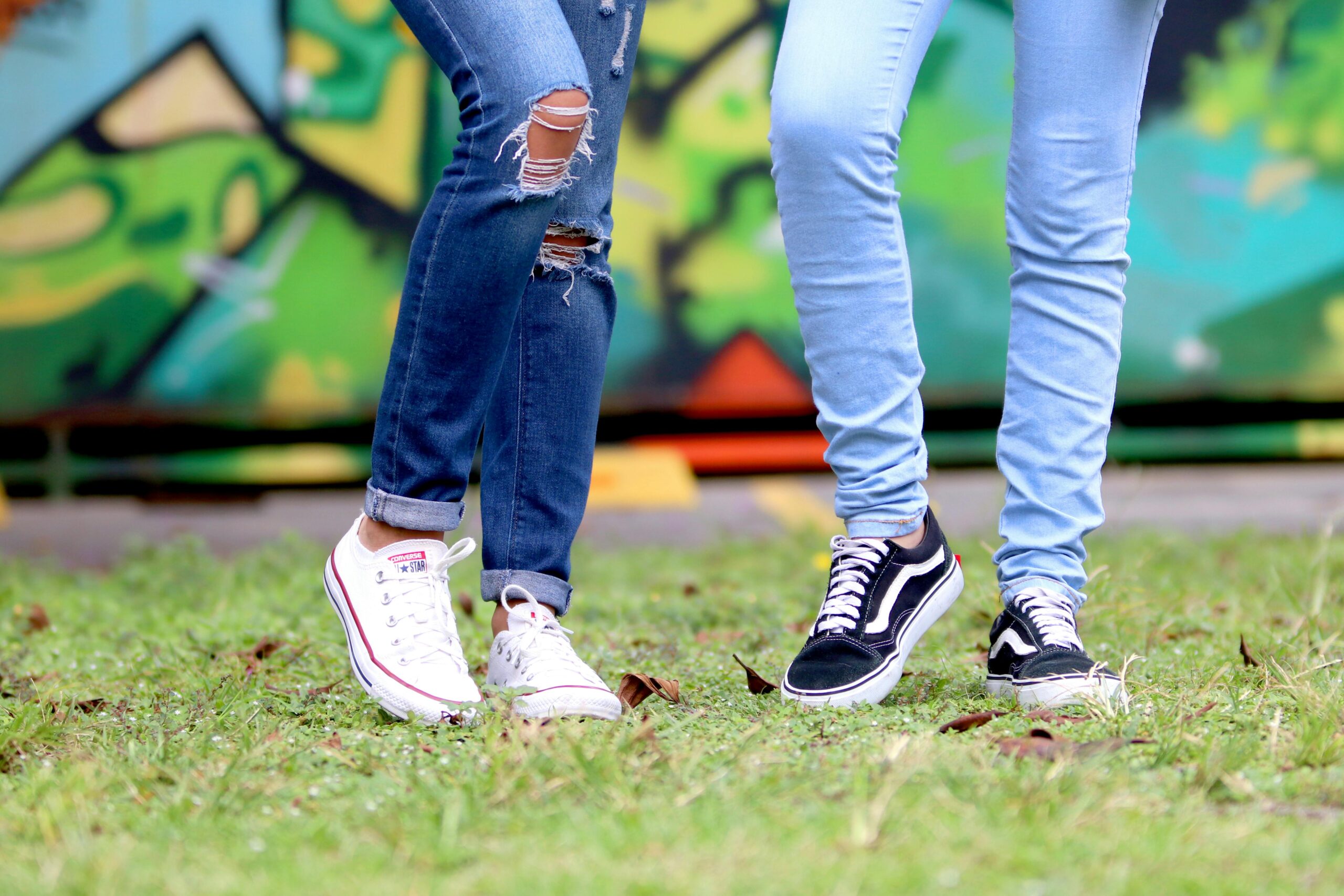
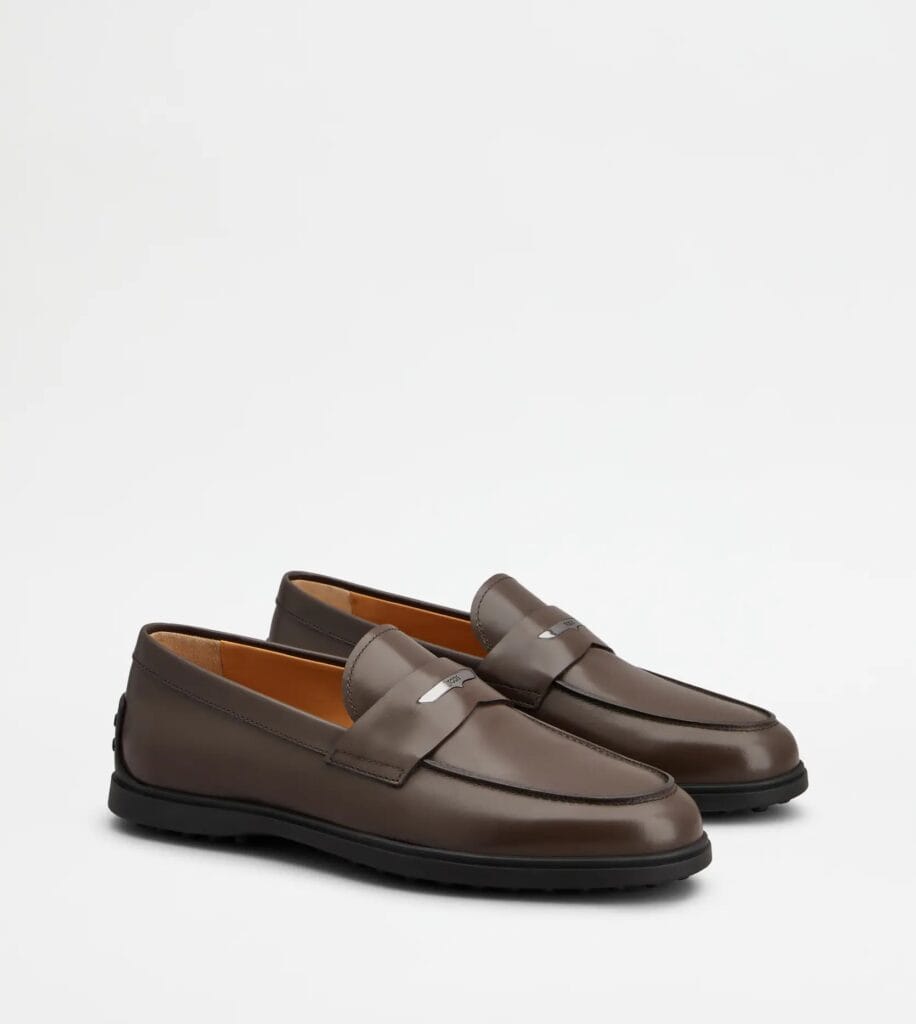
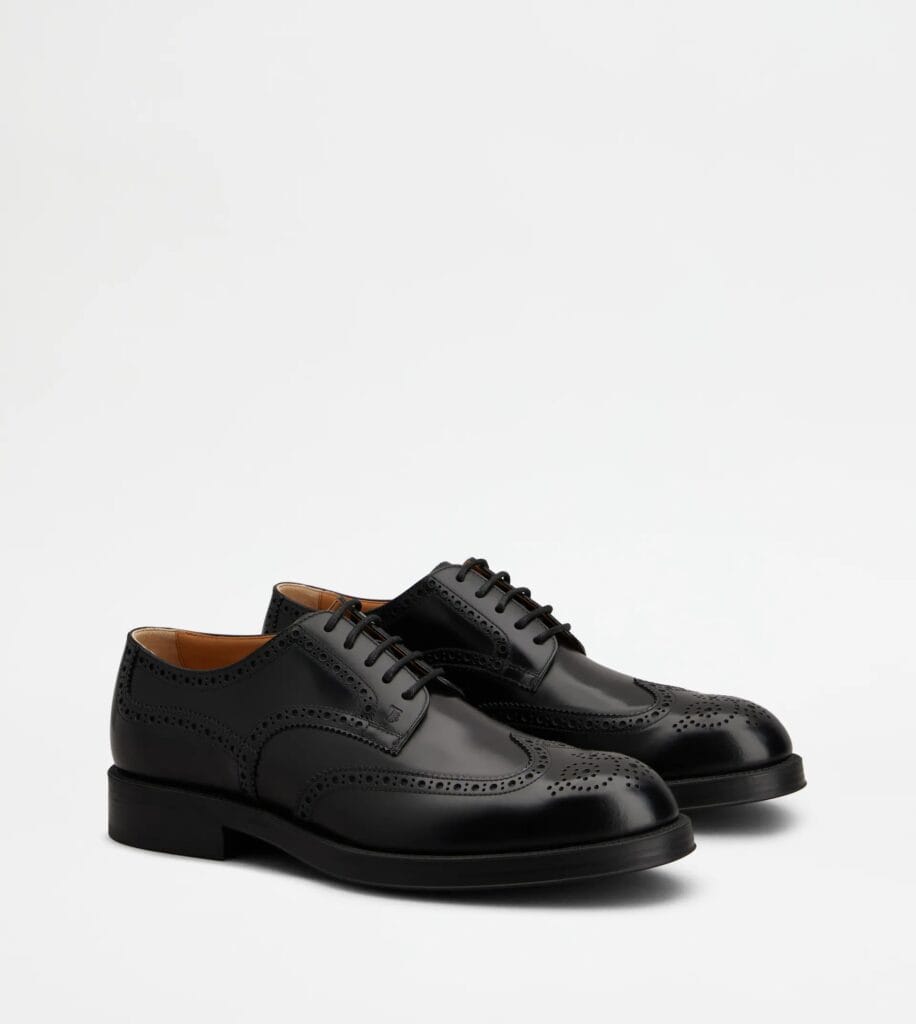
| Footwear | Loafers, ankle boots, white sneakers | Functional and easy to restyle |
| Accessories | Statement bag, silk scarf, watch | Adds personal signature |
| Everyday Uniform | Crisp white shirt, dark trousers, denim | Foundation for consistency |
| Statement Piece | Vintage designer jacket, custom jewelry | Expresses individuality |
Your staples should feel both classic and personal. They don’t need to be expensive — they just need to endure.
Step 4: Learn to Identify Quality
Fast fashion hides flaws behind aesthetics. Archival fashion reveals its worth through construction and material.
How to Spot Quality:
- Fabric: Look for natural fibers — wool, cotton, silk, linen, genuine leather.
- Seams & Stitching: Tight, even stitching signals longevity.
- Lining: Fully lined jackets or skirts suggest craftsmanship.
- Weight: Quality fabric often has a noticeable heft.
- Feel: If it feels luxurious, it probably is.
Step 5: Buy Less, Choose Better
Wardrobe archiving isn’t about buying more luxury — it’s about buying with intention.
Where to Shop:
- Vintage Stores: Hunt for pieces from iconic designers such as Vivienne Westwood, Margiela, or Dior.
- Resale Platforms: Explore The RealReal, Vestiaire Collective, or Depop for verified archival finds.
- Local Artisans: Support tailors, leatherworkers, and small ateliers — craftsmanship with soul.
- Investment Brands: Look to The Row, Bottega Veneta, Loro Piana, and COS Atelier for timeless minimalism.
Tip: Prioritize fit and fabric over brand name. True archiving values design, not logos.
Step 6: Maintain, Mend, and Preserve
Archiving is not passive — it’s stewardship.
Your pieces will age beautifully if you care for them.
Maintenance Rituals:
- Use cedar or lavender to protect natural fibers.
- Store leather and wool in breathable garment bags.
- Rotate wear to prevent strain on seams.
- Learn basic hand stitching — or find a good tailor.
- Photograph and catalog your pieces using wardrobe management apps.
Step 7: Document and Evolve
Your wardrobe archive should grow with you.
Document what each item means — when you bought it, where it came from, or the memory it holds.
Over time, this becomes more than a closet. It becomes a personal timeline — your visual autobiography.
Bonus: The Emotional Benefits of Archiving
Fashion psychologists note that wardrobe archiving:
- Reduces decision fatigue (less clutter, more coherence).
- Strengthens identity (you know what represents you).
- Encourages mindfulness (buying intentionally, not impulsively).
- Builds emotional connection with possessions.
This is slow fashion as self-care — each piece becomes part of your emotional ecosystem.
The Beginner’s Wardrobe Archive Checklist
| Step | Goal | Quick Tip |
|---|---|---|
| 1 | Define your identity | Create a Pinterest board or mood folder |
| 2 | Audit your wardrobe | Keep only what aligns with your core style |
| 3 | Identify staples | Outerwear, footwear, accessories |
| 4 | Learn quality | Study fabrics and stitching |
| 5 | Buy selectively | Focus on timeless design, not trends |
| 6 | Maintain regularly | Store properly and mend quickly |
| 7 | Document evolution | Photograph and reflect |