

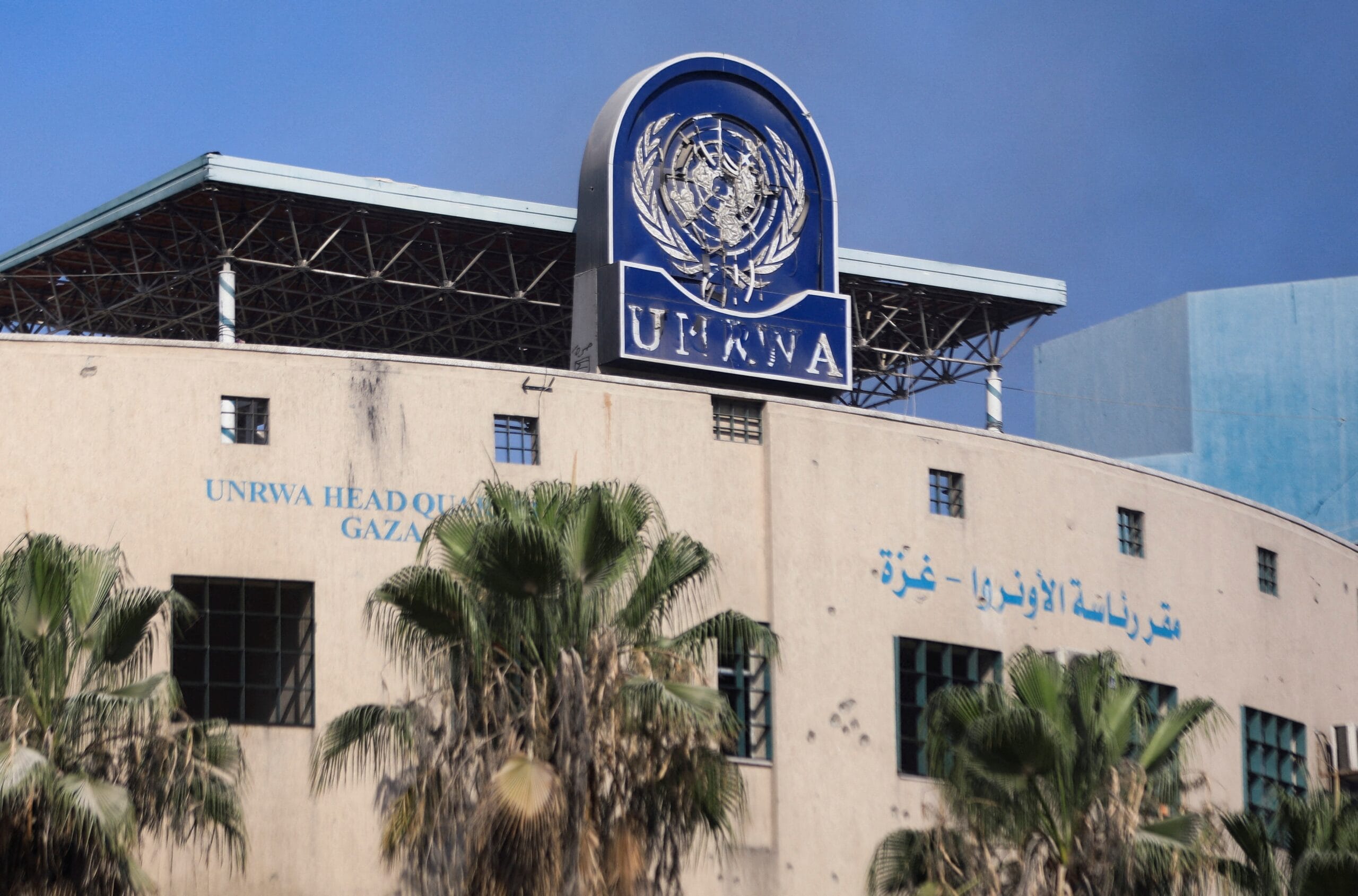
The UN Secretary-General has condemned an Israeli law that would block electricity and water to UNRWA facilities—a sharp escalation in a conflict that’s increasingly spilling from the battlefield into the humanitarian system itself.
This isn’t a symbolic dispute. Electricity and water are the basic operating conditions for any aid organization: clinics need power to store medicine, schools need water to function, offices need communications and sanitation to stay open. When utilities are cut, humanitarian work doesn’t “slow down” — it breaks down.
Why the UN is reacting so strongly
UNRWA isn’t just another NGO. It’s part of the UN system and, for millions of people, a core provider of day-to-day services. When a state moves to restrict essential utilities to UN facilities, the UN reads it as more than a policy choice — it reads it as an attack on the UN’s ability to operate safely and independently.
And once you normalize cutting off power and water to humanitarian sites, the precedent spreads: any conflict can start turning aid into leverage.
What this means on the ground
The practical consequences are immediate and blunt:
- Medical care becomes harder (lighting, refrigeration, equipment, sanitation)
- Water access tightens in already-stressed environments
- Staff and civilians face higher risk as facilities become less functional and more chaotic
- Aid coordination suffers when operational hubs lose basic services
Even if exemptions exist on paper, uncertainty alone can disrupt operations: suppliers hesitate, staff plan for shutdowns, and services become uneven.
The bigger picture: a widening legitimacy battle
This is also about narrative control. When institutions like UNRWA become the target of laws rather than debates, the fight shifts from what aid is doing to whether aid is allowed to exist in the first place. That’s a dangerous direction for any crisis zone, because civilians pay the price long before politicians do.
What to watch next
- Whether the law is implemented fully or partially, and how quickly
- Any carve-outs or workarounds that emerge in practice
- How the UN and donor countries respond operationally (not just rhetorically)
- Whether other humanitarian organizations face similar pressure points
Bottom line: cutting electricity and water to UNRWA facilities isn’t just a bureaucratic dispute. It’s a signal that humanitarian infrastructure itself is becoming a front line — and once that happens, the distance between politics and human suffering gets very short.