

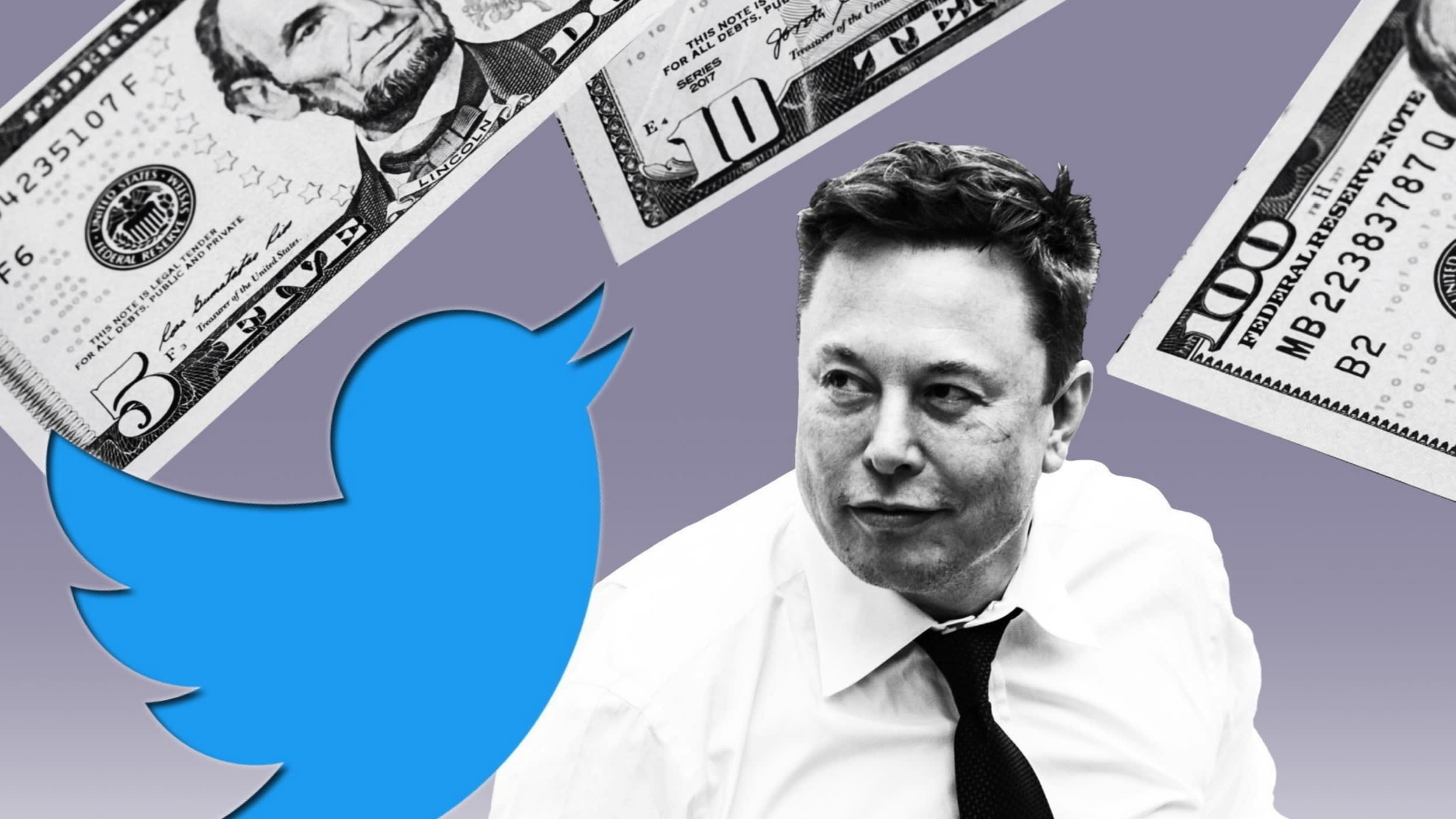
A single court ruling can reshape more than a headline—it can reset incentives, corporate governance debates, and investor expectations in one stroke. In the latest twist of the Elon Musk–Tesla saga, a ruling reportedly reinstated stock options tied to Musk’s 2018 compensation package, pushing his net worth past a symbolic threshold: becoming the first person valued at more than $700 billion.
That number is staggering, but the story underneath it is even more revealing.
Why this ruling matters
Musk’s compensation at Tesla has long been a lightning rod because it sits at the intersection of performance, shareholder approval, and the boundaries of board oversight. When a court steps in—whether to invalidate or reinstate a package—it’s not just about Musk getting paid. It’s about whether a company’s processes around executive compensation are viewed as robust, fair, and properly governed.
In practical terms, reinstating a large options award can:
- Reaffirm a performance-driven narrative (if tied to milestones),
- Signal legal or procedural validation of how the package was approved,
- Reignite questions about board independence and shareholder protections.
The wealth number is real—but also fragile
Net worth at this scale is mostly a reflection of equity value and option economics, not a vault of cash. It rises and falls with market sentiment, Tesla’s stock price, and assumptions about future growth. A legal decision that restores options can materially change how markets perceive Musk’s alignment with Tesla’s long-term trajectory—and how much leverage he retains over it.
Still, it’s worth remembering: the “first to $700B” label is as much a snapshot as it is a milestone.
What it says about Tesla’s governance era
Tesla is unusual among mega-cap companies because the CEO’s identity and influence are inseparable from the brand. That can be an advantage—vision, speed, narrative gravity—but it also creates governance tension: how do boards effectively oversee founders who are both indispensable and controversial?
This ruling, by putting the 2018 package back on the table, effectively reopens that tension. Supporters see it as rewarding outsized results. Critics see it as a test of accountability, checks and balances, and whether “founder exceptionalism” has limits.
What to watch next
- How Tesla’s board responds publicly and whether the company adjusts governance practices going forward.
- Shareholder sentiment—especially among institutions sensitive to executive pay optics.
- Musk’s strategic leverage: reinstated options can influence everything from leadership stability to future capital decisions.
In the end, the headline isn’t only about personal wealth. It’s about power: how it’s earned, how it’s governed, and how a court ruling can recalibrate the relationship between a company, its CEO, and its shareholders overnight.