

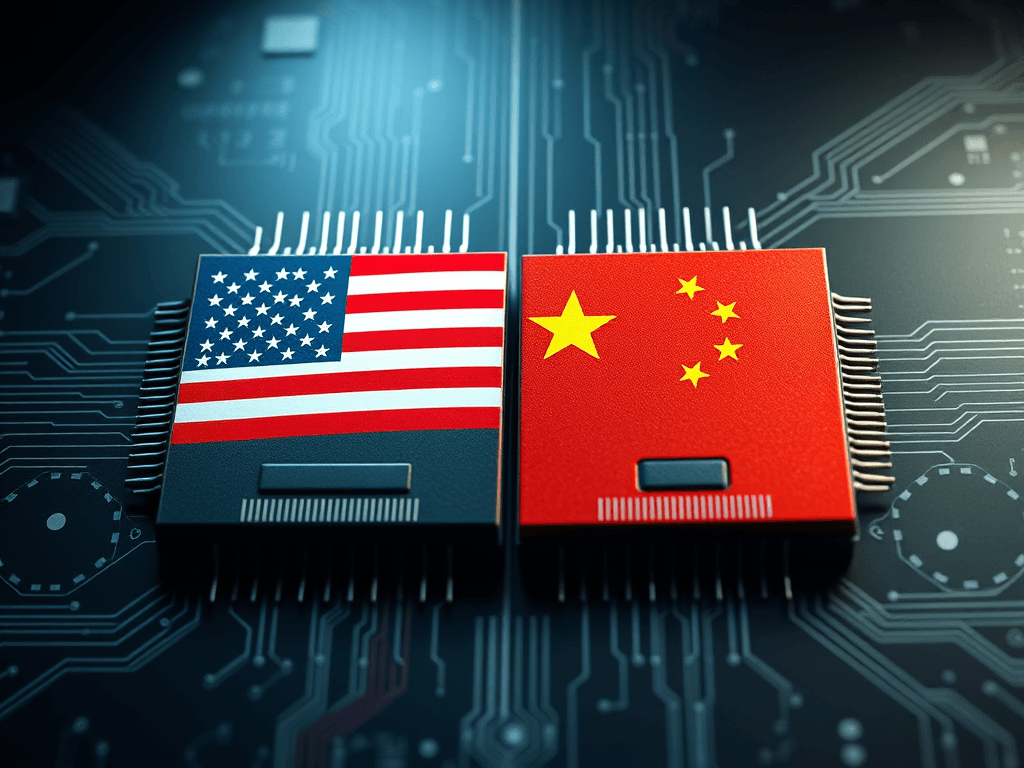
The U.S. has announced planned tariffs on Chinese semiconductors—but in a move that matters just as much as the tariff itself, it delayed the key announcement/implementation timeline out to 2027.
That’s the policy equivalent of saying: We’re serious… but not in a way that breaks everything tomorrow.
Why delay a chip tariff?
Semiconductors aren’t like steel or soybeans. They’re the tiny, irreplaceable parts inside the entire modern economy—phones, cars, servers, telecom gear, factory equipment, and a lot of defense hardware. The U.S. can’t simply snap its fingers and replace every chip pathway overnight.
A delay buys time for three things:
- Supply-chain adaptation: companies can redesign products, switch suppliers, and qualify alternatives.
- Domestic and allied capacity: more runway for fabs and packaging capacity outside China to ramp.
- Political and economic cushioning: less immediate inflationary pressure and less disruption for U.S. manufacturers who still rely on China-linked components.
What it signals strategically
This isn’t just trade policy; it’s industrial strategy. The message is: the U.S. intends to keep tightening tech dependency, but it wants to do it in a way that doesn’t boomerang onto its own companies.
It’s also leverage. A 2027 horizon keeps the threat credible while leaving room for negotiation, exemptions, or a reshaping of the policy depending on geopolitics and industry readiness.
Who moves now?
The delay doesn’t mean “relax.” It means “reposition.”
- Chip buyers will likely accelerate supplier diversification and redesign timelines.
- Chinese firms may push harder to find non-U.S. markets and strengthen domestic demand.
- Allied manufacturers could see new opportunities—if they can scale fast enough.
Bottom line: the tariff plan is a warning shot, but the extended runway suggests the U.S. is preparing for a longer contest—one where the real goal isn’t a one-time price hit, but a structural shift in who makes what, where, and for whom.

