


A New Fashion Mindset
Forget “what’s in” this season. The most stylish people of 2025 aren’t chasing trends — they’re curating archives.
Wardrobe Archiving is a growing movement built on a simple idea: instead of constantly buying new pieces, you collect timeless garments that express who you are — and wear them for years, even decades.
It’s less about consumption and more about connection. Every piece tells a story, becomes a personal heirloom, and defines your visual identity in a way fast fashion never could.


What “Wardrobe Archiving” Really Means
Unlike capsule wardrobes (which emphasize minimalism), wardrobe archiving emphasizes meaning and longevity.
It’s about building a personal fashion library — a collection of items that reflect your evolution, taste, and values.
Think of it as fashion’s version of slow art collecting.
Key Characteristics:
- Timelessness over novelty — style that transcends trends.
- Personal narrative — every piece has a memory or emotional link.
- Craftsmanship focus — materials and tailoring built to last decades.
- Selective investment — fewer items, but higher value.
The Philosophy: Transcending Seasons
Wardrobe archiving is anti-seasonal. It rejects the churn of “Spring/Summer” and “Fall/Winter” cycles that dominate retail calendars.
Instead, it asks:
“What if you built a wardrobe that looked good in any season — and any year?”
This approach reflects a deeper cultural fatigue with disposability. As consumers become more environmentally and emotionally conscious, fashion is shifting from temporary trends to lasting aesthetics.
Why It’s Growing:
- Sustainability concerns — fast fashion’s environmental impact is impossible to ignore.
- Digital individuality — social media rewards distinctive, consistent style.
- Post-pandemic reflection — people want meaning, not excess.
- Investment logic — high-quality pieces cost more upfront but last longer and hold resale value.
Key Pieces of a Personal Archive
| Category | Examples | Why It Lasts |
|---|---|---|
| Outerwear | Vintage leather jacket, Burberry trench, tailored blazer | Structural and iconic |
| Bags & Accessories | Bottega Veneta intrecciato bag, Hermès scarf, minimalist gold jewelry | Durable materials, timeless design |
| Footwear | Loafers, classic sneakers, ankle boots | Versatile for decades |
| Statement Pieces | Vivienne Westwood corset, Margiela deconstructed coat | Express identity beyond trend |
| Basics with Character | Crisp white shirt, well-cut trousers, selvedge denim | Foundation for every look |
How to Build Your Own Archive
- Start with what you already own.
Identify pieces that you’ve worn for years and still love — those form your “core archive.” - Buy less, choose better.
Invest in quality fabrics (wool, silk, leather, linen) and craftsmanship. - Mix eras and designers.
Pair vintage finds with modern tailoring — fashion history becomes part of your style DNA. - Document your pieces.
Photograph, catalog, or note where each piece came from. Think of it as personal fashion archaeology. - Repair, don’t replace.
Tailors and cobblers are your allies. Every repair adds life and character.
The Psychology Behind the Movement
Wardrobe archiving is partly a reaction to identity fatigue.
Constant trend-chasing exhausts creativity — it makes everyone look the same.
In contrast, a personal archive offers stability and self-expression. You know your colors, your cuts, your textures. You wear meaning — not marketing.
Sociologists link this to the rise of fashion self-actualization — dressing not to impress others, but to inhabit one’s authentic self.
Designers and Houses Embracing the Archive Era
Many luxury and independent designers are already echoing this ethos:
- Vivienne Westwood — sustainability through rebellious longevity.
- Bottega Veneta — no logo, timeless design.
- The Row — minimal, architectural silhouettes meant to endure.
- Maison Margiela — celebrates deconstruction and repurposing.
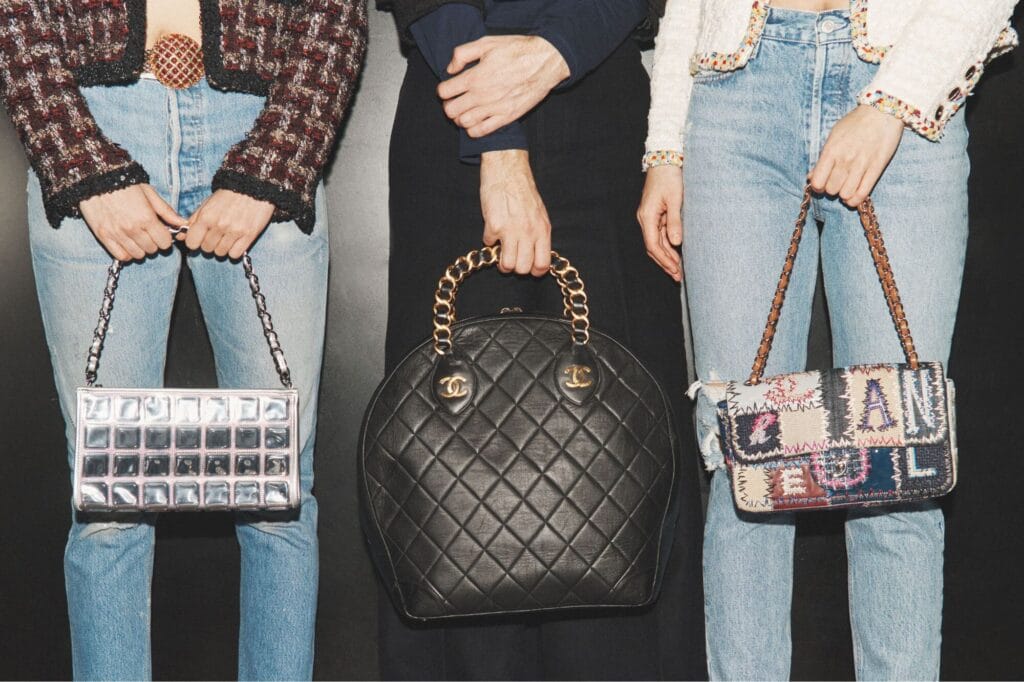
- Chanel — revisiting archival tweeds and silhouettes instead of constant reinvention.
Resale platforms like Vestiaire Collective, The RealReal, and Depop have also normalized collecting archival pieces — turning vintage fashion into a form of cultural investment.
Why It’s Not Just a Fashion Trend — But a Cultural Shift
Wardrobe archiving speaks to a generational mood:
we’ve entered an era where authenticity outshines novelty.
It’s fashion’s version of mindfulness — less dopamine, more devotion.
Each garment becomes an anchor, grounding you in who you are.
In a world obsessed with speed, this movement whispers:
“Slow down. Wear what lasts.”

