

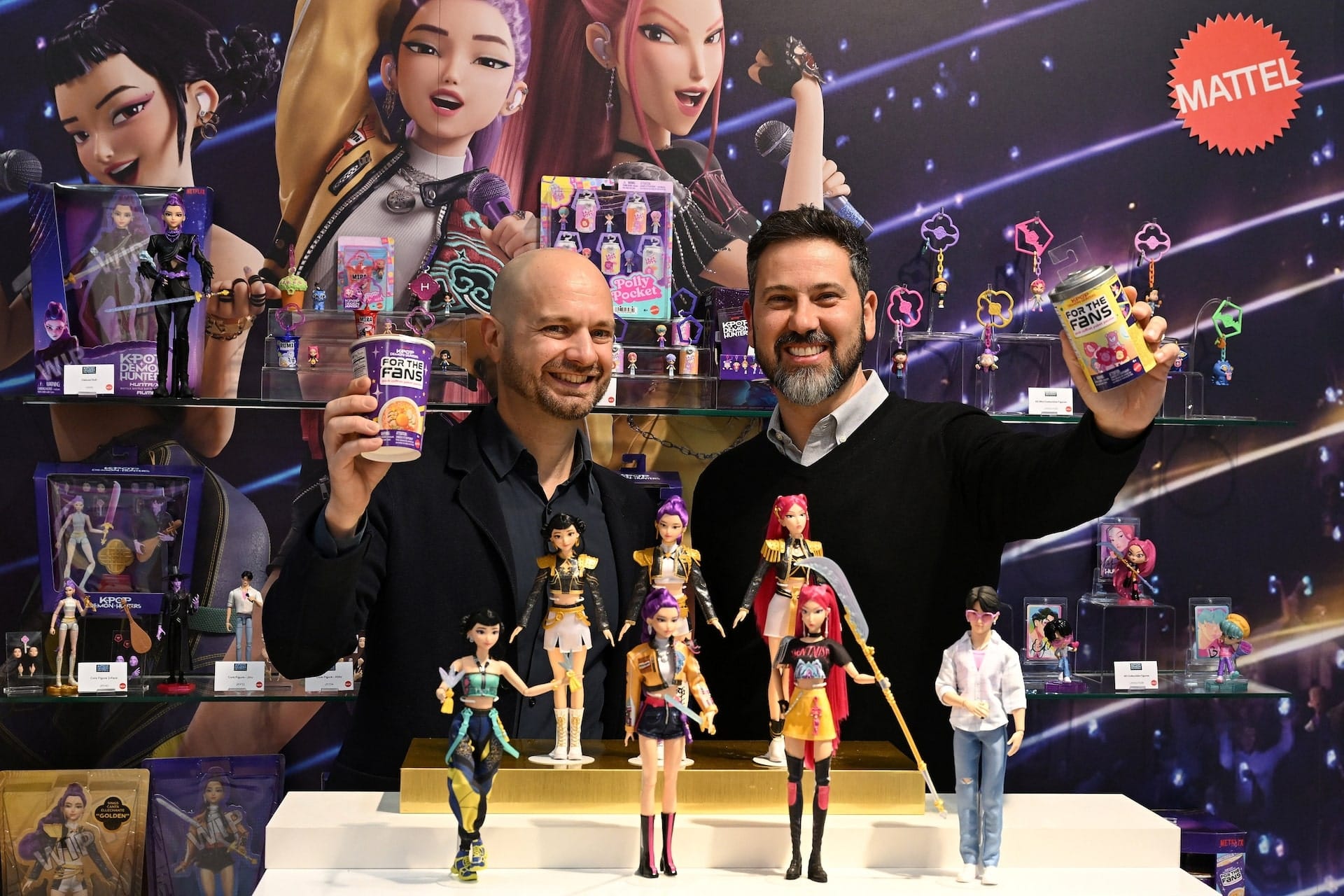
Mattel is leaning hard into franchise-building again, unveiling a new line of “KPop Demon Hunters” dolls designed to extend the life of the brand and keep it moving beyond a single pop-culture moment.
The strategy is familiar but sharpened for 2026: if audiences latch onto a story world, you don’t just sell a product — you build an ecosystem.
Why this launch matters
Toy companies aren’t just toy companies anymore. They’re intellectual-property machines. Mattel’s recent playbook has been clear: create and expand brands that can travel across:
- toys
- streaming/film
- music and live events
- games and digital experiences
- fashion collaborations
- social media fandom cycles
“KPop Demon Hunters” fits that modern formula perfectly: a mashup concept built for global attention—music identity plus action fantasy—packaged in a way that can be merchandised across multiple platforms.
The “franchise longevity” goal: keep the story alive between cycles
The hardest part of entertainment-backed toys isn’t launching — it’s staying relevant after the first wave. Dolls are one of the most effective ways to keep a franchise visible because they turn characters into collectibles, and collectibles into community.
That creates:
- repeat purchases (new outfits, new characters, variants)
- fan-driven sharing and unboxing culture
- demand for sequels, spin-offs, and expanded lore
- a steady physical presence on shelves even when content isn’t airing
In short: dolls are not just merchandise. They’re franchise infrastructure.
Why K-pop themes are a smart global lever
K-pop has one of the most organized fan economies in the world — built around:
- identity
- aesthetics
- choreography and performance
- collectible culture
- online community activation
A product that taps that energy can travel faster internationally than a purely U.S.-centric concept. The fandom mechanics are already trained: limited editions, collect-them-all behavior, and high social sharing.
What success would look like
For Mattel, the win is not “sell out one wave.” It’s:
- sustained demand across multiple product drops
- character expansion and series refreshes
- collaborations and limited runs
- steady presence in pop culture feeds
- enough traction to justify bigger content investments
If “KPop Demon Hunters” becomes a repeatable brand, Mattel gets another self-reinforcing engine — the kind that doesn’t just ride trends, but manufactures them.
Bottom line
Mattel’s new “KPop Demon Hunters” dolls aren’t a one-off novelty — they’re a franchise bet. In today’s toy business, the product is only the first layer. The real goal is to lock in a story world that fans return to, collect, and keep alive long after the initial hype fades.