


Artificial intelligence is changing the world faster than almost any technology before it.
Every week, companies announce smarter AI models, faster computer chips, and new tools that promise to transform the way we work, learn, and communicate. It often feels like AI exists only in the digital world.
But there is something many people never see.
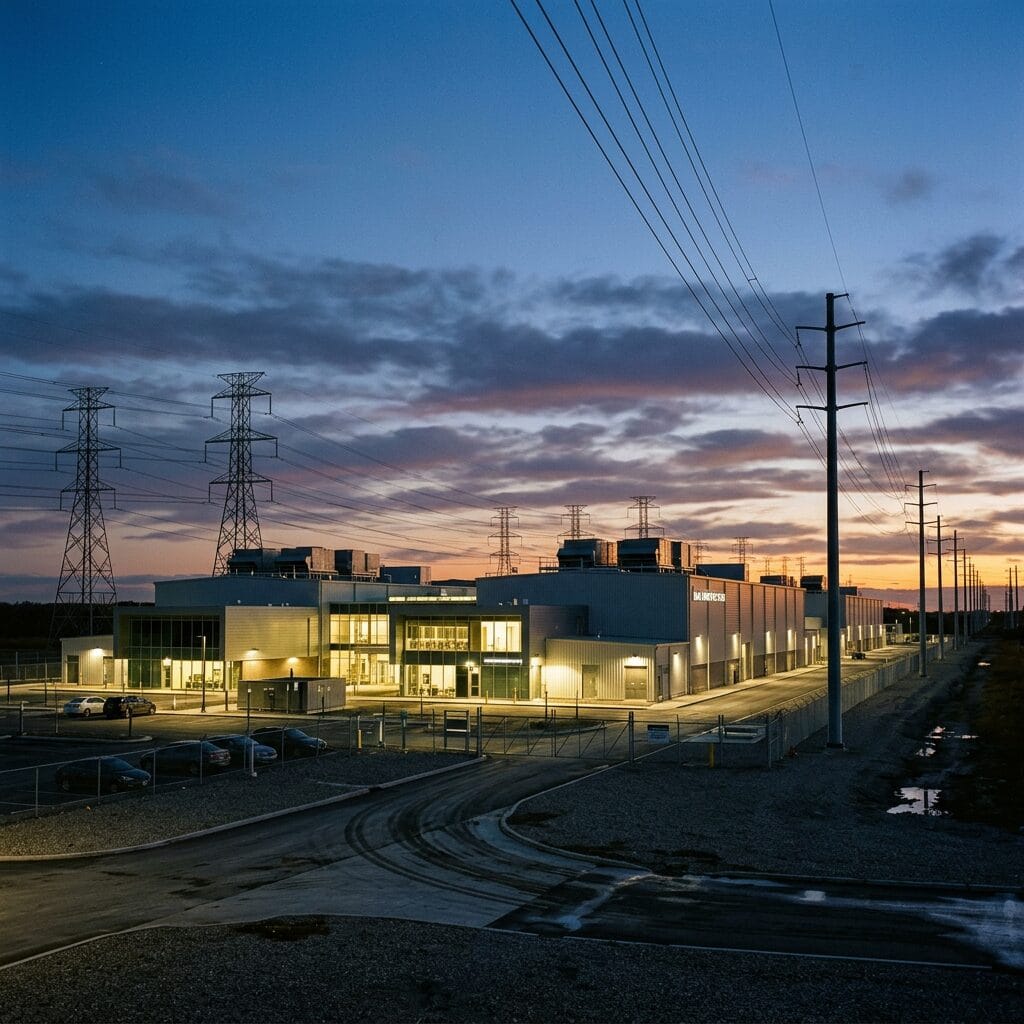
Behind every AI chatbot, image generator, or advanced language model is a massive network of data centers that require enormous amounts of electricity. These facilities run around the clock, using thousands of powerful computer chips that consume huge amounts of energy and generate intense heat.
That means AI is not just a software revolution.
It is also an energy revolution.
Recent reports have raised concerns about Elon Musk’s xAI project, where temporary natural gas turbines were reportedly used to power a large AI facility. Critics argue that the project may have operated without all the necessary environmental permits and that nearby neighborhoods are bearing the effects of increased air pollution.
While regulators continue to investigate the situation, the controversy raises an important question:
How should we balance rapid technological progress with the health of local communities?
AI Needs More Power Than Most People Realize
Training today’s most advanced AI systems takes an incredible amount of computing power.
Thousands of specialized computer chips work together for weeks or even months to train a single AI model. Those computers need constant electricity and cooling to operate.
As AI becomes more advanced, its demand for electricity continues to grow.
That is why technology companies are building larger data centers than ever before.
Every Data Center Has a Real-World Impact
Although AI feels digital, the buildings that power it are very real.
Large data centers occupy huge areas of land. They consume electricity, require cooling systems, and sometimes need additional power sources to keep operations running without interruption.
These facilities can create jobs and bring investment to local communities.
However, they can also increase noise, traffic, energy demand, and concerns about air quality, especially if fossil fuels are used to generate electricity.
Local Communities Want Answers
People living near major industrial projects often ask simple questions.
Will this affect our health?
Will the air become dirtier?
Will there be more traffic?
Will companies follow environmental rules?
These are reasonable concerns.
Communities generally support economic development, but they also expect businesses to operate responsibly and follow the same laws that apply to everyone else.
Clean Technology Should Also Be Clean
Artificial intelligence is often promoted as technology that will improve healthcare, education, transportation, and scientific research.
Those benefits are exciting.
But many people believe the way AI is built should reflect those same values.
If AI is helping create the future, then many argue its infrastructure should also be as clean and sustainable as possible.
That means investing in renewable energy whenever possible and minimizing pollution for nearby communities.
Governments Face a Difficult Balance
Governments want to encourage innovation.
AI has become one of the world’s fastest-growing industries, creating jobs and attracting billions of dollars in investment.
At the same time, governments are responsible for protecting public health and enforcing environmental regulations.
Finding the right balance is becoming increasingly difficult.
Move too slowly, and companies may invest elsewhere.
Move too quickly without proper oversight, and communities may bear unnecessary environmental costs.
AI’s Growth Is Only Beginning
Experts believe the demand for AI will continue growing for many years.
That means more data centers.
More electricity.
More infrastructure.
The decisions being made today about how these facilities are built could shape the industry for decades.
Companies that invest in cleaner energy and maintain good relationships with local communities may ultimately find themselves better positioned for long-term success.
Progress Should Benefit Everyone
Most people agree that artificial intelligence has enormous potential.
It can help doctors diagnose diseases, improve scientific research, make businesses more productive, and create entirely new industries.
But progress should not come at the expense of the people living closest to the infrastructure that makes it possible.
Technology and environmental responsibility do not have to compete with each other.
They can move forward together.
The Bigger Picture
The debate surrounding xAI is about more than one company.
It highlights a challenge that every major AI developer will likely face in the years ahead.
As artificial intelligence becomes more powerful, the demand for electricity will continue to rise. Communities, businesses, and governments will all need to work together to ensure that the benefits of AI are shared fairly—and that its environmental impacts are managed responsibly.
The future of AI will not be judged only by how smart the technology becomes.
It will also be judged by how responsibly it is built.
That may prove to be one of the most important challenges of the AI era.