

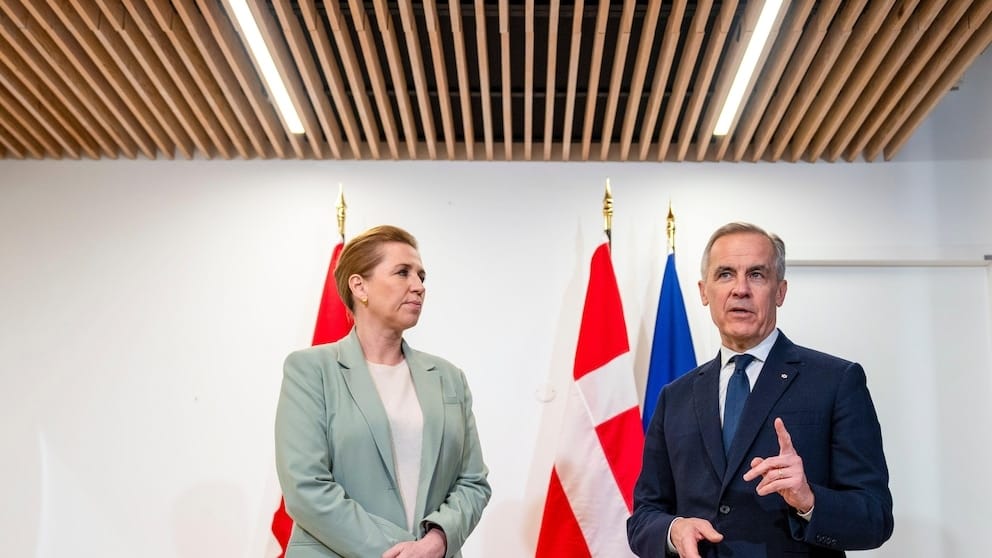
Canada is moving to deepen its Greenland ties, with Governor General Mary Simon and Foreign Minister Anita Anand planning a February trip to Greenland linked to the opening of a Canadian consulate in Nuuk. The timing is telling: it comes amid renewed chatter in the U.S. about annexation—talk that may be rhetorical, but still rattles Arctic politics.
A Canadian consulate in Nuuk is more than a plaque on a door. It’s a signal that Greenland is no longer treated as a distant neighbor-by-geography; it’s treated as a strategic partner in an Arctic that’s becoming more contested and more valuable. Shipping routes, critical minerals, security infrastructure, climate science, and Indigenous diplomacy all converge in the region—and the stakes are rising as the ice recedes.
The planned visit by the Governor General adds another layer. Mary Simon’s presence underscores the human and cultural dimension of Arctic engagement—particularly Indigenous relationships and northern identity—while Anand’s role highlights the foreign-policy and security side. Together, it’s a “high symbolism + high strategy” trip.
Against the backdrop of U.S. annexation talk, Canada’s move reads like quiet reassurance: strengthening relationships, planting diplomatic roots, and reinforcing the principle that Arctic futures are shaped by the people and governments who live there—not by outside wish lists.
Bottom line: Ottawa is signaling it intends to be more present in Greenland’s capital, at a moment when the Arctic’s geopolitical temperature is rising.

