


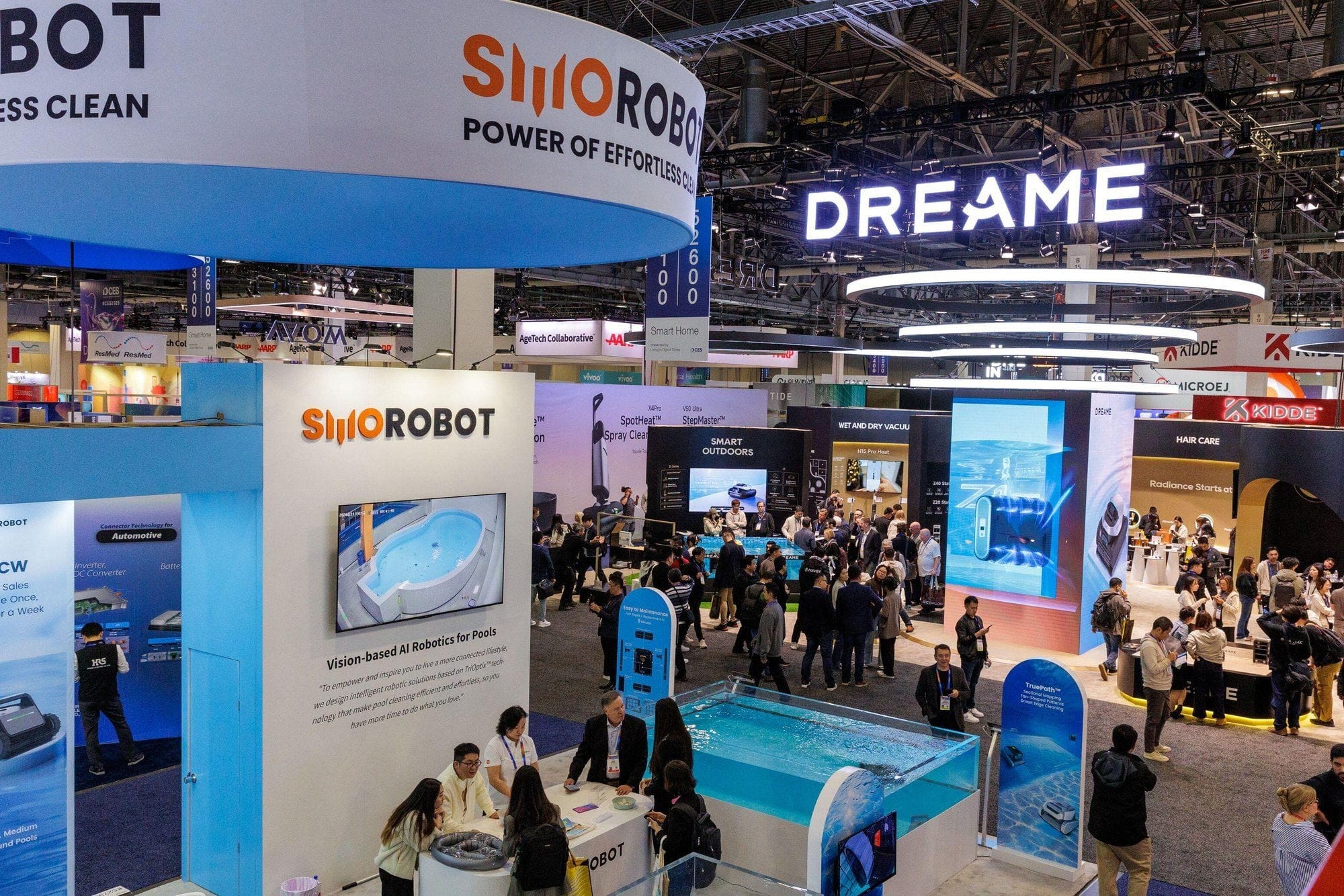
In a few days, Las Vegas will be flooded with engineers, executives, investors, and journalists—including me—for the annual Consumer Electronics Show, one of the biggest tech events of the year.
CES is where the future shows up early. If you can dream it, there’s a decent chance it’ll be on display—though to be fair, a lot of this tech will never make it out of the demo booth and into real life. Still, it’s the best place to spot the themes before they harden into trends: AI toys, AI notetakers, “AI companions,” exoskeletons and humanoid robots, and health gadgets that track everything from hormones to brain activity to… yes, your bathroom activity.
This year’s event will feature keynote addresses from the CEOs of major tech players like AMD and Lenovo, plus thousands of booths spanning legacy brands and brand-new startups. I’m excited to get lost on the show floor and stumble into something I didn’t know I wanted.
But as I pack my most comfortable shoes, here are a few devices that have already caught my eye.
Headphones that can read your brainwaves
EEG—electroencephalography—has been used in healthcare for decades to monitor brain activity, usually with a whole helmet of sensors. Now, scaled-down versions are creeping into consumer wearables.
Several neurotech companies using EEG will be at CES this year. Neurable will show its over-ear EEG headphones aimed at helping users hone focus and available for preorder. Naox is bringing in-ear EEG tech to earbuds. Elemind is pitching a headband designed to help you sleep. If wearables already track heart rate, sleep, and activity, 2026 might be the year brainwaves join the “daily biosignals” list—whether we’re ready for that level of self-quantification or not.
A toothbrush that sniffs out health issues
Sonic toothbrush company Y-Brush is unveiling a product that analyzes an unexpected biomarker: your breath.
Its Y-shaped brush looks like a dental retainer on a stick, with bristles surrounding the teeth. The new version, the Y-Brush Halo, includes a gas sensor called SmartNose that analyzes breath biomarkers. The company claims it can detect hundreds of health conditions—ranging from early-stage diabetes to liver disorders. That’s a big promise, and CES is where big promises go to either impress you… or get politely side-eyed.
An automatic massage roller that’s basically a foam roller with ambition
RheoFit’s A1 massage roller looks like the offspring of a foam roller and a massage chair. It automatically rolls along your back and comes with two interchangeable surfaces: a firmer one meant to mimic a masseuse’s knuckles, and a gentler one intended to feel more like an open palm.
This will be the second year it’s on display, and the real question is the same as always: does it feel like relief—or just like a gadget doing its best? Either way, I’m trying it on site to see if it earns its $449 price tag.
A minimalist e-ink smartphone designed to not hijack your brain
While most CES devices fight for your attention, a smaller counter-trend is emerging: tech designed to give it back.
Mudita is showing its e-ink smartphone, the Mudita Kompakt, which started shipping in 2025. It’s black-and-white, paper-like, and built to reduce screen time. The operating system is designed to run without Google, and the phone focuses on essentials—messaging, maps, camera—without the endless notification drip. It sits in the same “calm tech” lane as devices like the Light Phone: not anti-technology, just anti-constant-interruption.
A real-time food allergen detector that could change travel for millions
Some gadgets surprise you with a use case you didn’t know you needed. Others aim to solve the exact problem you’ve been wishing someone would tackle for years.
For me, French startup Allergen Alert falls into the second category. The company is developing a portable system designed to test for food allergens in real time. I’ve eaten gluten-free most of my life (not by choice), and I know how easily allergens sneak into dishes—especially when you’re traveling or eating out. For people with severe allergies, the dream isn’t a new screen or a smarter speaker. It’s safety you can carry in your pocket.
What I’m really watching for
CES isn’t just a gadget parade—it’s a preview of what companies think we want next. This year, the early signals feel clear: more AI in everything, more sensors on and in our bodies, and a growing split between “tech that grabs you” and “tech that protects you.”
I’ll be roaming the show floor looking for the surprises—those demos that seem silly until you realize they’re the first draft of the future. And if I find something truly unhinged (in a good way), you’ll hear about it.