


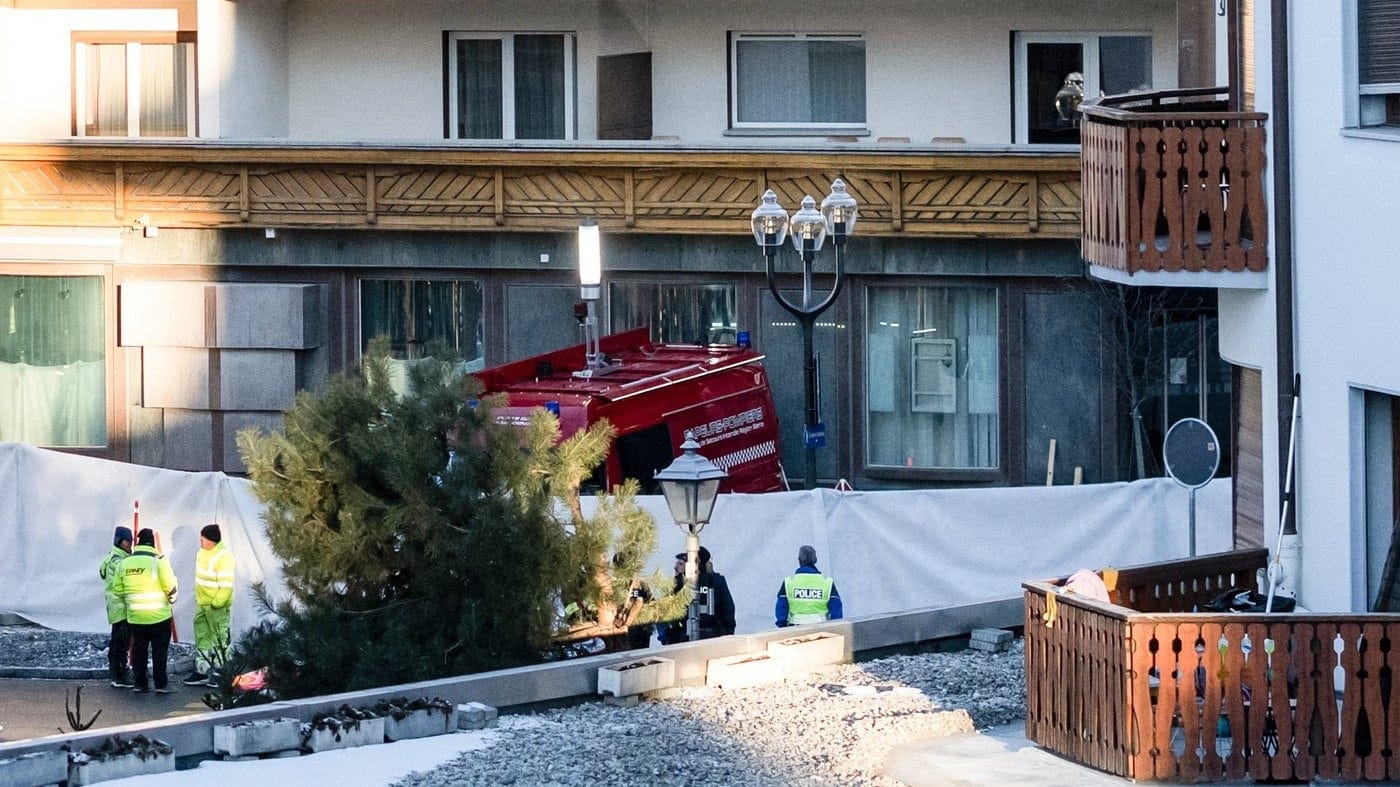
A New Year’s night meant for countdowns and celebration ended in tragedy in Crans-Montana, Switzerland, where a fire at a packed bar reportedly killed dozens and injured around 100+ people. Investigators have said the blaze appears accidental—a phrase that lands with a particular kind of cruelty, because it suggests there was no plot, no warning, no intent—just a chain of ordinary factors that turned catastrophic in minutes.
When a crowded room becomes a trap
Fires in nightlife spaces are especially lethal not because flames are “stronger,” but because conditions are stacked against people from the start:
- High density: More bodies means slower movement and faster panic.
- Low visibility: Smoke can fill a room quickly, and disorientation sets in fast.
- Noise and confusion: In a bar, alarms can be missed, and instructions get swallowed by chaos.
- Exit bottlenecks: Even with multiple exits, people often surge toward the entrance they came in through.
In many fatal venue fires, smoke and toxic gases do more damage than the fire itself. People can be overwhelmed before they realize how serious the situation is. And once visibility drops, even a familiar room can feel like a maze.
The human aftermath: beyond the headlines
Large casualty events have two timelines. The first is immediate: rescue, triage, hospitals, frantic phone calls, and the wrenching wait for news. The second timeline lasts far longer: burn recovery, inhalation injuries, trauma, survivor’s guilt, and grief that reshapes families and communities.
When investigators describe an incident as “accidental,” it doesn’t lessen the pain for those affected. It often intensifies the questions. If it wasn’t deliberate, then what failed? A device? A wiring fault? A moment of carelessness? A blocked exit? A delay in evacuation? In tragedies like this, the emotional need for answers is almost as urgent as the medical response.
What “accidental” may still involve
“Accidental” does not necessarily mean “unavoidable.” Many disasters are accidental in cause but preventable in outcome. Investigators typically work through a long checklist:
- Where and how the fire started
- How quickly it spread (materials, layout, ventilation)
- Whether alarms and emergency lighting worked
- Whether exits were accessible and clearly marked
- Whether crowd size contributed to evacuation delays
- How staff responded in the first moments
These details matter because they determine what can be changed—locally and nationally—to reduce the chance of the next catastrophe.
The uncomfortable truth about holiday nights
New Year’s Eve is a perfect storm for venue risk: peak crowds, higher alcohol consumption, packed interiors, and late-night fatigue. In these conditions, the margin for error gets thin. A minor malfunction or a small misstep can escalate faster than people can process.
That’s why major incidents like this often trigger a hard public reckoning about safety norms that usually stay in the background: occupancy enforcement, inspection frequency, staff training, and whether “maximum capacity” is treated as a strict rule or a flexible suggestion.
Holding two thoughts at once
In the days ahead, it’s possible the investigation will confirm a simple, non-criminal cause. But even then, the story remains profound and sobering: a single night, a single room, and an ordinary chain of events that ended with extraordinary loss.
For now, the priority is the people—those in hospitals, those waiting for loved ones, those grieving, and those who survived and will spend a long time replaying the moment they realized something was wrong.
New Year’s is supposed to be a reset. For Crans-Montana, it has become a reminder of something darker: how quickly celebration can turn to catastrophe, and how vital it is that public spaces are designed—and managed—for the worst moment, not just the best one.