


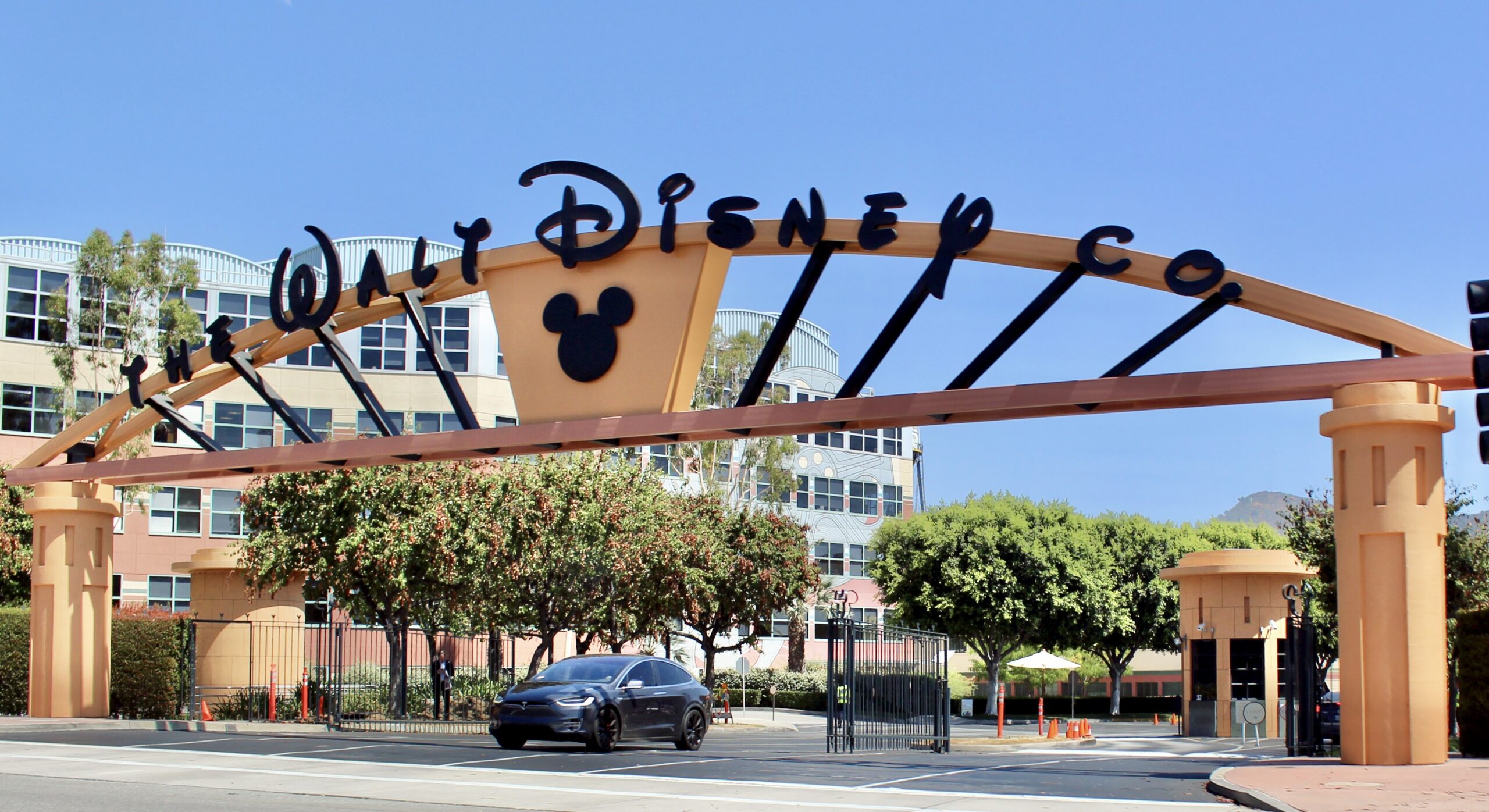
Disney has reportedly made a significant move into the artificial intelligence landscape with a $1 billion investment in OpenAI, signaling a major shift in how the company may develop characters, stories, and interactive experiences in the future. Although details have not been fully disclosed by either company, industry analysts view this partnership as a potentially transformative moment for media, entertainment, and creative technology.
This development reflects Disney’s long-standing commitment to innovation and its recognition of AI’s accelerating role within modern content creation.
Why Disney Is Turning to AI Now
Throughout its history, Disney has used technology to push the boundaries of storytelling—from pioneering synchronized sound and advanced animation techniques to implementing robotics and immersive experiences in its parks.
Today’s challenges and opportunities in media make AI more relevant than ever:
- Audience expectations for richer, more personalized content
- Increased production costs across film and animation
- Heightened competition in streaming
- Rapid advancement of generative AI technologies
By partnering with OpenAI, Disney could integrate cutting-edge AI models into multiple stages of its creative pipeline.
Potential Strategic Advantages
- Accelerated character development with AI-assisted concept generation
- Enhanced writing workflows through AI-supported ideation and editing tools
- Early-stage voice and personality prototyping for new characters
- Interactive storytelling capabilities for films, games, and theme park attractions
How AI Could Transform Character Creation
1. Streamlined Concept Art and Design Pipelines
AI systems could support Disney’s artists by producing rapid visual variations, maintaining stylistic consistency, and offering new creative directions. Rather than replacing human artistry, these tools would likely serve as accelerators for the early stages of development.
2. Voice Development and Character Personality Modeling
OpenAI’s advancements in voice synthesis and language models may enable:
- Customizable voice prototypes during pre-production
- Dynamic, personality-driven dialogue for digital characters
- Ethically governed preservation and extension of legacy character voices
These capabilities could reshape both production workflows and interactive applications.
3. Next-Generation Theme Park Experiences
AI-enabled characters could take on new roles within Disney’s parks, potentially offering:
- Real-time conversational interactions
- Personalized engagements tailored to returning visitors
- Storylines that adapt based on guest preferences or behaviors
Such systems would blend physical environments with AI-driven narrative experiences.
Impact on Disney’s Film and Streaming Operations
Improved Creative Efficiency
AI tools may support Disney’s creators by expediting tasks such as previsualization, world-building, and script refinement—allowing teams to focus on narrative depth and artistic direction.
Maintaining Human Oversight and Creative Integrity
Given Disney’s strong brand identity and global presence, any AI adoption would likely be accompanied by strict internal guidelines addressing:
- Artistic control
- Consent-based use of likeness and voice
- Data governance
- Ethical creative standards
The goal is to enhance, not diminish, the craftsmanship audiences associate with Disney.
What This Could Mean for Audiences
If implemented responsibly, viewers and guests may experience:
- Greater diversity in character and world design
- More immersive and responsive storytelling
- Faster development cycles for new content
- Revival or expansion of classic characters using carefully managed AI tools
Disney’s storytelling could evolve into a more interactive and adaptive form, while preserving the emotional resonance that defines its brand.
Broader Implications for the AI and Entertainment Sectors
Disney’s reported investment underscores a larger trend:
Major entertainment companies are beginning to integrate AI into core creative workflows. As a result, partnerships between technology innovators and media companies are likely to shape the next decade of content production, distribution, and audience engagement.
Conclusion
Disney’s reported $1 billion investment in OpenAI represents a pivotal moment for both companies and the entertainment industry as a whole. The initiative positions Disney to leverage advanced AI technologies to enhance character creation, streamline production, and expand immersive storytelling.
If successfully executed, this collaboration could redefine how stories are developed and experienced—setting a new standard for creativity at the intersection of technology and imagination.