


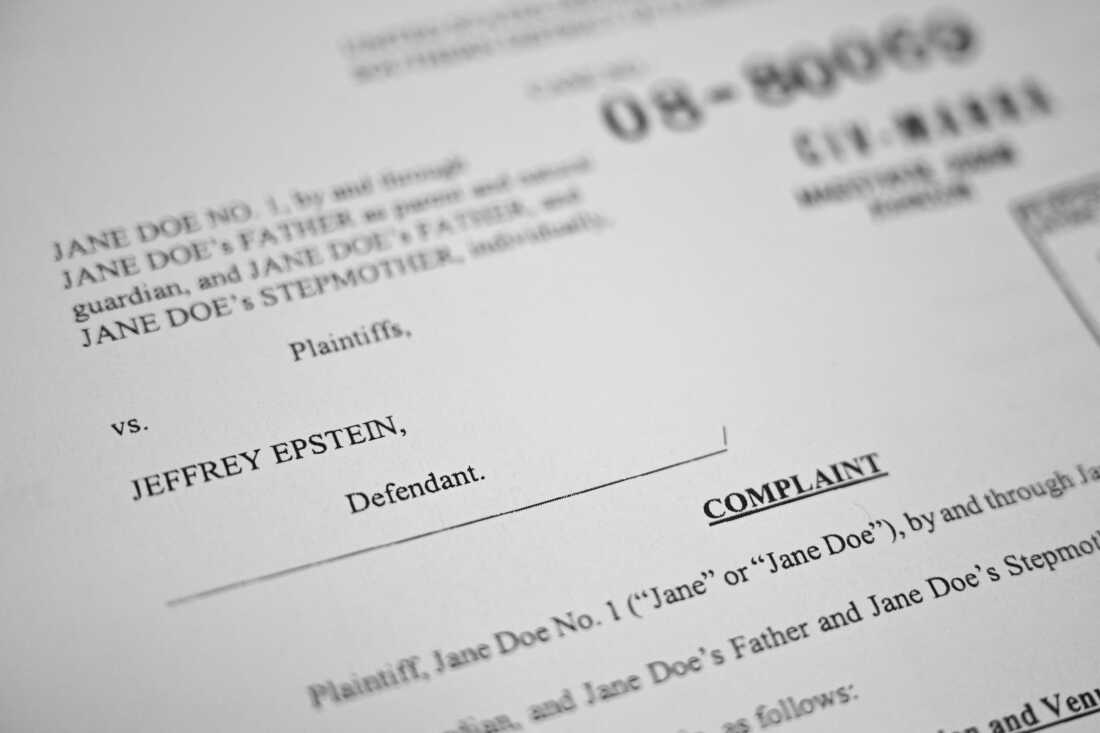
A brief window was all it took for a new controversy to ignite: at least 16 files tied to a recent batch of Epstein-related records reportedly vanished from a Department of Justice webpage within a day of appearing online. The broader release was already guaranteed to draw intense public attention. The sudden disappearance of documents—no matter the explanation—only deepens suspicion and adds fuel to a story that thrives on gaps, delays, and unanswered questions.
Why the missing files matter
In high-profile cases, transparency isn’t just about publishing records—it’s about maintaining a clear, auditable trail. When documents appear and then quickly disappear, the public’s first assumption is rarely benign. Even if the reason is mundane—duplication, redaction errors, privacy concerns, or a technical issue—the optics are damaging. In an environment already saturated with speculation, small administrative moves can look like deliberate concealment.
The tension at the heart of Epstein record releases
Epstein-related disclosures sit at the crossroads of public interest and legal constraint. On one side, there’s an enormous demand for clarity about who was involved, who enabled what, and what institutions failed. On the other side, there are real limits: protecting victim identities, avoiding harm from unverified allegations, maintaining chain-of-custody integrity, and complying with court orders. That friction creates a release process that often feels fragmented, inconsistent, and—crucially—easy to misinterpret.
What could explain documents disappearing?
Without official context, several scenarios are plausible:
- Redaction or privacy corrections: Files can be pulled if sensitive information was exposed.
- Posting errors: Incorrect versions, duplicates, or mislinked documents sometimes get removed.
- Legal or procedural review: Agencies may temporarily withdraw files pending compliance checks.
- Technical issues: Website migrations and document management glitches are more common than most people think.
Still, the key issue is not merely why the files disappeared—it’s the absence of immediate, clear communication about what changed and how the public can verify it.
What to watch next
If officials restore the missing documents, the next question will be whether they return in the same form, with the same filenames, timestamps, and content. If they don’t return, attention will shift to the explanation: was the removal routine housekeeping or a response to a serious error?
Either way, the episode highlights a simple truth: in cases this charged, transparency must be paired with process. Publishing records isn’t enough. Agencies also need visible version control, clear notices of edits and removals, and a consistent method for the public to track what’s been released—especially when the subject matter is as sensitive, consequential, and mistrusted as anything bearing Epstein’s name.