



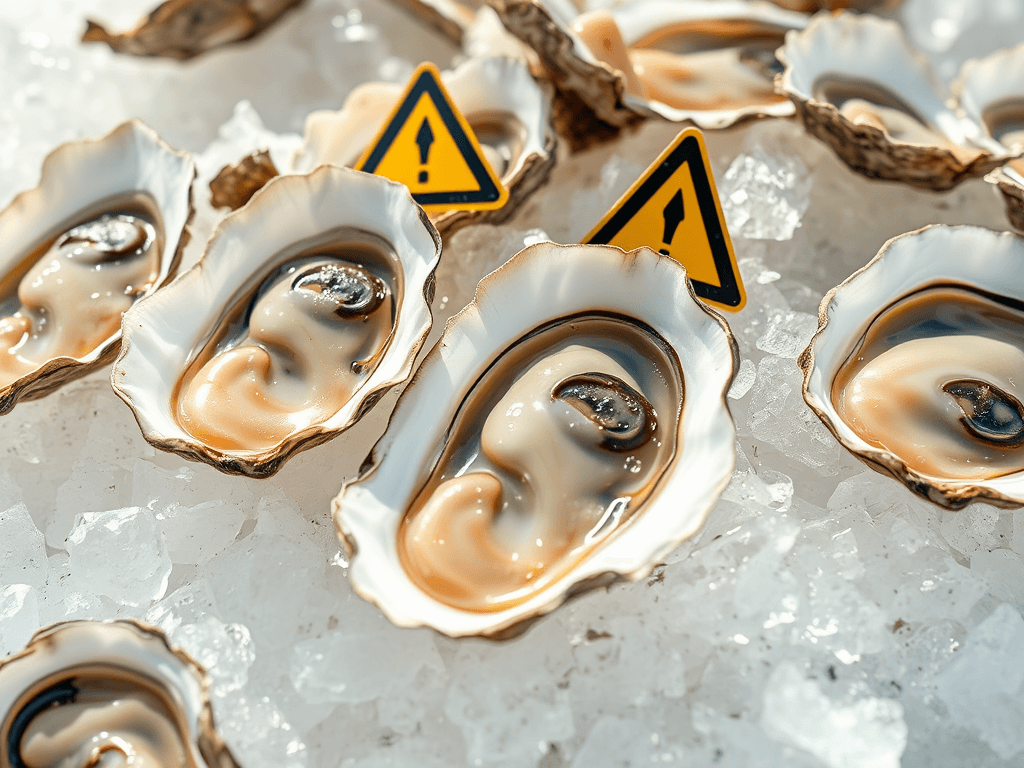
Health officials at the CDC and FDA are tracking a Salmonella outbreak linked to raw oysters, and investigators are working to pinpoint the common source—the shared supplier, harvesting area, or distribution chain that connects the cases.
Raw oysters can be a perfect vehicle for foodborne illness because they’re filter feeders: whatever is in the surrounding water can end up concentrated inside the shell. When oysters are eaten raw or undercooked, there’s no heat step to kill bacteria, so a single contaminated batch can travel far and affect people who have nothing else in common.
What to know right now
Salmonella typically causes gastrointestinal illness. Symptoms often include diarrhea, stomach cramps, fever, nausea, and vomiting, usually starting within a day or two after exposure. Many people recover on their own, but severe dehydration or complications can happen—especially for older adults, young children, pregnant people, and those with weakened immune systems.
What you can do (practical, not panic)
- Skip raw oysters for now if there’s any chance you’re in an affected supply chain—or if you simply want to reduce risk.
- If you eat oysters, choose fully cooked (heat is the safest “reset” button).
- Watch symptoms after eating raw shellfish; if you develop significant illness, seek medical advice—especially if you have high fever, bloody diarrhea, signs of dehydration, or symptoms that don’t improve.
Why “finding the source” matters
When investigators identify the common source, it can lead to targeted actions like harvest-area closures, recalls, and restaurant/retailer alerts, which is the fastest way to stop new cases. Until then, the safest move is straightforward: treat raw oysters like a higher-risk food and make choices accordingly.
The takeaway: this isn’t about giving up seafood forever—it’s about recognizing that when an outbreak is active, “raw” carries extra risk, and a little caution can spare you a miserable week (or worse).


