

A fragile Gaza ceasefire is under new strain after a blast in Rafah reportedly wounded an Israeli officer. Israel has accused Hamas of violating the truce, while Hamas has denied responsibility—a familiar, dangerous pattern where a single incident threatens to unravel weeks (or days) of hard-won restraint.
Ceasefires don’t usually collapse with a dramatic announcement. More often, they fray at the edges: one explosion, one disputed claim, one retaliatory step, then a cycle of “response” and “counter-response” that turns a pause into a memory.
Why moments like this escalate fast
When trust is thin, every incident becomes a test of intent. Israel framing the blast as a violation signals pressure to enforce red lines and deter future attacks. Hamas denying responsibility signals either a rejection of the allegation—or an effort to prevent the incident from being used as justification for renewed strikes. The gap between accusation and denial is where escalation lives.
And in a place as charged as Rafah—where civilians, fighters, humanitarian operations, and military objectives can collide—the cost of miscalculation is high. Even if leaders want the truce to hold, momentum can shift quickly once commanders, media, and public anger get involved.
What “strained truce” really means on the ground
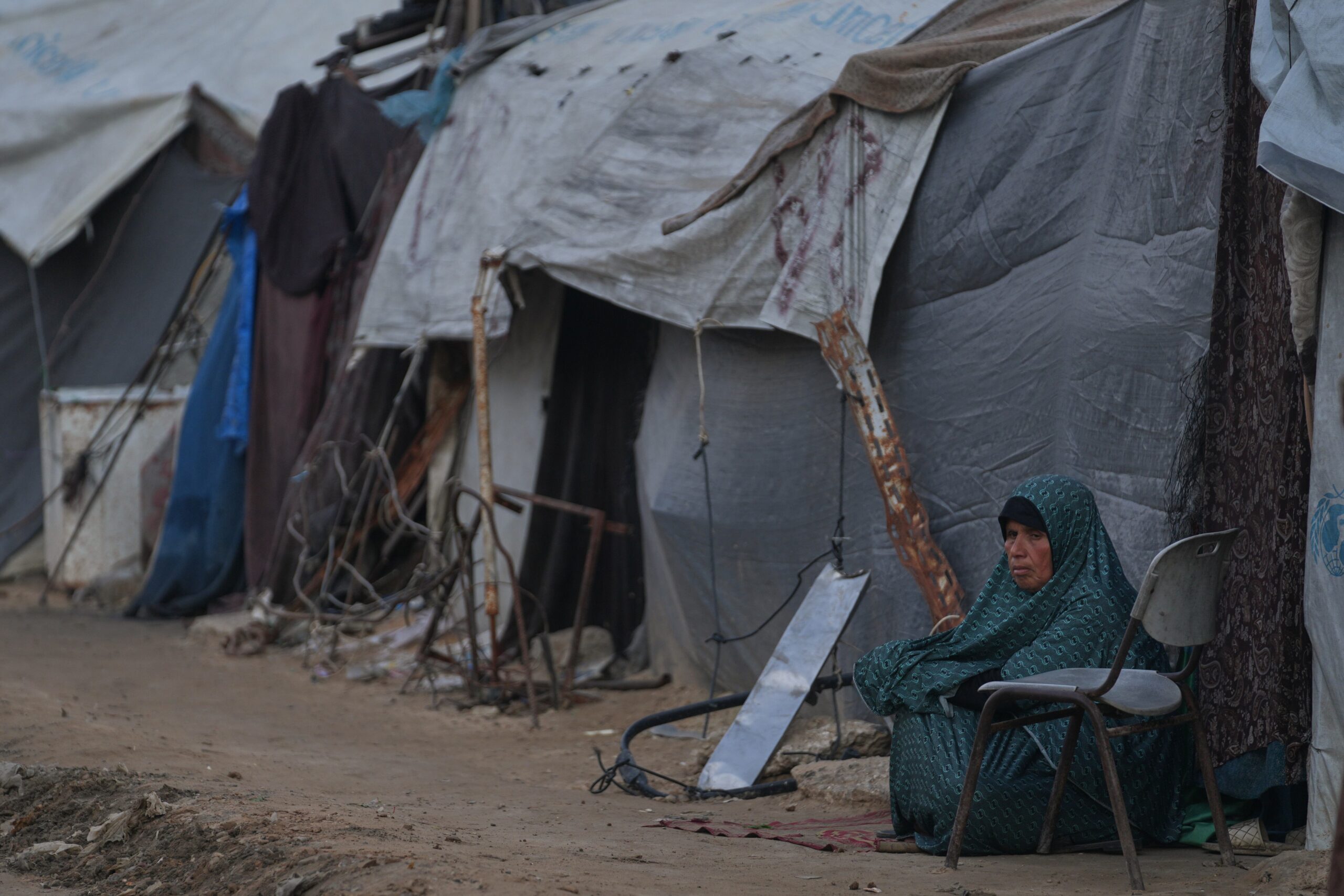
For civilians, “strained” translates into a different kind of fear: not the certainty of ongoing bombardment, but the dread of waiting for the pause to end. Aid flows, medical evacuations, and basic survival routines all depend on stability—something a ceasefire can provide, until it doesn’t.
If the truce survives this moment, it will likely be because both sides decide—quietly—that escalation costs more than restraint. If it doesn’t, this blast will be remembered not just as an incident, but as a turning point: the spark that proved how little margin remains between pause and war.