

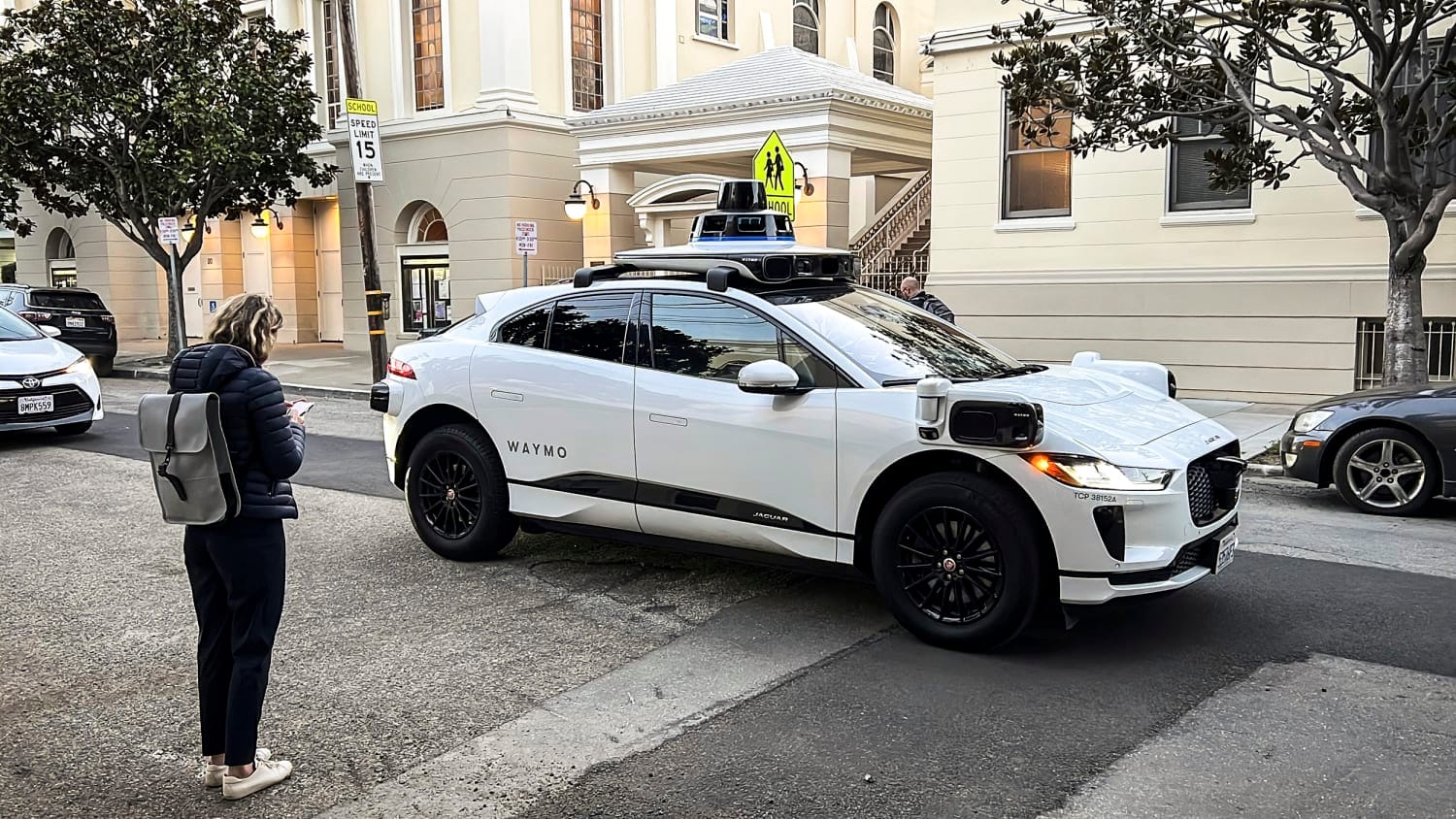
Waymo, Alphabet’s self-driving unit, is reportedly in early talks to raise a major new funding round—potentially over $10 billion, with some reports putting it at $15–$20 billion—at a valuation around or above $100 billion. Alphabet is expected to lead the round, alongside outside investors.
If it happens, this isn’t just a headline number. It’s a signal that robotaxis are moving from “cool tech” into “scale business,” where the biggest challenge isn’t proving autonomy works—it’s expanding it reliably, city by city.
Why raise this much, now?
Running a driverless ride-hailing network is expensive in all the unglamorous ways:
- building and maintaining large fleets,
- 24/7 operations and customer support,
- safety validation, mapping, and continuous updates,
- and launching in new cities (each with new rules, roads, and edge cases).
A mega-round would let Waymo accelerate coverage and capacity without slowing down to match internal budgets.
What the money likely fuels
Expect the focus to be practical and expansion-heavy:
- more vehicles in service and faster pickup times,
- more cities (and possibly more international moves),
- better economics per mile through tighter operations,
- continued safety investment as deployments broaden.
The takeaway
A $10B+ (or even $15–$20B) raise at ~$100B+ valuation would effectively position Waymo as one of the first autonomous-driving players being funded like a true mass-market transportation platform—not a long-horizon science project. And it raises the pressure on every rival chasing the same prize: the first robotaxi network that scales profitably.