



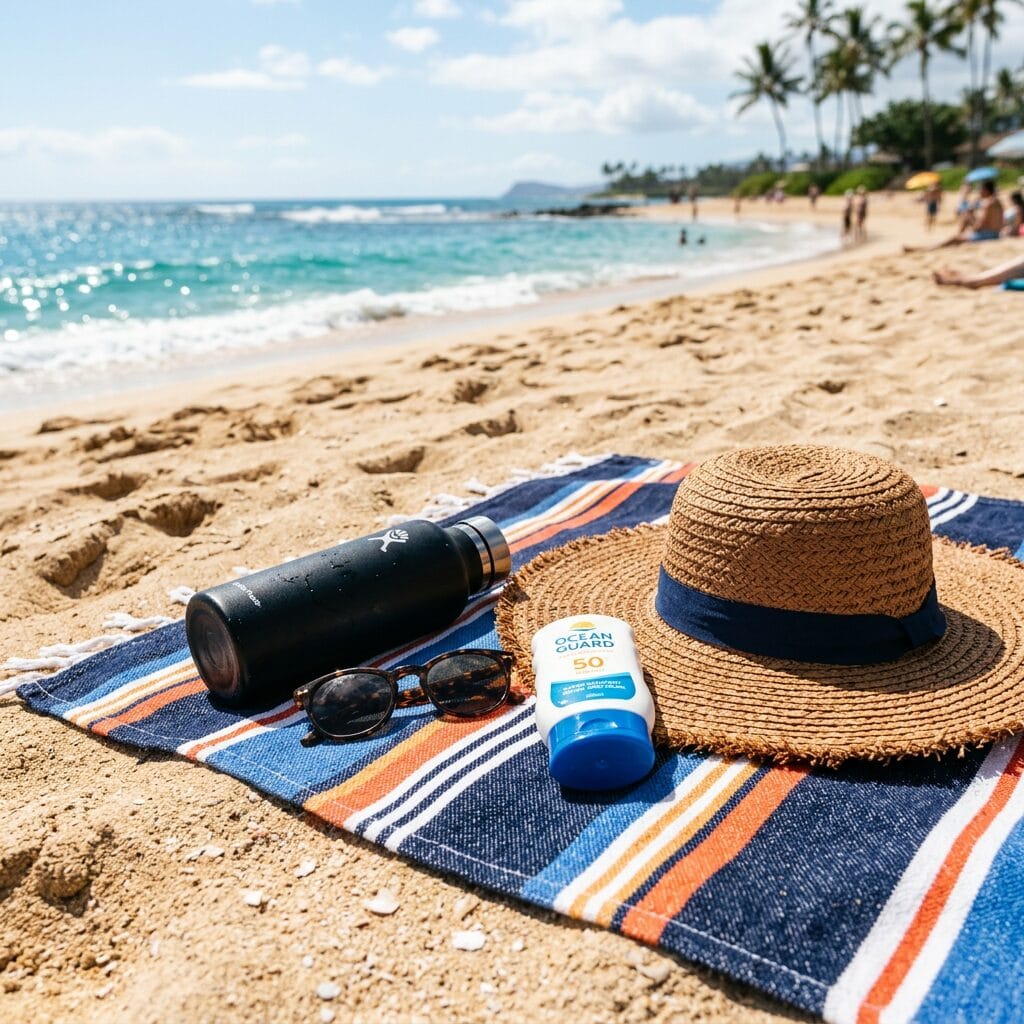
For many people, sunscreen is something that comes out of the bathroom cabinet only when heading to the beach.
A quick application before spending the day outdoors has long been considered enough to prevent an uncomfortable sunburn.
But today’s record-breaking heatwaves are changing that mindset.
As extreme temperatures become more frequent across many parts of the world, health experts are urging people to think differently about sun protection. Sunscreen is no longer simply a cosmetic product designed to prevent a temporary burn—it has become an essential tool for protecting overall health during periods of dangerous heat.
The combination of intense ultraviolet (UV) radiation and prolonged exposure to high temperatures creates risks that extend well beyond red skin.
Understanding how sunscreen works, how to use it correctly, and why new sunscreen technology matters has never been more important.
Heat and Sunlight Are Two Different Dangers
One of the biggest misconceptions about summer weather is that heat and sunlight are the same thing.
They are not.
Heat refers to air temperature, while ultraviolet radiation comes directly from the sun. A person can suffer sun damage even on relatively cool days, and dangerously high temperatures can increase the physical stress placed on the body without necessarily increasing UV exposure.
During heatwaves, however, both threats often occur simultaneously.
High temperatures place additional strain on the body’s cooling systems, while intense UV radiation damages the skin.
Together, they create a much greater health risk than either factor alone.
Sunburn Does More Than Damage the Skin
Many people think of sunburn as an uncomfortable inconvenience.
In reality, it can interfere with one of the body’s most important survival mechanisms.
Healthy skin helps regulate body temperature through sweating. When skin becomes severely sunburned, its ability to cool the body efficiently is reduced. That makes it harder to release heat, increasing the risk of heat exhaustion and, in severe cases, heatstroke.
During extreme heat events, preventing sunburn is therefore about much more than avoiding pain.
It can play an important role in helping the body manage dangerous temperatures.
A New Generation of Sunscreens Is Arriving
Recent advances in sunscreen science are giving consumers more options.
One of the most notable developments is the approval of new ultraviolet-filtering ingredients that have already been used for years in several other parts of the world. These ingredients are designed to provide broad-spectrum protection against both UVA and UVB rays while remaining stable under prolonged exposure to sunlight.
Photostability is particularly important during long summer days.
Some sunscreen ingredients gradually lose effectiveness as they remain exposed to intense sunlight. Newer formulations are designed to maintain their protective properties for longer periods, giving users more consistent protection throughout the day.
Innovation in sunscreen technology may seem like a small step, but it reflects years of scientific research aimed at improving skin protection.
Chemical and Mineral Sunscreens Work Differently
Consumers are often confused by the different types of sunscreens available on store shelves.
Broadly speaking, most products fall into two categories.
Chemical sunscreens use organic compounds that absorb ultraviolet rays before they can damage the skin. The absorbed energy is converted into a small amount of heat, reducing the impact of harmful radiation.
Mineral sunscreens rely primarily on ingredients such as zinc oxide or titanium dioxide. These minerals sit on the surface of the skin and provide broad-spectrum protection while generally causing less irritation for people with sensitive skin.
Neither approach is universally better.
The most effective sunscreen is often the one that people are willing to apply consistently and correctly.
Choosing the Right SPF
Consumers frequently assume that the highest SPF number automatically offers dramatically better protection.
The reality is more nuanced.
Health professionals generally recommend using a broad-spectrum sunscreen with an SPF of at least 30 for everyday outdoor activities. Higher SPF products can provide additional protection, particularly for people with very fair skin or those spending extended periods in direct sunlight.
However, SPF numbers should never create a false sense of security.
Even high-SPF products gradually lose effectiveness through sweating, swimming, towel drying, and natural skin oils.
No sunscreen lasts forever.
Reapplication Is Just as Important as Application
One of the biggest reasons sunscreen fails is not because people choose the wrong product.
It is because they do not use enough of it.
Many people apply only a thin layer, leaving large areas of skin underprotected. Others apply sunscreen once in the morning and assume they are protected for the rest of the day.
Neither approach provides reliable protection.
Health experts recommend applying sunscreen generously before going outdoors and reapplying it approximately every two hours, or sooner after swimming, heavy sweating, or towel drying.
Consistency is often more important than the specific brand.
Your Sunscreen Needs Protection Too
Heatwaves create another problem that many consumers overlook.
Sunscreen itself can be damaged by excessive temperatures.
Leaving bottles inside hot cars, on sunny beach towels, or in direct sunlight for hours can reduce their effectiveness. High heat may alter the stability of certain ingredients, making the product less reliable when it is needed most.
Proper storage matters.
Keeping sunscreen in a shaded bag, insulated cooler, or indoor environment helps preserve its protective qualities throughout the day.
Even the best sunscreen cannot work properly if it has been degraded by extreme heat.
Sunscreen Is Only One Part of Sun Safety
While sunscreen is essential, it should never be viewed as complete protection.
Wide-brimmed hats, UV-protective sunglasses, lightweight long-sleeved clothing, and seeking shade during the hottest hours of the day all provide additional layers of defense.
Staying hydrated is equally important.
The body’s ability to regulate temperature depends heavily on adequate fluid intake, particularly during prolonged periods of outdoor activity.
Effective heat protection is built through multiple strategies working together.
No single product can eliminate every risk.
Climate Change Is Making Sun Protection More Important
As heatwaves become longer, more frequent, and more intense in many regions, public health guidance is evolving.
Sun protection is no longer limited to vacations or summer weekends.
Outdoor workers, commuters, athletes, children, and older adults increasingly face repeated exposure to dangerous combinations of heat and ultraviolet radiation.
Governments are expanding heat action plans, employers are adjusting work schedules, and healthcare providers are placing greater emphasis on preventive measures.
Sunscreen has become part of a much broader conversation about adapting to a warming world.
The Meaning of the Moment
The growing focus on sunscreen during today’s extreme heatwaves reflects a simple but important reality.
Protecting ourselves from the sun is no longer just about avoiding an uncomfortable burn.
It is about reducing the risk of heat-related illness, preserving long-term skin health, and adapting to environmental conditions that are becoming increasingly severe.
Advances in sunscreen technology are providing better tools than ever before.
But even the most advanced formula cannot replace good habits.
Applying enough sunscreen, choosing broad-spectrum protection, storing products correctly, reapplying regularly, and combining sunscreen with shade, protective clothing, and hydration remain the most effective strategy.
As summers continue to grow hotter, sunscreen is becoming more than a seasonal accessory.
It is becoming an essential part of everyday public health.


