

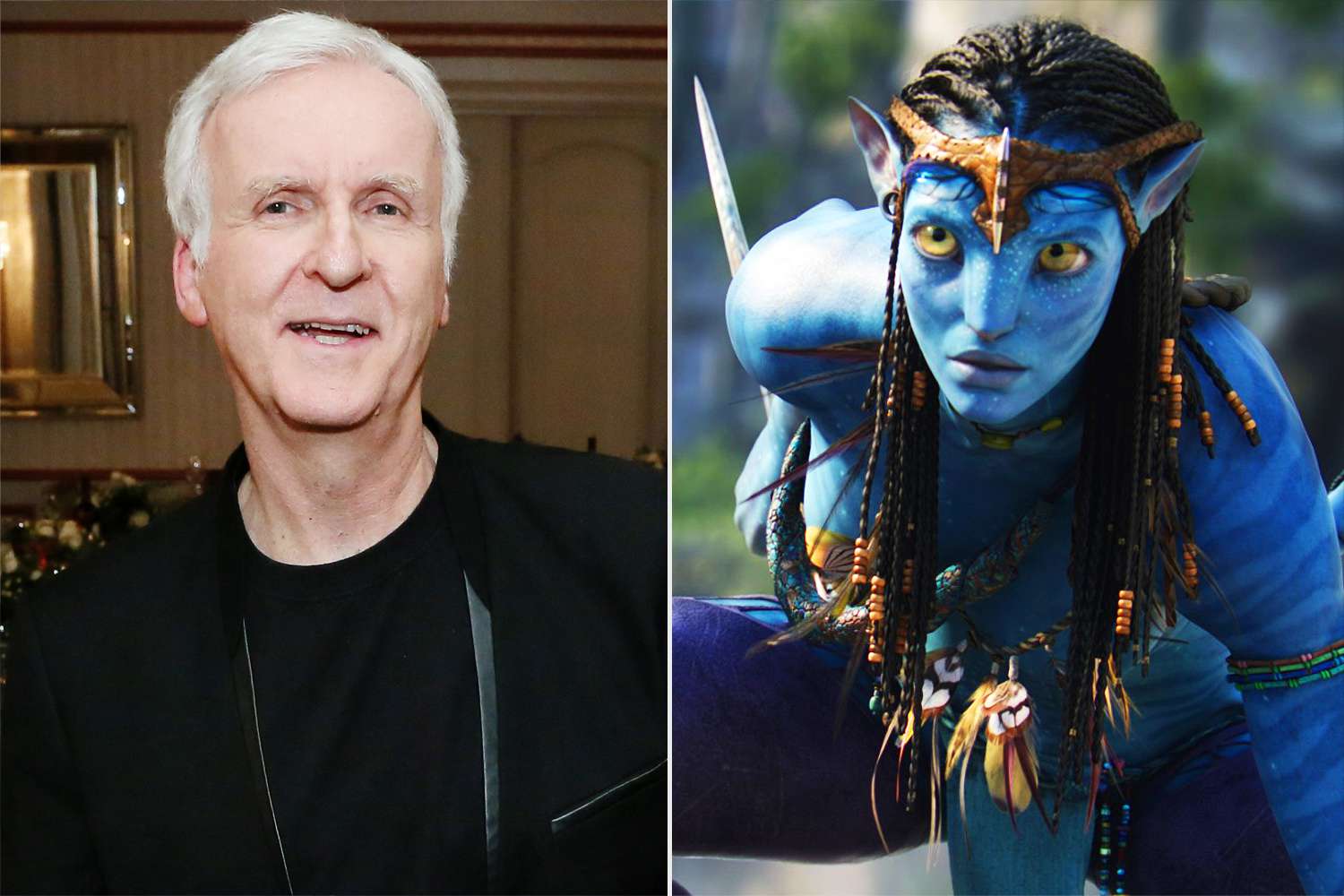
A major new interview with James Cameron isn’t just another victory lap for Avatar—it reads like a status update from a filmmaker who treats world-building like infrastructure. The headline isn’t a single plot tease; it’s the sense that Cameron is thinking in systems: story arcs, production pipelines, technology leaps, and what kind of future the franchise needs to stay culturally present rather than merely commercially successful.
Here are the big takeaways in plain terms: Cameron isn’t done with Pandora—and he’s not treating the next chapters as sequels so much as phases.
1) The franchise future sounds planned, not improvised
If early blockbuster franchises felt like “make one, then see,” Cameron’s tone is more like, “we’re building a railway.” The next steps are framed as:
- Long-horizon storytelling that pays off over multiple films
- Deliberate escalation (bigger emotional stakes, not just bigger set pieces)
- A focus on keeping the series coherent even as it expands
That matters because Avatar isn’t carried by quips or nostalgia. It’s carried by immersion—and immersion collapses fast if the story feels like it’s being made up on the fly.
2) Cameron’s real obsession: emotional credibility inside spectacle
The interview reinforces a Cameron pattern: he talks about spectacle like it’s table stakes. The real work, in his view, is making the audience feel like the characters are alive inside an impossible world.
So the franchise’s “future” isn’t just new regions of Pandora. It’s:
- Relationships under stress
- Family dynamics with consequences
- Characters making choices that can’t be undone with a clever line in the next scene
In other words: the next steps aim to keep Avatar from becoming an attraction ride—beautiful, but hollow.
3) Technology is still a character in the story—quietly
Cameron never treats filmmaking tech as a behind-the-scenes footnote. He treats it as a lever that changes what stories can be told convincingly.
The implication isn’t “more effects.” It’s:
- Better performance fidelity
- More naturalistic integration of CG and live action
- New ways to stage scenes that feel physically real
That’s how Avatar stays distinct: not just by being expensive, but by pushing “this feels real” a few inches farther than everyone else.
4) “What’s next” sounds bigger than Avatar—without abandoning it
The most interesting tension is that Cameron can sound simultaneously all-in on Avatar and still motivated by what comes after. That doesn’t read like boredom; it reads like a builder nearing the moment where the machine can run without him touching every gear.
So the franchise future feels like it’s heading toward:
- A clearer endgame (even if it’s still far away)
- A pathway where Avatar can keep expanding without losing its identity
- Cameron positioning himself to tackle other big swings—once the Pandora arc is locked
Bottom line
The interview isn’t about one spoiler-y detail. It’s about intent. Cameron’s next steps signal a franchise that’s being treated like a long-form project with a destination—one where technology supports emotion, not the other way around.