

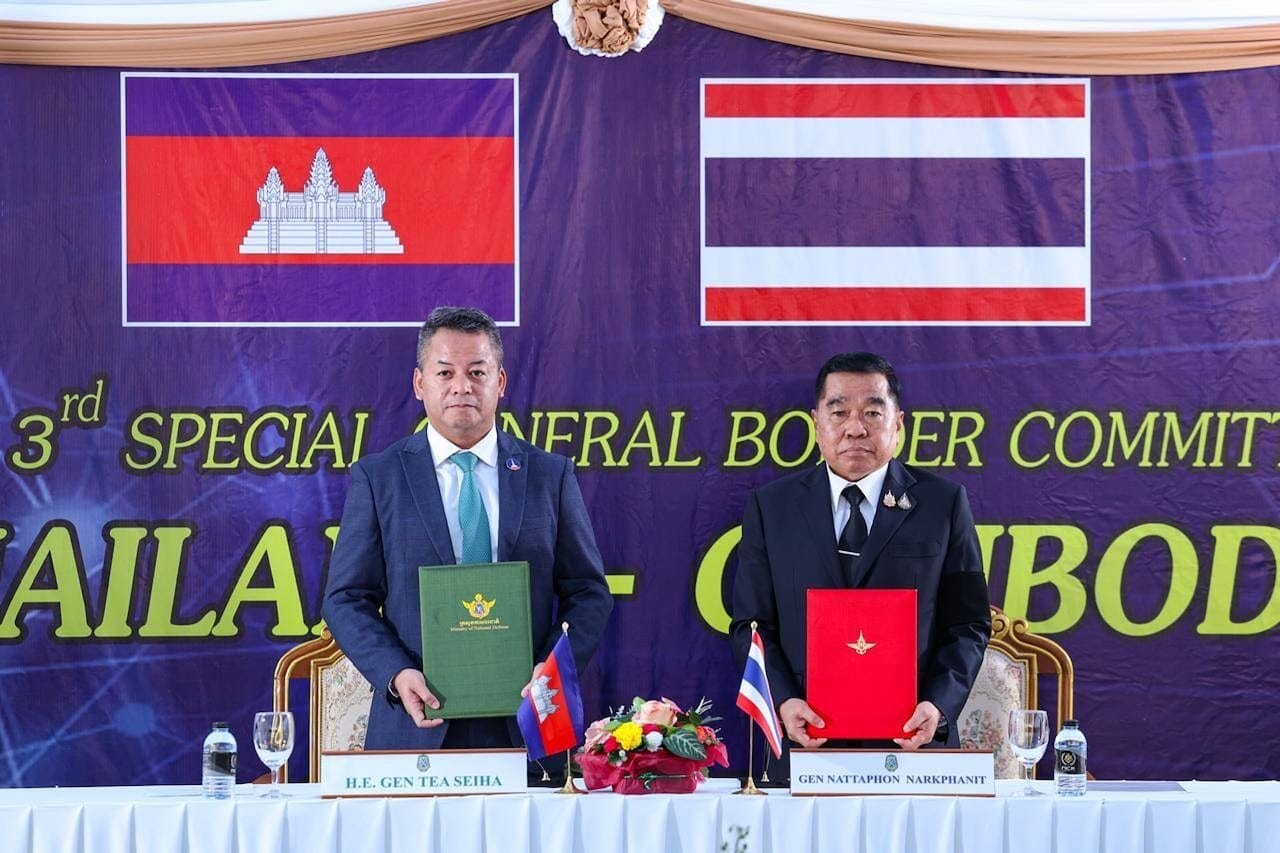
Thailand and Cambodia have signed a new ceasefire after weeks of deadly border fighting, agreeing to halt hostilities and manage troop movements under monitoring.
That last part—monitoring—is the real test. Ceasefires don’t fail only because leaders change their minds; they fail because local commanders misread orders, patrols bump into each other, or “defensive” repositioning looks like preparation to attack. A system to track and verify troop movements can reduce the paranoia that turns a quiet border into a spark.
For civilians near the frontier, a ceasefire isn’t abstract diplomacy—it’s whether schools reopen, roads feel safe, and families stop sleeping with one eye open. And for both governments, this deal is also about control: preventing a border incident from escalating into a wider political crisis.
Now the question is endurance. If both sides stick to the halt and keep troop management transparent, this could become the first step back from the cliff. If not, it risks becoming another temporary pause—useful, but fragile.

