



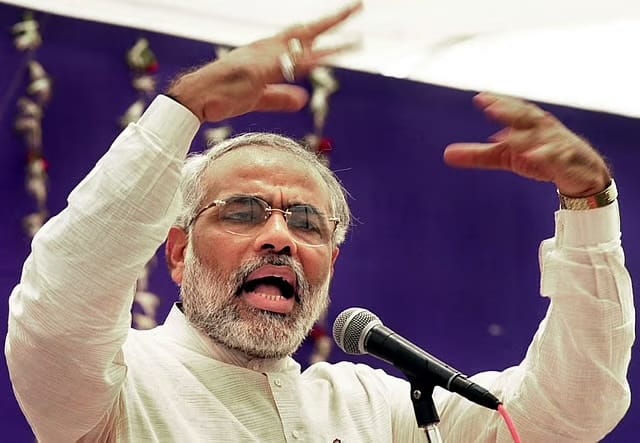
How Gujarat 2002 Became a Permanent Scar—And Why the World Still Holds Modi Responsible
In 2002, the burning of the Sabarmati Express coach at Godhra — killing 59 Hindu pilgrims — triggered one of the bloodiest episodes of communal violence in modern India.
Twenty years later, the law may have cleared Narendra Modi, the then Chief Minister of Gujarat.
But history, global perception, human-rights bodies, and millions of Indians have written a different verdict.
This article explores why much of the world believes Modi bears responsibility, why the U.S. denied him a visa for nearly a decade, and why official investigations and judicial findings are widely viewed as compromised, politically aligned, or rewarded.
It is not merely the story of violence. It is the story of institutions bending, whistleblowers punished, judges rewarded, and truth buried beneath legality.

Godhra & the Riots: What Happened and Why People Doubt the “Official Story”
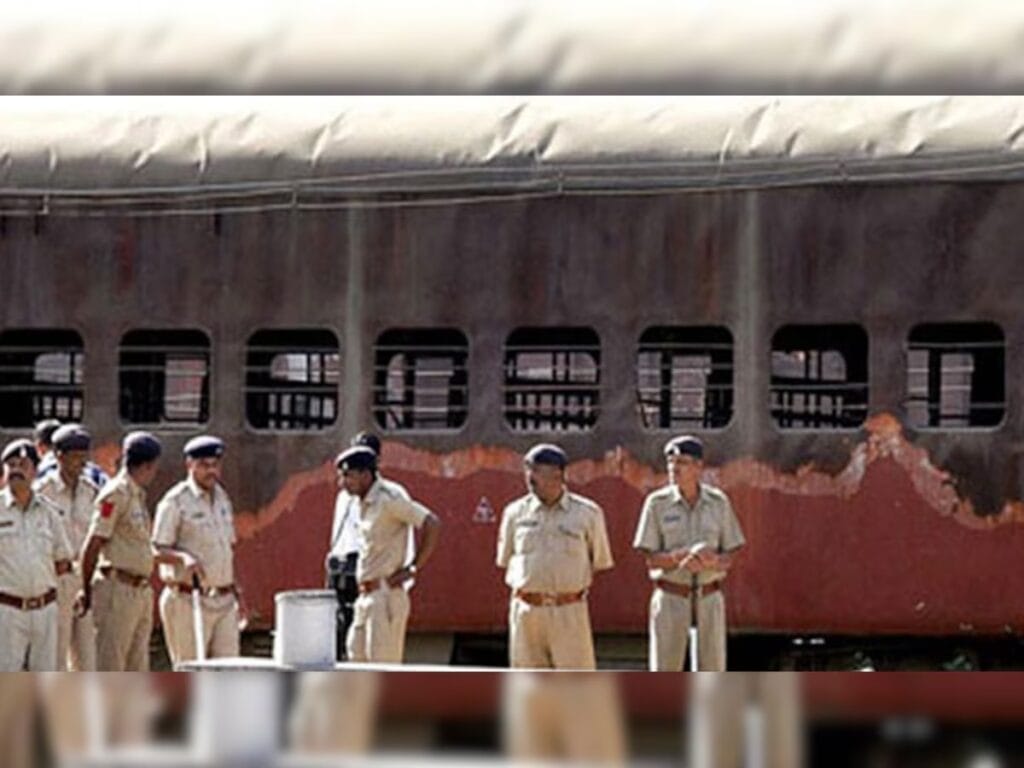
On 27 February 2002, Coach S-6 of the Sabarmati Express caught fire at Godhra,fifty-nine passengers died. The next day, Gujarat erupted. What caused the fire remains contested.
The Nanavati–Mehta Commission, appointed by the Gujarat government, called it a pre-planned Muslim conspiracy.The U.C. Banerjee Committee (Railways) concluded it was more likely an accident.
Independent jurists like Justice Krishna Iyer, Justice P.B. Sawant, and Justice Hosbet Suresh dismissed the conspiracy theory as unproven and politically convenient.
These conflicting conclusions created deep mistrust, to many Indians and international observers, the official version seemed tailored to justify what followed.
And what followed was not a riot, not grief, not chaos.
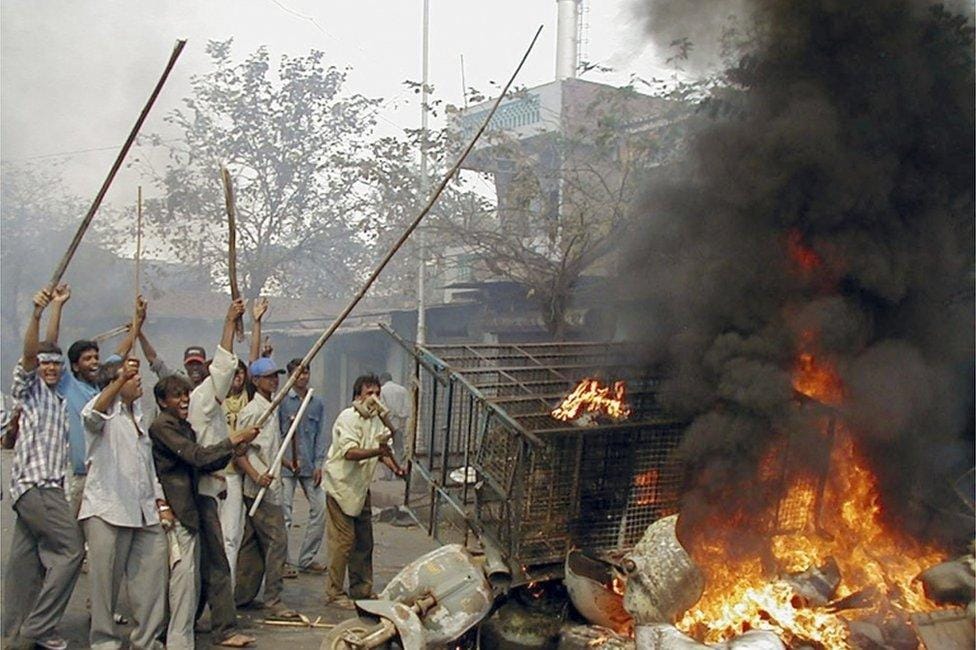
It was deliberate, organized, permitted violence — a hunt.
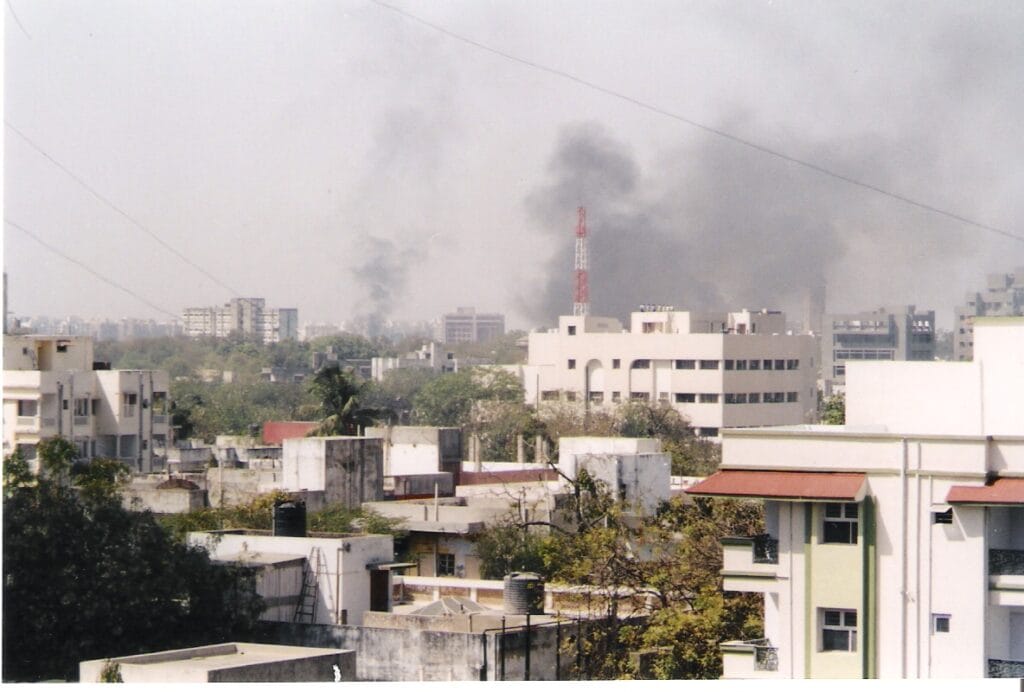
Over 2,000 Muslims were killed (official figure: 1,044), entire neighborhoods were wiped out,more than 200 mosques and dargahs destroyed, women were subjected to brutal sexual violence.
Human Rights Watch, Amnesty International, NHRC, and citizens’ tribunals concluded the same thing:The violence was not spontaneous. It was organized — and the state allowed it to happen.


Why MOST of the World Believes Modi Was Guilty
This belief does not come from rumor or political bias.
It comes from whistleblowers, investigations, and documented evidence.
Haren Pandya, former Gujarat Home Minister, told a confidential tribunal that Modi instructed officials on 27 February to “allow Hindus to vent their anger.” He was murdered a year later.
Sanjiv Bhatt, IPS officer, filed an affidavit claiming he heard the same instruction.He was dismissed, arrested, and jailed in an unrelated case years later.
DGP R.B. Sreekumar submitted affidavits detailing political interference to weaken police response, he was arrested shortly after the 2022 Supreme Court judgment.
Rahul Sharma, an IPS officer, produced mobile records linking political leaders to rioters.Instead of praise, he received chargesheets.
The Tehelka Sting Operation (2007)
An undercover sting caught Bajrang Dal and VHP members saying things like:
“Modi gave us three days free hand.”
“Police were told not to stop us.”
“We were protected after the killings.”
The CBI authenticated the tapes. Yet no political accountability
NHRC’s Findings
The National Human Rights Commission declared:
“There was a comprehensive failure of the State to protect life, liberty, and dignity.”
This was the diplomatic way of saying:The state did not stop the killings.
U.S. Visa Denial (2005–2014)
After reviewing evidence, the United States:
Denied Narendra Modi a diplomatic visa, Revoked his tourist visa
This was under the International Religious Freedom Act, which bars entry for officials involved in severe violations of religious freedom.
It was the first time in history the U.S. denied a visa to an elected Indian official for human-rights reasons. To the world, this was not politics. It was confirmation.
Modi may have escaped Indian courts — but not global judgment.
Why Indian Courts Cleared Modi — While the World Did Not
In 2022, a Supreme Court bench led by Justice A.M. Khanwilkar upheld the SIT report clearing Modi of wrongdoing.
Critics argue the courts were boxed in by narrow legal standards.
To convict a Chief Minister, courts require: A written order, recorded instruction
A witness courts consider “credible”
But in real-world state violence, nobody signs massacre orders.
Nobody records incriminating meetings.
Insiders risk death or imprisonment.
Thus, legal innocence does not equal moral innocence.
For many, the SIT clean chit was not justice — it was the system protecting its most powerful actor.
The Nanavati–Mehta Commission
It was appointed by the Gujarat government to investigate the Gujarat government.
It dismissed every allegation against the Gujarat government.
It took 12 years to conclude: “The government and police acted promptly and effectively.”
To the public, this felt like satire. It became shorthand for institutional capture —“Let the accused investigate himself.”
Justice A.M. Khanwilkar — A Shift and a Reward
Justice Khanwilkar began his career with progressive rulings: Decriminalized homosexuality,upheld the right to die with dignity, defended certain civil liberties
But from 2019 onward, his judgments increasingly aligned with the executive:
Upheld sweeping Enforcement Directorate powers
Dismissed petitions challenging government excess
Used unusually harsh language against activists (“keep the pot boiling”)
Authored rulings consistently favorable to the establishment
Then came the twist:
Shortly after retirement, he was appointed Lokpal of India (2024).
For many, this looked less like coincidence and more like compensation.
As critics summarised:“A judge who protects power is later rewarded by power.”
The Legal Community’s Alarm
Senior lawyers, including a three-time Delhi Bar Council President, warned publicly that the judiciary was drifting toward executive obedience.The message was unmistakable:
Too many judges are aligning with the government. Too few are standing with the people.
Trust collapsed, not because of one judgment —but because of a pattern.
Why Millions Believe Modi Benefited From Institutional Collapse
When you put it all together, the picture becomes unmistakable:
whistleblowers jailed or silenced
activists arrested after court rulings
commissions appointed by the accused
judges rewarded post-retirement
U.S. visa denial
global human-rights condemnation
testimonies from Pandya, Bhatt, Sreekumar
Tehelka tapes
documented police inaction
coordinated mobs
destroyed evidence
This is not just perception.It is the cumulative result of institutional failure, political pressure, fear, and structural incentives that shielded the powerful and punished the truthful.
The Violence Against Women — And the Unhealed Wound of Bilkis Bano
No account of 2002 is complete without acknowledging the horror faced by women.
The most documented case is that of Bilkis Bano, who was five months pregnant when a mob attacked her family.
Fourteen members of her family were killed.Her young daughter was murdered in front of her.Bilkis survived by pretending to be dead.
Police tried to bury her case.Doctors falsified records.Officials threatened her.Evidence was destroyed.
But she fought back — and won.
In 2008, eleven men — including police and doctors — were convicted.Yet on 15 August 2022, the Gujarat government released the convicts.They were welcomed with garlands, sweets, and praise.
For Bilkis, this was a second betrayal, only after national outrage did the Supreme Court reverse the release.
Her story became the moral mirror of Gujarat 2002 —reflecting not only brutality, but institutional rot.
The Verdict of History
Indian courts may have written one verdict.
But the Indian people, the world’s democracies, historians, journalists, human-rights organizations, and the families of victims have written another.
History’s verdict is shaped by:patterns, testimonies, whistleblowers, cover-ups, political incentives, global actions, human suffering and history is rarely wrong.
The fire in Coach S-6 died in minutes.The fire that swept through Gujarat still burns —in memories, in silence, in unanswered questions.
The biggest of them all:What is a citizen’s life worth when the state decides not to protect it?
Until that question is answered with honesty, courage, and accountability,the fire of 2002 will never go out.


