


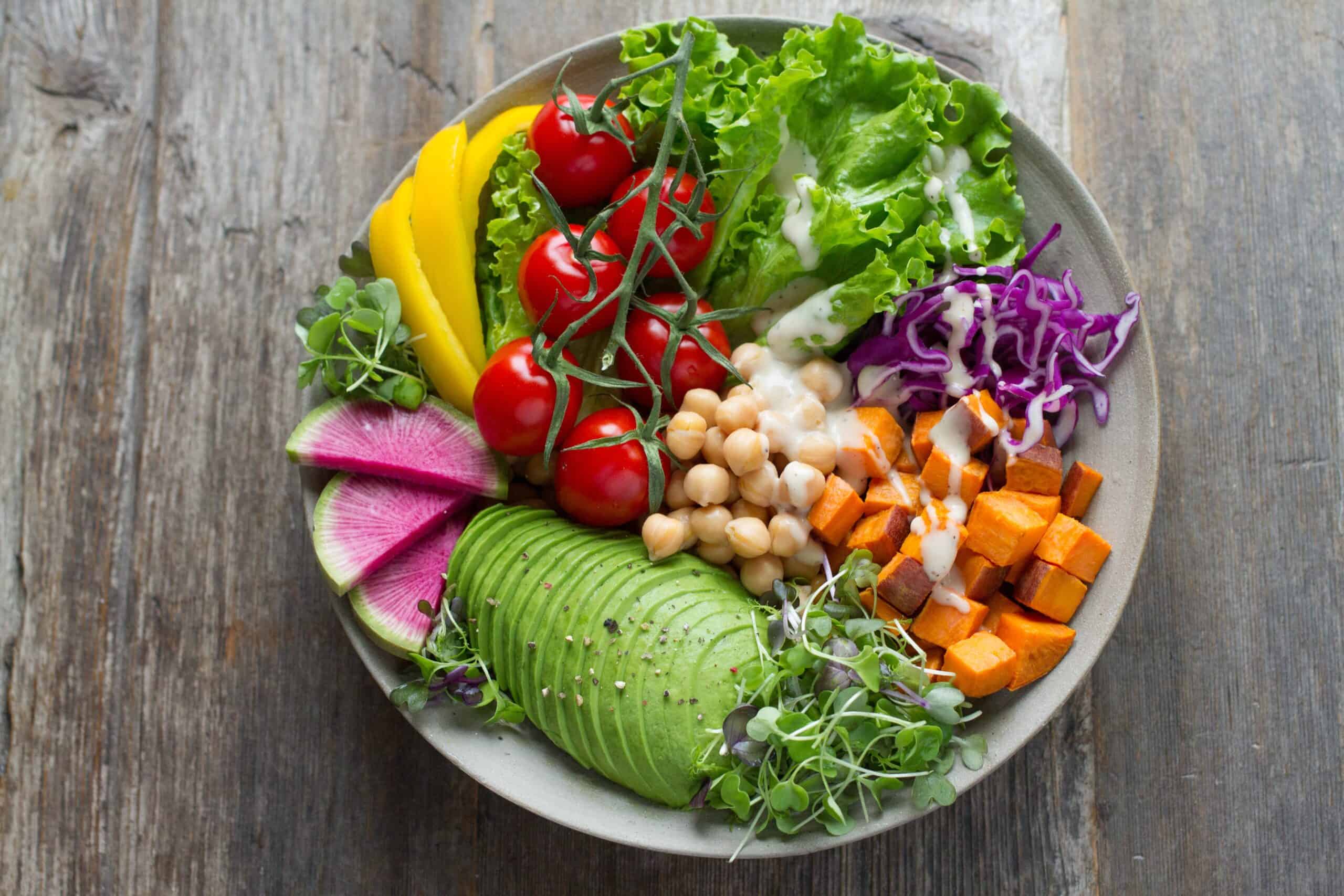
For years, plant-based eating was associated with salads, smoothie bowls, and “clean eating.” But over the last few years, something remarkable has happened in home kitchens, restaurants, and grocery stores: comfort food has gone plant-based.
From creamy mac and cheese made with cashew sauce to indulgent mushroom bourguignon, comfort classics are getting reimagined in ways that satisfy cravings and align with evolving food values. So what’s driving this delicious shift?

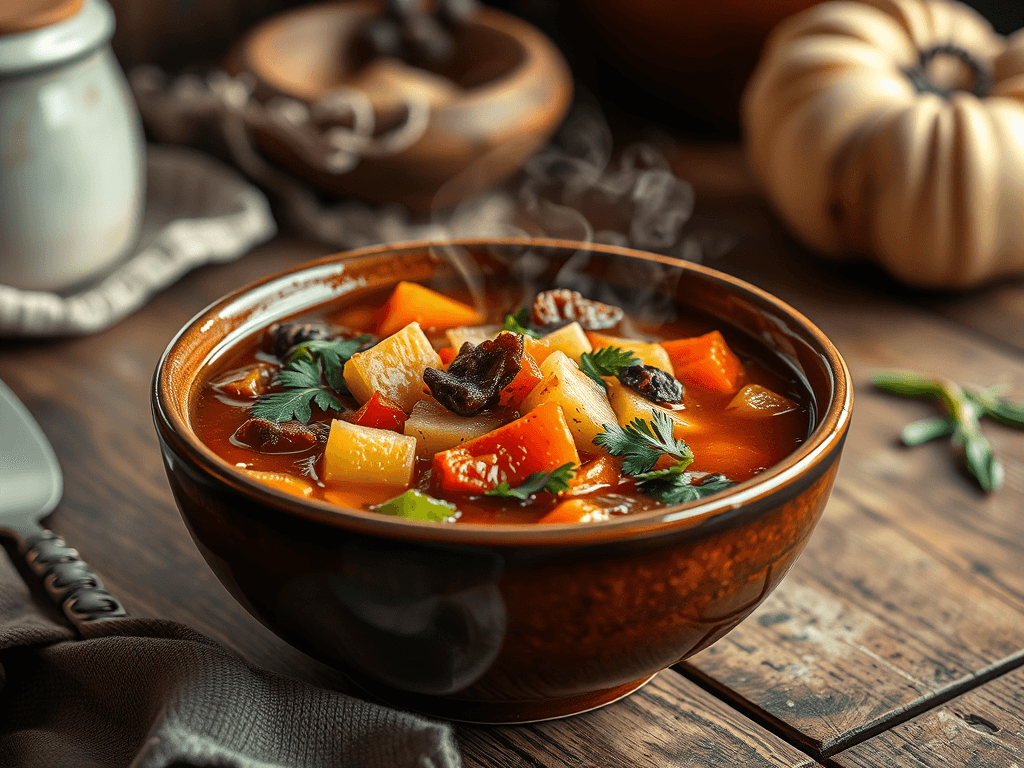
1. Comfort Food Isn’t Just About Ingredients—It’s About Emotion
Comfort food has always been cultural and emotional: the soup a parent always made when you were sick, the holiday dish that shows up on every table, or the dessert you associate with a celebration. Traditionally, these dishes were dairy-heavy or meat-centric.
But people today want the same emotional satisfaction with ingredients that match their lifestyle. That has opened the door for creative plant-based re-inventions that trigger nostalgia—without requiring animal products.

2. Plant-Based Cooking Has Become More Sophisticated
The days of bland tofu and basic veggie burgers are long gone. Chefs and home cooks have embraced:
- Smoky, slow-roasted vegetables that mimic depth traditionally achieved with meat
- Nut-based creams giving sauces velvety textures
- Fermented flavors like miso or plant-based cheeses that add umami
- Mushroom varieties (lion’s mane, oyster, maitake) that provide rich, meaty qualities
This evolution means plant-based comfort food doesn’t feel like a compromise—it’s often an upgrade.

3. People Want “Better-For-You” Versions of Familiar Favorites
Comfort food is wonderful—but it’s not always gentle on the body. Many people are turning to plant-based versions because they can be:
- Lower in saturated fat
- Higher in fiber
- Easier to digest
- Packed with nutrient-dense ingredients
You still get the cozy, warm, indulgent experience—just with a nutritional boost.

4. Global Food Influences Are Expanding What “Comfort” Means
Comfort food varies around the world, and plant-based adaptations are bringing global dishes into more kitchens. Think:
- Lentil dal topped with coconut cream
- Meatless Mexican pozole
- Vegan Japanese curry
- Chickpea-based Moroccan tagines
These dishes are packed with spices, aromatics, and vegetables that naturally lend themselves to plant-forward cooking.

5. The Convenience Factor Isn’t What It Used to Be
Grocery stores have exploded with plant-based options:
- Vegan butters that brown beautifully
- Shreddable and meltable dairy-free cheeses
- Heat-and-eat plant-based entrées
- Plant-powered soups, stews, and broths
This has made recreating comfort classics easier than ever—even for beginners.

Popular Plant-Based Comfort Foods Right Now
Here are a few dishes showing up everywhere from food blogs to restaurant menus:
- Creamy cashew mac and cheese
- Mushroom stroganoff with silky oat cream
- Loaded sweet potato chili
- Butternut squash risotto
- Crispy tofu “fried chicken”
- Pulled jackfruit BBQ sandwiches
These dishes prove that comfort and plant-based eating aren’t opposites—they’re delicious partners.

Final Thoughts
Plant-based comfort food isn’t a trend—it’s a reflection of how people are redefining what it means to eat well. Today, comfort can be nostalgic and nourishing, indulgent and sustainable. Whether you’re vegan, vegetarian, flexitarian, or just curious, there’s never been a more exciting time to explore plant-based cooking.