

Donald Trump wants the world to believe China is now helping him pressure Iran.
China is saying something very different.
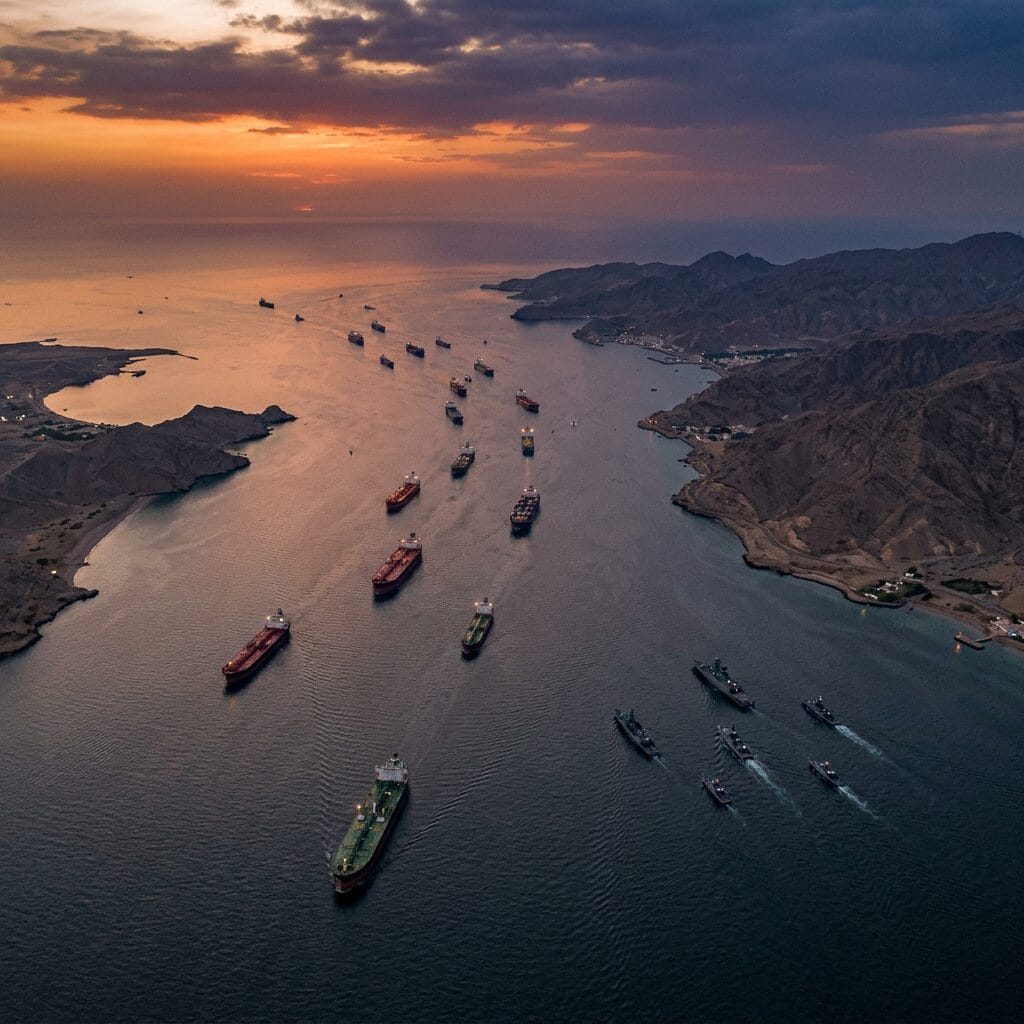
That contrast matters because the Strait of Hormuz has become the pressure valve of the global economy. Whoever can influence its reopening has enormous leverage over oil prices, inflation, shipping, and the political fate of the war itself. Trump came out of his Beijing meetings saying Xi Jinping agrees Iran must reopen the strait. But Beijing’s public message was not a promise to lean on Tehran. It was a rebuke of the war itself.
That is the real story.
Trump Wants China as a Pressure Tool
Trump’s political need is obvious.
The Iran war has become expensive, unpopular, and economically dangerous. The Strait of Hormuz remains effectively choked. Oil prices are high. Shipping is disrupted. Inflation pressure is feeding directly into American politics. In that situation, Trump badly needs a breakthrough, and China is one of the few countries with real economic influence over Iran.
China buys Iranian oil. China has channels Washington does not. China can speak to Tehran without looking like an occupying force or a direct belligerent.
So Trump wants Xi in the game.
But wanting China to help and getting China to help are not the same thing.
China Does Not Want to Save Trump From His War
Beijing’s position is careful, but not hard to read.
China wants the strait open because it needs energy flows stable. It does not want oil chaos, shipping disruption, or a global supply crisis. But China also has little incentive to publicly rescue Trump from a war Beijing says should never have started.
That is the difference.
China may want the same practical outcome — an open Hormuz — but not the same political script. Trump wants pressure on Iran. China wants to blame the war, oppose escalation, protect its own oil access, and avoid becoming Washington’s junior partner in cleaning up the mess.
That is a very different posture.
Hormuz Has Become the Real Negotiating Table
Diplomats may meet in capitals, but the real negotiation is happening around the waterway.
If ships cannot move safely through Hormuz, then no ceasefire language can fully calm markets. If Iran controls or taxes passage, then global commerce is being forced to operate under Tehran’s shadow. If the U.S. maintains a blockade while demanding Iran reopen the strait, then both sides are using maritime pressure as leverage.
That is why the strait is no longer just a shipping route.
It is the battlefield, the bargaining chip, and the economic hostage all at once.
Iran Is Not Acting Like a Defeated Power
Tehran’s position is also clear.
Iran is not reopening the strait for free. It wants the U.S. blockade ended. It wants leverage recognized. It wants the world to understand that pressure on Iran will produce pressure on everyone else. That may be dangerous, but it is not irrational. Iran is turning geography into power because geography is the one advantage it can still weaponize against stronger military forces.
That is what makes the crisis so difficult.
Washington wants open shipping as a global norm. Iran wants control treated as a strategic fact. China wants stability without endorsing Washington’s war. The interests overlap just enough to require diplomacy, but clash enough to keep the crisis alive.
Trump’s Sanctions Offer Shows Who Really Has Leverage
Trump floating the idea of lifting sanctions on Chinese companies buying Iranian oil is revealing.
It shows that Washington knows China cannot simply be ordered into line. If Trump wants Beijing’s help, he may have to offer something. But that also undercuts his strongman posture. A president who says he is not asking for favors is still clearly searching for a way to make Chinese cooperation worth Beijing’s while.
That is the hidden weakness in the moment.
Trump needs China to help stabilize a crisis caused by a war China opposed. That gives Xi room to appear calm, patient, and useful without fully committing to anything.
Beijing Can Benefit From Being the Responsible Adult
China’s public line is politically useful.
By saying the war should not have started and has no reason to continue, Beijing positions itself as the voice of stability while Washington looks trapped in escalation. That does not mean China is morally neutral or purely peace-minded. China is pursuing its own interests. But the optics are powerful.
The U.S. is trying to force Iran to open the strait.
China is saying the war itself is the problem.
In much of the world, that distinction will matter.
The U.S. Is Learning the Limits of Force
This crisis exposes a hard truth about American power.
The United States can bomb. It can blockade. It can threaten. It can pressure allies. But it cannot easily force a clean economic outcome when the conflict touches a chokepoint this vital and a rival power has relationships with the state being targeted.
That is the lesson of Hormuz.
Military pressure can create leverage, but it can also create a global supply crisis that eventually forces Washington to seek help from the very powers it competes with.
The Real Risk Is a Stalemate With Oil at $109
The most dangerous outcome is not dramatic escalation alone.
It is prolonged paralysis.
A half-closed Hormuz, stalled talks, high oil prices, disrupted shipping, and each side waiting for the other to blink. That kind of stalemate bleeds slowly into the global economy. It keeps inflation hot, weakens growth, strains consumers, and turns every diplomatic delay into another tax on the world.
That is already happening.
And unless the strait truly reopens, the war will keep reaching far beyond the battlefield.
The Meaning of the Moment
Trump says Xi agrees Iran must open Hormuz.
Maybe he does, in the narrow sense that China also wants shipping restored. But that does not mean China is joining Trump’s pressure campaign. Beijing’s message is colder and more strategic: this war should not have happened, China will protect its own interests, and Washington cannot assume Chinese help without paying a price.
That is the real power dynamic.
Trump wants a breakthrough. Iran wants leverage. China wants stability without subordination. And the global economy is stuck watching ships, oil prices, and statements from leaders who all claim to want the strait open while none has yet produced a way to make it happen.
Until Hormuz moves freely again, nobody owns the win.

