

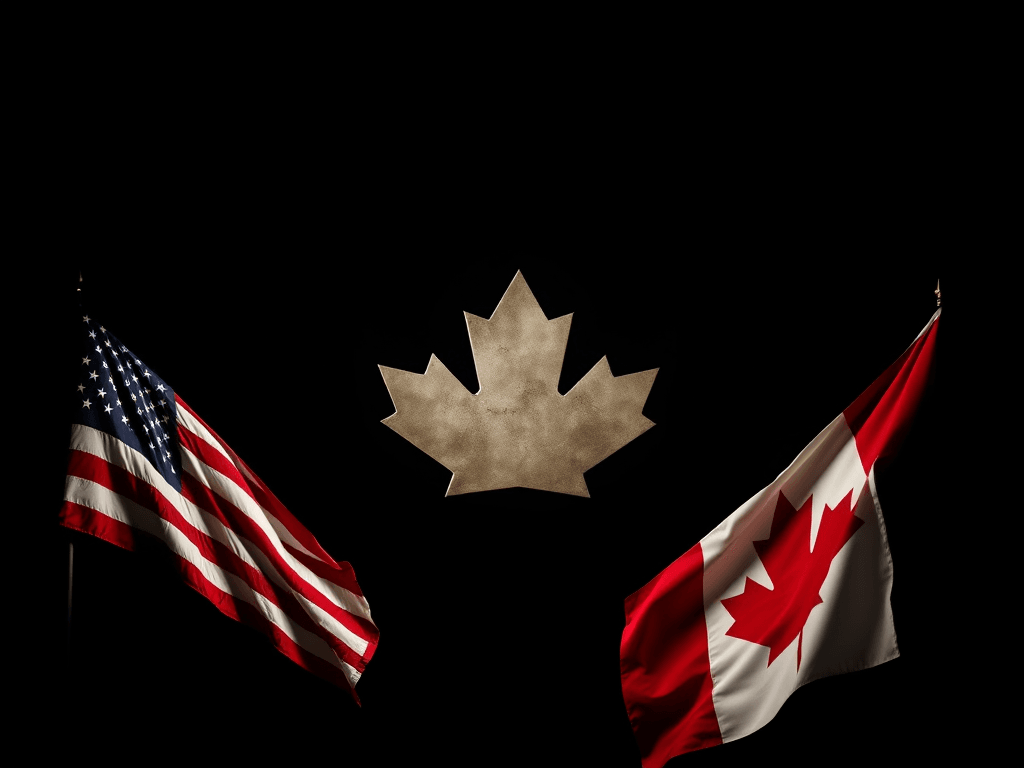
Canada just got a loud reminder of how fragile “economic sovereignty” can be in 2026: President Donald Trump is reportedly threatening a 100% tariff on Canada if Ottawa moves ahead with a major deal involving China.
The message is blunt: don’t deepen ties with Beijing — or pay the price. And the scale of the threat (100%) isn’t subtle negotiation. It’s a warning shot designed to stop a policy shift before it becomes real.
Why it matters
This isn’t just about diplomacy — it’s about supply chains and leverage. Canada sits inside North American manufacturing, especially autos and EV-related trade, which makes it uniquely vulnerable to U.S. pressure. A tariff threat at this level instantly raises risk for:
- exporters and manufacturers
- investment planning (plants, sourcing, logistics)
- the Canadian dollar and market confidence
- the next round of CUSMA/USMCA tensions
The bigger story: tariffs as a foreign-policy weapon
This fits a growing pattern: trade tools are now being used not just to protect industries, but to police alliances. The U.S. isn’t only negotiating pricing — it’s signaling that strategic alignment comes with economic consequences.
What to watch next
- whether Canada publicly slows or reframes any China deal
- how Washington ties this into USMCA review pressure
- market reaction in the loonie, autos, and trade-exposed sectors
- whether China responds with its own leverage
Bottom line: A 100% tariff threat isn’t policy fine print — it’s a power move. And it shows Canada’s biggest challenge right now isn’t choosing between the U.S. and China. It’s surviving the moment when both expect loyalty, and both have tools to punish hesitation.

