


There are few things more dangerous for a president than looking out of touch when people are hurting.
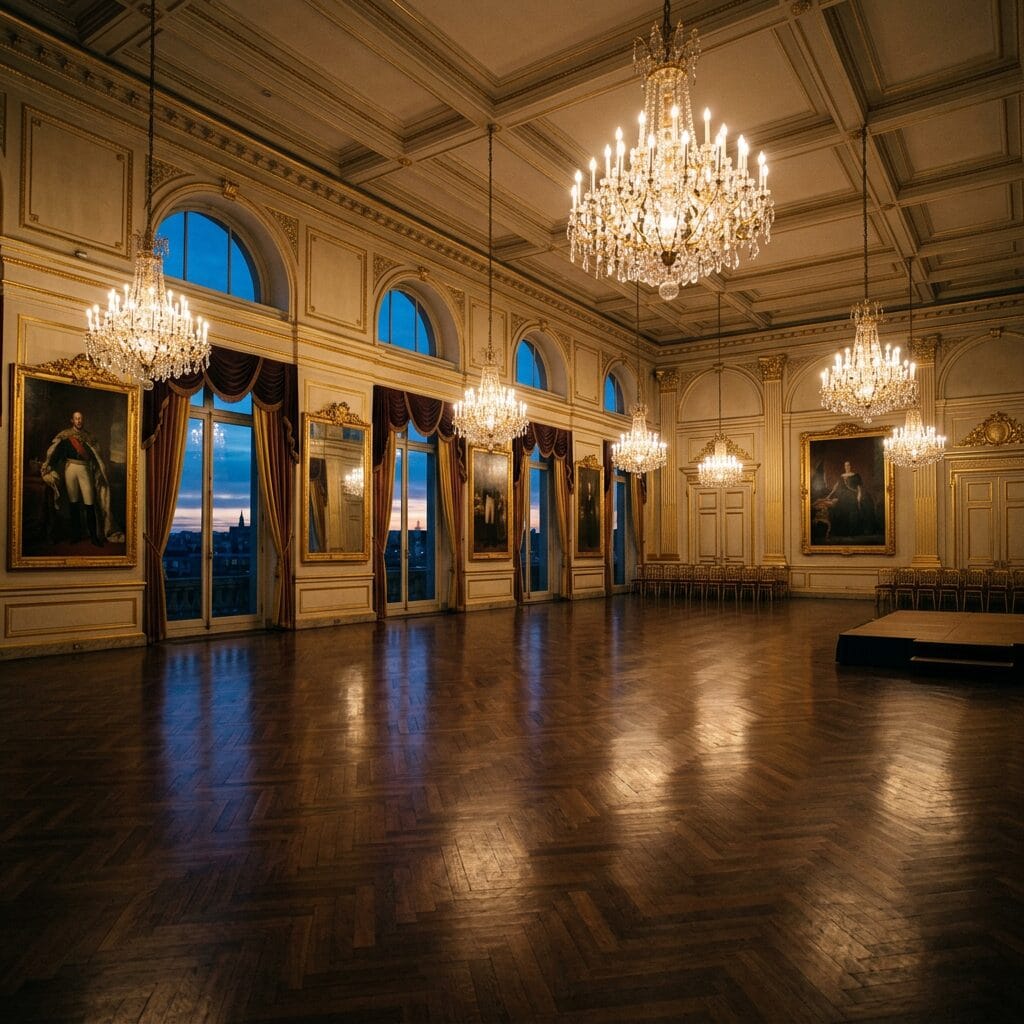
That is the political problem now forming around Donald Trump’s White House ballroom plan. At a time when Americans are dealing with high gas prices, inflation pressure, and economic anxiety tied to the Iran war, Trump keeps returning to one of his favorite subjects: a grand ballroom at the White House.
To his allies, it is legacy-building.
To many voters, it risks looking like vanity with a marble floor.
The Optics Are Brutal
Politics is often about timing, and the timing here could hardly be worse.
Families are paying more at the pump. Grocery bills remain painful. The Iran war has pushed energy markets into crisis mode. Republicans are heading into a difficult midterm season. And the president is repeatedly talking about a ballroom, an arch, and capital renovations as if the country’s main problem is architectural ambition.
That contrast is deadly.
When voters feel financially squeezed, they do not want a sales pitch for grandeur. They want evidence that the person in charge understands their pain.
“Legacy” Sounds Different When Gas Is Expensive
The White House may call the ballroom a legacy project, not a vanity project.
But the public will decide what it looks like.
Legacy can be powerful when a country feels confident, prosperous, and united. In a crisis, it can look self-indulgent. A president discussing construction plans while people struggle with fuel costs risks sending a simple message: he is building monuments while everyone else is counting dollars.
That is exactly the image Democrats want to paint.
And Trump is making it easier for them.
Republicans Know This Is a Problem
The most telling criticism is not coming only from Democrats.
Some Republicans are clearly worried that Trump’s focus on the ballroom is sucking up political oxygen that should be spent on the economy. That matters because midterm elections are not won by satisfying the president’s personal sense of grandeur. They are won by convincing voters that the party in power is focused on their lives.
Right now, the ballroom gives Democrats a clean attack line: Trump is talking about his building project while Americans are talking about prices.
That is not a hard message to understand.
The Private-Money Argument Only Goes So Far
Trump says the ballroom is being funded through private money and his own contributions.
That may soften some criticism, but it does not erase the problem. First, there are still major questions around related security costs. Second, politics is not only about accounting. It is about attention, priorities, and symbolism.
Even if the ballroom itself is privately funded, voters may still ask why the president seems so emotionally invested in it while showing less visible concern for economic hardship.
A project can be privately funded and still politically tone-deaf.
The Security Bill Makes It Worse
The Secret Service request for major taxpayer-funded security upgrades tied to the ballroom and White House complex made the issue even more politically explosive.
That detail changes the public conversation. Suddenly the question is not only whether Trump wants a grand ballroom. It is whether taxpayers could be asked to fund huge security enhancements around that project while inflation and fuel prices are already hurting households.
Even Republicans balked.
That tells you how politically risky this has become.
Trump’s Real Weakness Is Empathy
The deeper issue is not architecture.
It is empathy.
Trump’s response to economic pain has often been to declare victory, boast about the stock market, cite foreign investment, and insist conditions are better than critics say. But voters do not experience the economy through press releases. They experience it through gas receipts, rent, groceries, insurance bills, and credit-card balances.
When a president appears to brush off that pain, even temporarily, the damage sticks.
Especially when he keeps returning to a project that looks designed for prestige rather than relief.
The Iran War Has Made Everything More Politically Dangerous
The ballroom controversy would be easier for Trump to manage in a calm economy.
But this is not a calm economy.
The Iran war has pushed up fuel costs, disrupted energy routes, and made inflation harder to control. That means the public is already primed to connect foreign policy decisions with domestic economic pain. If Trump continues to minimize that pain while promoting legacy projects, the issue becomes bigger than one building.
It becomes a symbol of misaligned priorities.
Democrats Have a Simple Message
Democrats do not need to overcomplicate this.
Their argument is obvious: Americans are paying too much, and Trump is focused on a ballroom.
That is the kind of political contrast campaigns love. It is visual, emotional, and easy to repeat. It does not require voters to understand budget procedure, tariff policy, or energy-market dynamics. It only requires them to see the mismatch between presidential attention and household struggle.
In politics, simple attacks often work because they feel true before they need to be explained.
The Monument President
Trump has always been drawn to visible power.
Buildings, arches, grand rooms, ceremonial spaces, branding, scale — these are not side interests for him. They are central to how he understands leadership. He likes physical proof of dominance. He likes projects that can be seen, named, photographed, and tied to him personally.
That instinct helped build his public identity.
But in a presidency, it can become a liability.
A country in economic pain may not want a builder-president talking about monuments. It may want a president who sounds like he is fighting for household relief.
The Midterm Risk Is Obvious
Republicans are already facing a difficult election environment.
Gas prices are high. Inflation is stubborn. The Iran war remains politically risky. Trump’s approval has been under pressure. In that setting, every unnecessary distraction hurts. A ballroom story does not help Republicans defend their record. It gives opponents another way to argue that the White House is not focused on working people.
That is why this matters.
The ballroom is not just a construction story. It is a midterm messaging problem.
The Meaning of the Moment
Trump may see the ballroom as a legacy project.
But voters may see something else: a president absorbed by grandeur while they absorb higher costs.
That is the danger. Not simply that the project exists, but that Trump keeps talking about it at a moment when economic anxiety should be his central political concern. Every mention makes the contrast sharper. Every construction-site visit gives critics more ammunition. Every dismissal of economic pain makes the ballroom look less like legacy and more like arrogance.
Presidents are judged not only by what they build.
They are judged by whether they understand what people are living through while they build it.
Right now, that is the problem Trump has created for himself.