


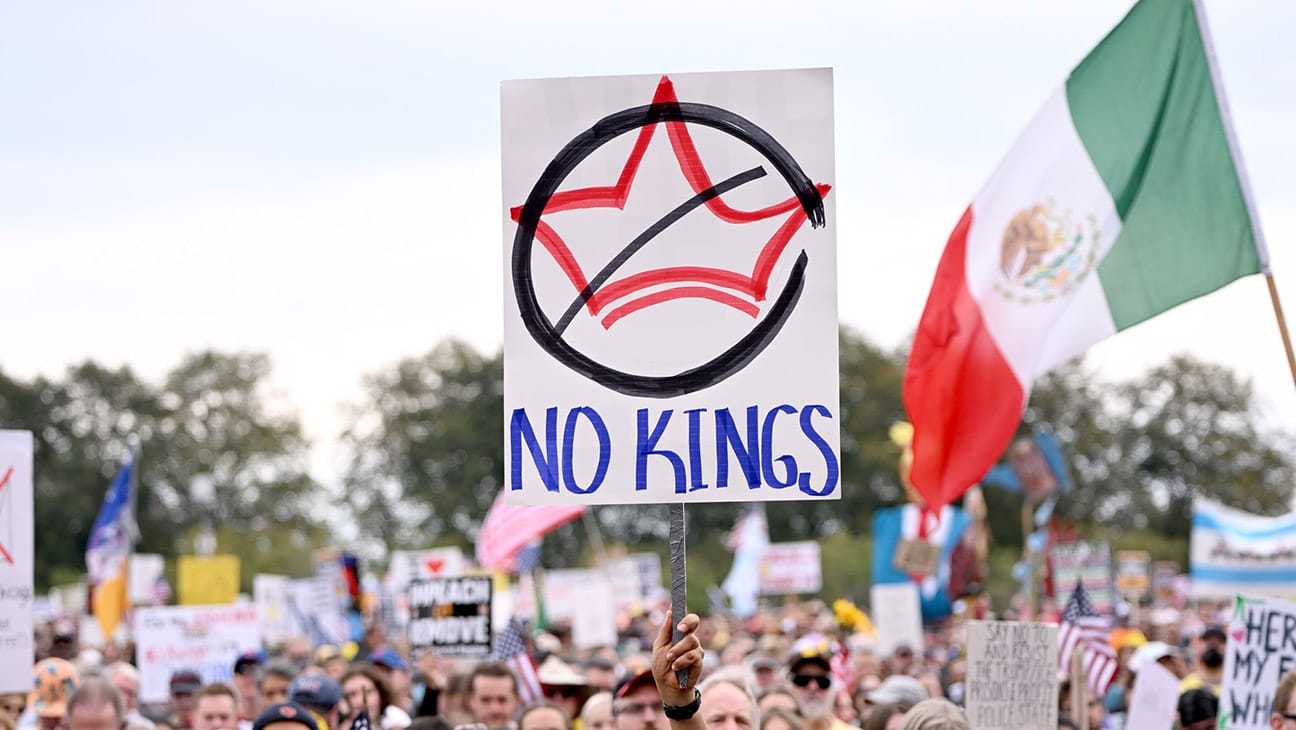
A new data-driven snapshot of American street politics suggests the country hasn’t “moved on” from the protest era — it has scaled it up. Since Donald Trump returned to office, the volume of demonstrations has remained high and, by some measures, outpaced the early period of his first term, signaling a sustained level of domestic tension rather than a brief spike.
What the numbers suggest
Recent protest-tracking analysis points to more than 10,700 protests in 2025, far above the 4,588 recorded in 2017 — a sharp jump that reflects not just episodic outrage, but a broader pattern of recurring mobilization. What’s even more notable is how widespread it’s become: protests have been reported across an overwhelming majority of U.S. counties, including many that voted for Trump.
The defining feature: protests aren’t just “big cities” anymore
Instead of being confined to coastal metros or Washington megamarches, this wave has looked diffuse and local — smaller-town mobilizations, regional flare-ups, and coordinated national days of action that show resistance organizing where people actually live, not only where cameras congregate.
The issues driving the street energy
The protest map has been broad and fast-changing, with repeated surges around:
- immigration enforcement and anti-ICE actions
- coordinated national protest days (“No Kings”–style mobilizations)
- culture/rights flashpoints (including trans healthcare)
- Gaza-related demonstrations
- backlash to high-profile corporate/political figures and institutions
In other words: it isn’t one movement. It’s a rolling coalition of grievances, often overlapping, often reactivating quickly.
Why this matters going into 2026
Sustained protest intensity usually means one thing: politics is moving outside the ballot box because large groups feel the normal channels aren’t working fast enough — or at all. That can produce real pressure on policy, but it also raises the national temperature: heavier policing, sharper polarization, more online misinformation, and a constant risk of escalation or backlash.
Bottom line: The protest surge isn’t fading into history — it’s becoming a feature of the current era. The U.S. is now living in a “high-mobilization” political climate, where street action stays active and organized, and where the next flashpoint is never far away.