



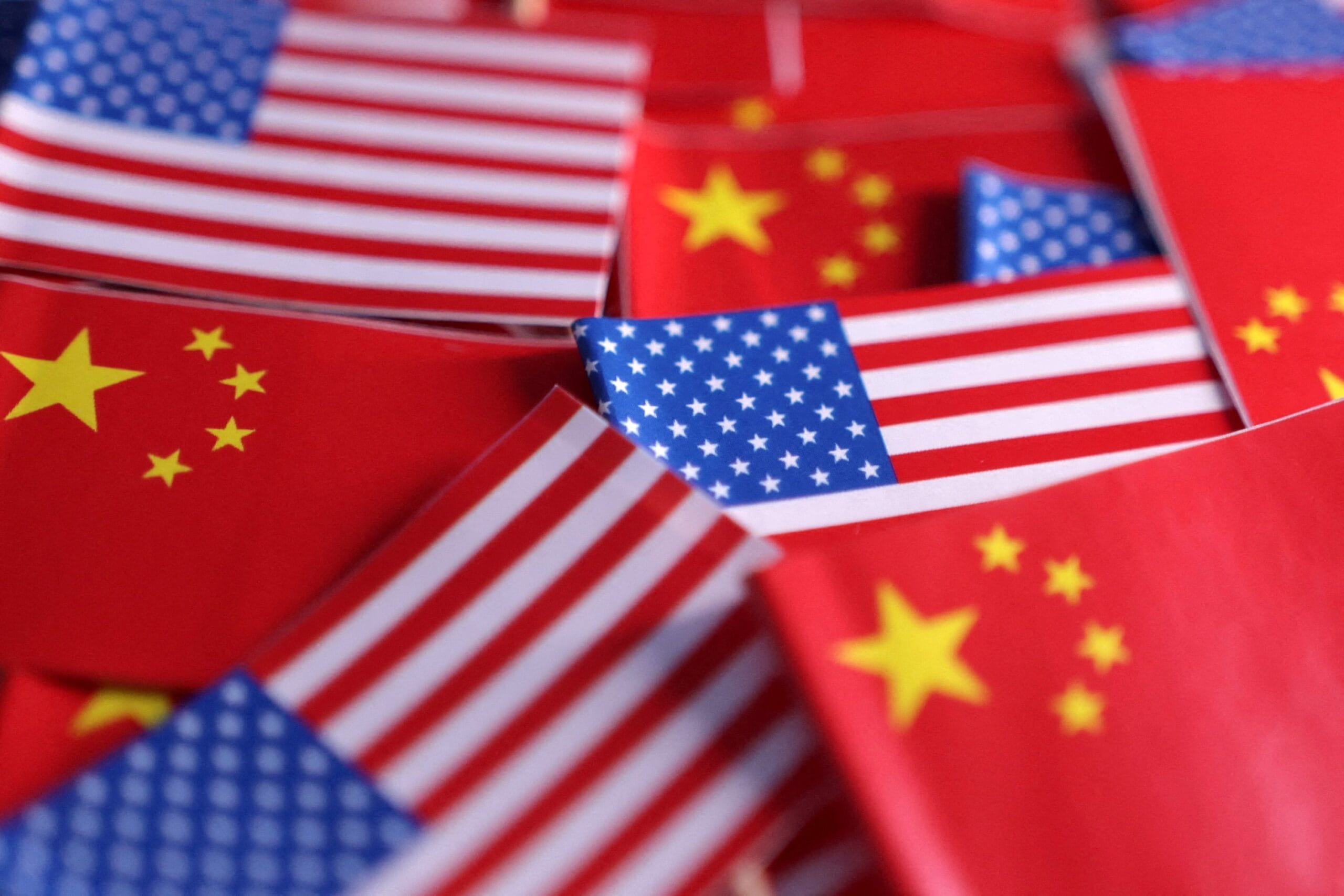
China has announced sanctions on U.S. defense firms and individuals in response to U.S. arms sales to Taiwan—another turn in the now-familiar cycle where Taiwan policy triggers diplomatic retaliation and escalatory signaling.
This is Beijing’s standard playbook: when Washington approves weapons packages or support tied to Taiwan’s defense, China responds with measures meant to raise the cost—politically, commercially, and reputationally—for the U.S. defense ecosystem involved.
What these sanctions are really for
Even if some targeted firms have limited direct business in China, the sanctions serve multiple purposes:
- Message discipline: a reminder that Taiwan is treated as a “core interest” and red-line issue.
- Deterrence signaling: an attempt to discourage future deals by adding friction and uncertainty.
- Domestic politics: showing strength at home by “answering” U.S. moves.
- Diplomatic leverage: expanding the list of grievances that can be traded in negotiations later.
Why the Taiwan file stays combustible
Arms sales sit at the intersection of three competing priorities:
- The U.S. wants Taiwan capable of deterrence and self-defense.
- Taiwan wants credible security support as pressure from China rises.
- China views external military support as interference and a challenge to its sovereignty claims.
That triangle keeps producing the same pattern: support, backlash, counter-backlash.
What to watch next
The important question is not whether sanctions were announced, but how the situation evolves:
- Do sanctions expand or remain mostly symbolic?
- Does Washington respond with more approvals or stronger language?
- Does Beijing pair sanctions with military demonstrations or economic pressure?
For now, the takeaway is straightforward: Taiwan remains the sharpest edge of U.S.–China rivalry—and every arms deal is treated not as routine policy, but as a test of resolve.


