

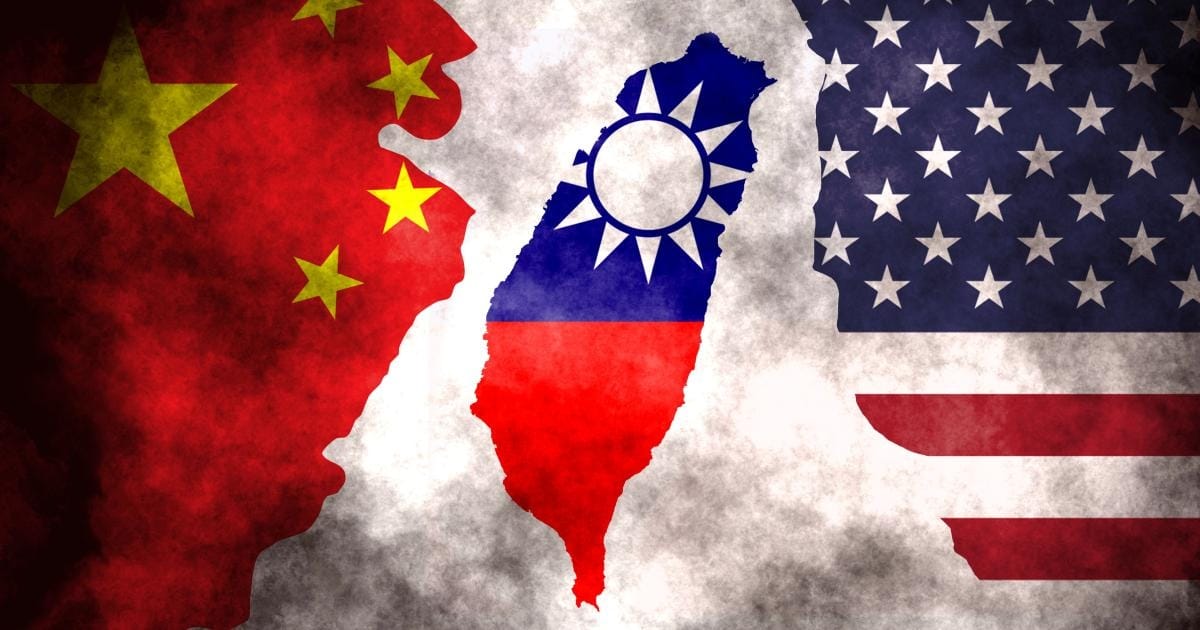
When the Trump administration announced what it described as a record $11.1B weapons package for Taiwan, it didn’t just move hardware—it moved headlines, alliances, and anxieties. The deal landed like a thunderclap in an already-charged relationship between Washington and Beijing, and China’s pushback was swift, loud, and unsurprising.
At the center of this story is an old, unresolved question: How do you help Taiwan defend itself without tipping the region into open conflict? For decades, U.S. policy has tried to walk that tightrope—supporting Taiwan’s ability to deter coercion while avoiding formal commitments that could trigger a direct confrontation. Arms sales have become one of the most visible tools in that balancing act.
Why the package mattered
“Record” is a political word as much as a financial one. In practical terms, a package of this size signals a few things at once:
- Deterrence as strategy. Taiwan’s defense posture is often framed around making any attempt to force unification by military means costly and uncertain. Big-ticket arms packages are meant to reinforce that calculus.
- Reassurance to Taipei. These announcements are a form of support that Taiwan can point to—externally to discourage intimidation, and internally to show that it isn’t isolated.
- A message to the region. Allies and partners watch these decisions closely. Whether they see it as stability-building or escalation depends on where they sit—and what they fear most.
Even without a detailed inventory, the broad intent is easy to read: improve Taiwan’s ability to survive the opening days of a crisis, protect key infrastructure, and complicate an adversary’s plans.
Why China pushed back so hard
From Beijing’s perspective, Taiwan is not a normal security partner; it’s a core sovereignty issue. That’s why arms sales—especially large ones—trigger a familiar set of objections:
- “Interference” framing. China portrays U.S. support as meddling in internal affairs rather than a regional security measure.
- “Encouragement” argument. Beijing often claims that foreign military support emboldens pro-independence sentiment in Taiwan, even if Taiwan’s leaders are emphasizing defense, not declaration.
- Credibility and control. Pushback isn’t only about the equipment; it’s about enforcing red lines and signaling resolve to domestic audiences and regional rivals.
The result is a recurring cycle: U.S. approves support → China condemns and threatens consequences → tensions rise → both sides interpret the other’s reaction as proof they were right.
The strategic dilemma underneath
Here’s the uncomfortable truth: both sides argue they’re preventing war. The U.S. case is that strengthening Taiwan reduces the chance of coercion or miscalculation. China’s case is that such moves increase the chance of miscalculation by changing Taiwan’s expectations and the U.S. footprint.
This is what makes the issue so combustible. Arms packages are not purely military transactions; they’re symbols of alignment, and symbols travel faster than ships.
What happens next
After an announcement like this, the next chapter tends to follow a recognizable script:
- Diplomatic retaliation (statements, summoning officials, pauses in dialogue)
- Military signaling (exercises, patrols, or demonstrations near sensitive areas)
- Economic or administrative pressure (targeted measures meant to show capability without triggering outright rupture)
The real risk isn’t only escalation by design—it’s escalation by rhythm. When every step has an expected counterstep, the space for de-escalation shrinks.
The bottom line
A record-sized U.S. weapons package for Taiwan isn’t just a procurement story. It’s a reminder that the Taiwan Strait is where big-power strategy becomes personal, political, and perilously reactive. For Washington, it’s deterrence and commitment. For Beijing, it’s sovereignty and control. For Taiwan, it’s survival and uncertainty—living between reassurance and retaliation.

