


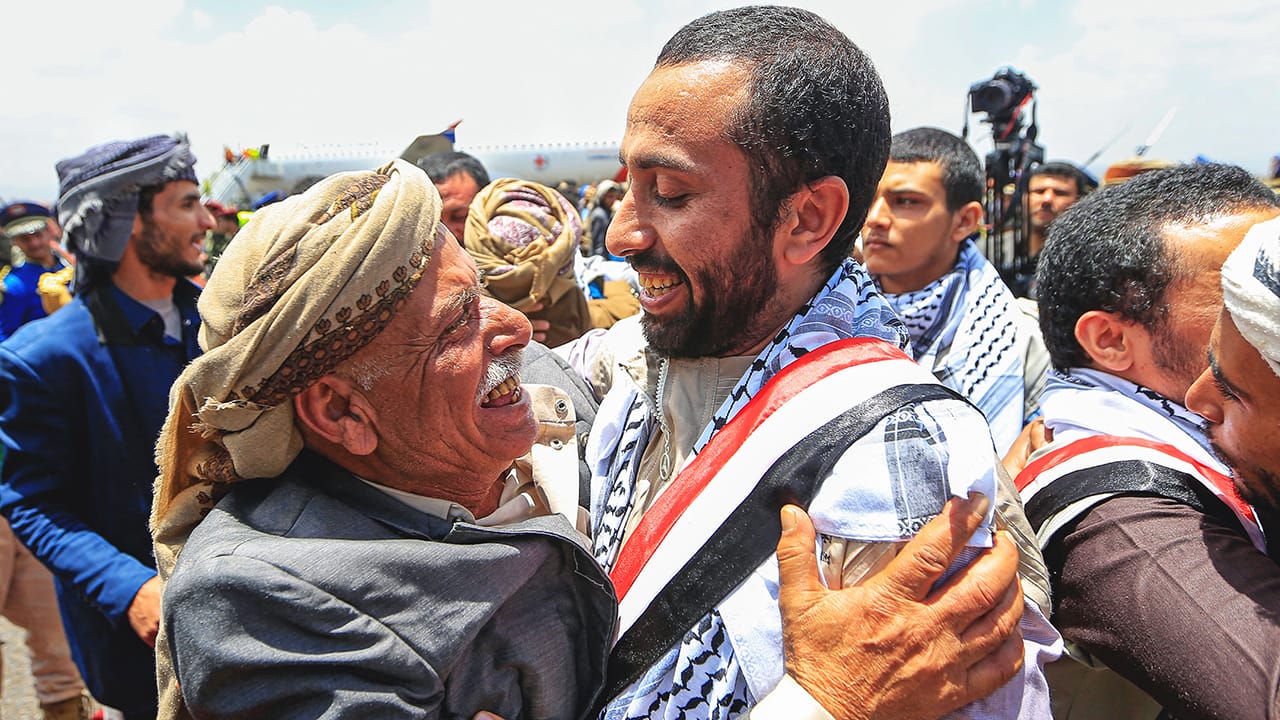
In a rare moment of movement after years of grinding conflict, Yemen’s government and the Houthis have reportedly agreed to release about 2,900 detainees, described as the largest exchange of the war.
For a conflict that’s often measured in stalemates and setbacks, prisoner swaps matter because they’re one of the few actions that immediately change real lives. Thousands of families who have lived in uncertainty—missing relatives, unconfirmed reports, silent phone lines—may finally get answers.
Why big exchanges matter
Even when frontlines don’t shift, exchanges can signal a few important things:
- Channels are open. Someone is talking, negotiating, verifying names, coordinating logistics.
- Trust is being tested. These deals are fragile, and follow-through becomes a measure of credibility.
- Humanitarian space expands. If this works, it can create momentum for other steps—access, ceasefire terms, localized de-escalation.
It’s also a reminder that wars aren’t only fought with weapons. They’re fought with detention, leverage, and bargaining chips—where human beings become part of the negotiation landscape. That’s what makes releases so emotionally powerful, and also so politically charged.
The hard truth
A detainee exchange doesn’t end a war. It doesn’t rebuild collapsed services, resolve power struggles, or heal years of trauma. But it can lower the temperature, even briefly—and it can prove that agreements are still possible.
If this exchange happens as described, it will be one of the clearest signs in a long time that the Yemen conflict still has pathways—however narrow—toward negotiation instead of perpetual escalation.