



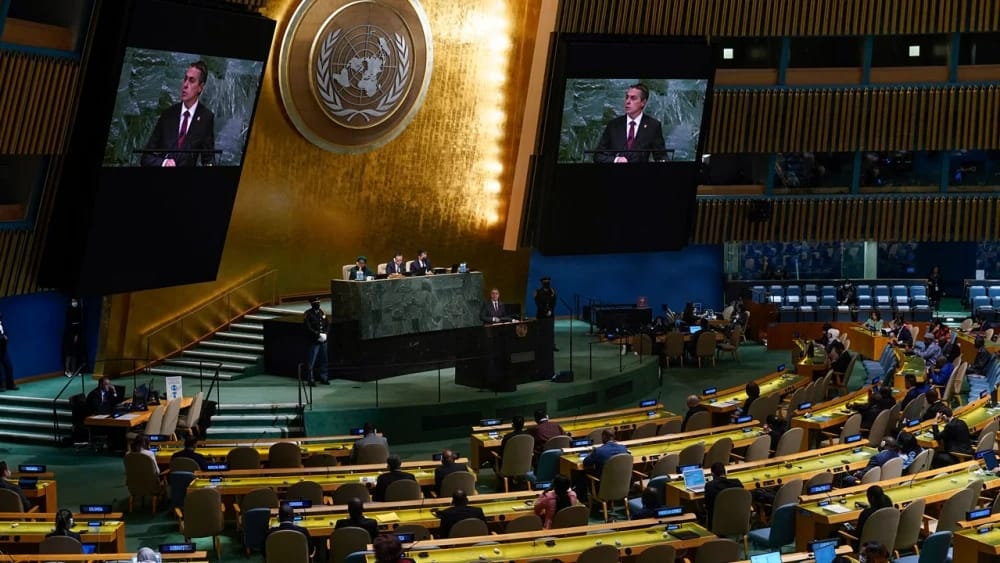
The United States has pledged $2 billion to support humanitarian assistance through a new UN-linked delivery mechanism, a move framed as a way to channel help more efficiently and predictably. At the same time, some of the world’s biggest crises are still expected to be handled outside this mechanism—highlighting the tension at the heart of modern aid: coordination versus politics, and efficiency versus flexibility.
What a “new mechanism” is trying to fix
Humanitarian aid often suffers from the same recurring problems:
- money arrives late, after emergencies peak
- agencies compete rather than coordinate
- logistics become fragmented across dozens of pipelines
- donors worry about leakage, duplication, and accountability
A centralized or semi-centralized mechanism is meant to reduce that chaos. Ideally, it:
- pools funding so responses can scale faster
- standardizes oversight and reporting
- matches aid to needs with clearer planning
- reduces duplication between agencies
The U.S. pledge matters because big commitments can turn a mechanism from a concept into a functional system—creating predictable funding that helps agencies plan beyond the next headline.
The catch: not all crises fit neatly inside one pipeline
The note that some major crises will be handled outside the mechanism is not a footnote—it’s the reality of humanitarian work.
Certain emergencies become exceptions because of:
- political constraints (sanctions, contested authorities, diplomatic sensitivities)
- security conditions (aid access controlled by armed groups or active conflict)
- operational urgency (some responses move faster through existing bilateral or specialized channels)
- trust and verification concerns (donors may want tighter control in high-risk contexts)
So even as donors push for streamlined aid delivery, they still keep alternative routes open—especially for conflicts where access, legitimacy, and accountability are contested.
Why this pledge matters anyway
Even with exceptions, a UN-linked mechanism can still reshape the aid landscape by:
- stabilizing funding for under-covered crises
- improving coordination where access is possible
- reducing waste and overlap in multi-agency responses
- creating a clearer “default” system that can be scaled quickly
In a world where humanitarian needs keep rising and donor fatigue keeps growing, mechanisms that speed up delivery and improve transparency become increasingly attractive—even if they can’t solve politics.
Bottom line
The $2B pledge is a big vote of confidence in a UN-linked approach to aid delivery. But the fact that major crises remain outside it is a reminder that humanitarian systems don’t fail only because they lack money—they fail because war, sovereignty, and security often decide where help can go, and under whose rules.


