



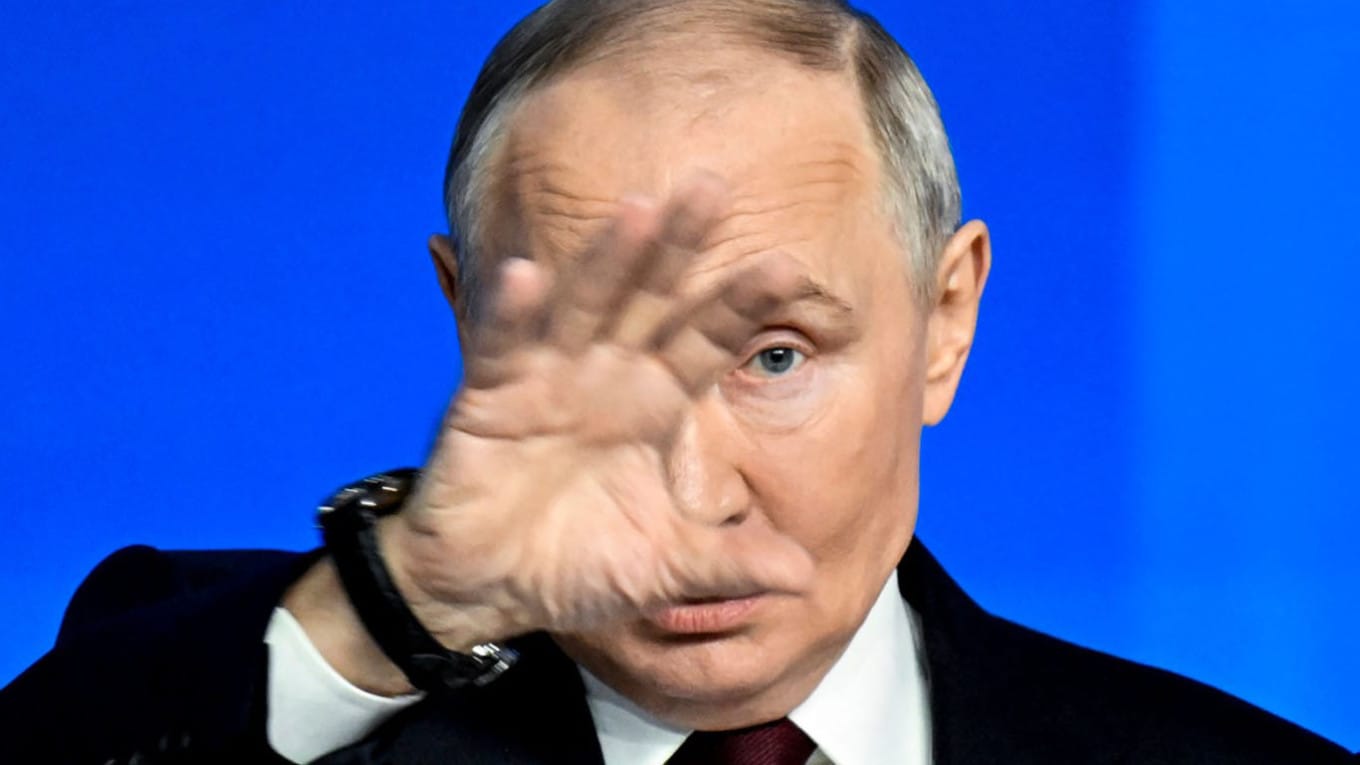
Vladimir Putin has signed legal changes that allow Russia to disregard certain foreign or international criminal-court rulings, deepening a trend that’s been building for years: insulating the state from legal decisions made beyond its borders.
On its face, this looks like a technical legal adjustment. In practice, it’s a political statement about sovereignty—one that says: Russia will not treat international criminal judgments as binding when they conflict with domestic law or state interests.
Why this matters
International courts rely on a simple reality: they don’t have a global police force. Their power comes from recognition and cooperation—states honoring warrants, sharing evidence, enforcing decisions, and accepting that some crimes are judged beyond national systems.
When a major country formally builds legal permission to ignore those rulings, it sends three signals:
- Protection for officials and allies
It makes it harder for international decisions to carry consequences at home, especially for state actors who might be targeted by foreign warrants or tribunal rulings. - A message to the domestic audience
This frames outside courts as politicized or hostile, reinforcing a narrative that external legal pressure is just another tool of geopolitical competition. - A warning to other states
Cooperation becomes riskier and less predictable. If Russia won’t recognize certain rulings, other countries may adjust how they engage—diplomatically, legally, and financially.
The broader trend: fragmentation of legal order
This also fits a wider global drift: an international system where rules exist, but enforcement increasingly depends on power blocs and alliances rather than shared universal acceptance. For supporters, that’s realism. For critics, it’s a step toward impunity—where accountability becomes optional for states strong enough to refuse it.
Bottom line
Russia’s legal changes aren’t just about court paperwork. They’re about who gets to judge, who has to listen, and whether international criminal accountability can function when major powers decide they can simply opt out.


