


When an authoritarian government releases political prisoners, it’s rarely just a humanitarian gesture. It’s a signal. A message. Sometimes, a bargaining chip.
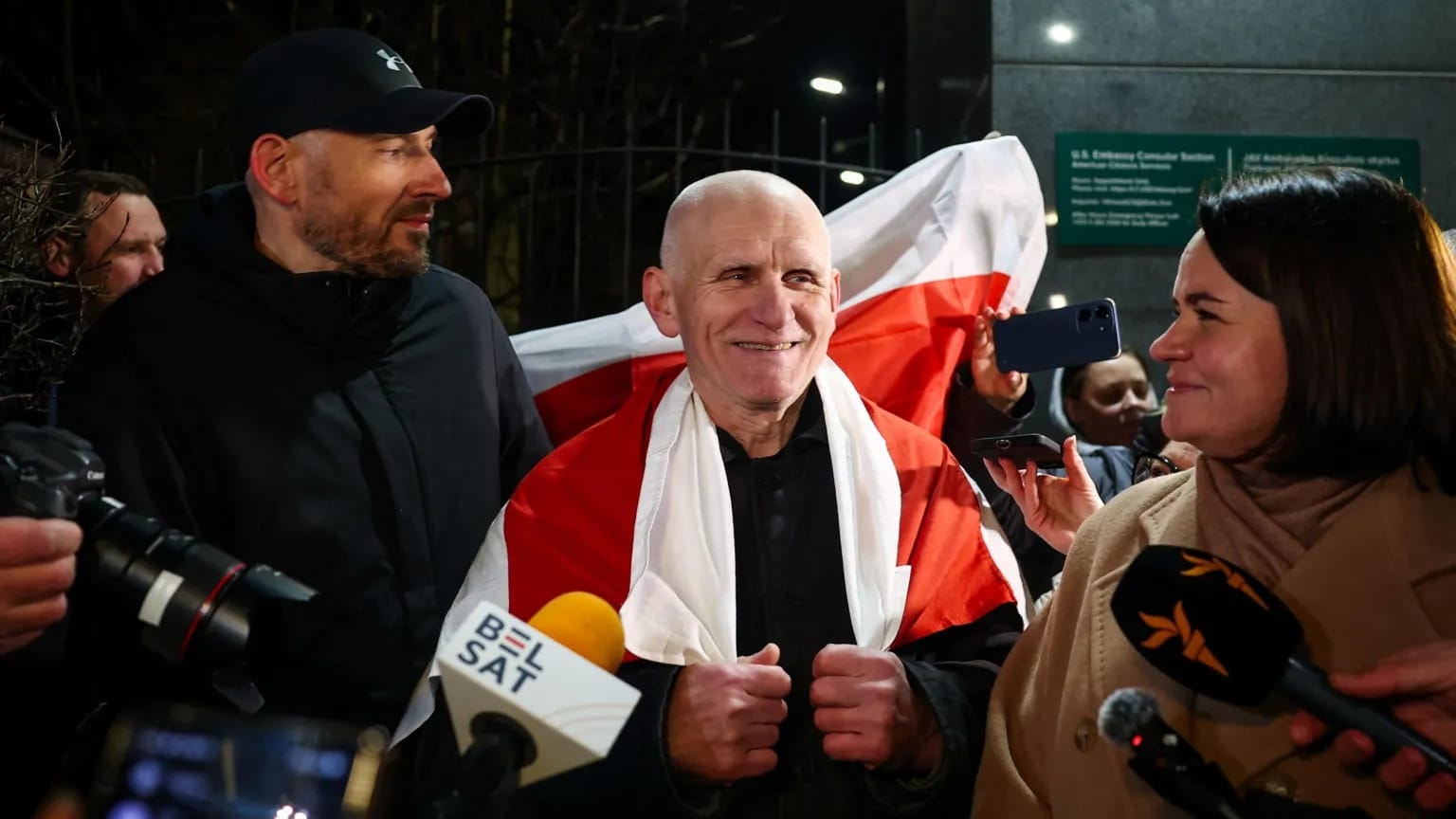
Belarus reportedly freed 123 prisoners, including Nobel Peace Prize laureate Ales Bialiatski and a number of well-known opposition figures. Some outlets framed the move as connected to a U.S.-linked sanctions and potash arrangement—a suggestion that adds a familiar geopolitical undertone: concessions in exchange for leverage.
Even without official clarity on the precise terms behind the scenes, the scale of the release and the profile of the detainees make this one of the most consequential developments in Belarus’s political landscape in years.
Who was freed—and why the names matter
A mass release of 123 people is significant on its own. But the inclusion of Ales Bialiatski elevates the moment.
Bialiatski isn’t just a prisoner of conscience—he’s a globally recognized human rights leader. His imprisonment became symbolic of Belarus’s crackdown on civil society: the attempt to criminalize monitoring, organizing, documenting abuses, and helping victims of repression.
Add prominent opposition figures to that list, and the release reads less like administrative housekeeping and more like a political event—an intentional recalibration.
In other words: this wasn’t random.
The “why now” question
Belarus has used arrests and releases as tools for years: pressure internally, then selectively ease pressure when it serves a strategic purpose externally.
That’s why timing matters.
A wave of releases can be aimed at multiple audiences at once:
- Domestic audience: to manage internal tension, reduce international scrutiny, or lower the temperature after periods of heightened repression.
- International audience: to signal “flexibility” and reopen channels—especially with Western governments that control sanctions, trade access, and diplomatic legitimacy.
- Regional players: to align with (or distance from) the interests of Belarus’s most influential partners and neighbors.
One move, several messages.

The sanctions-and-potash angle
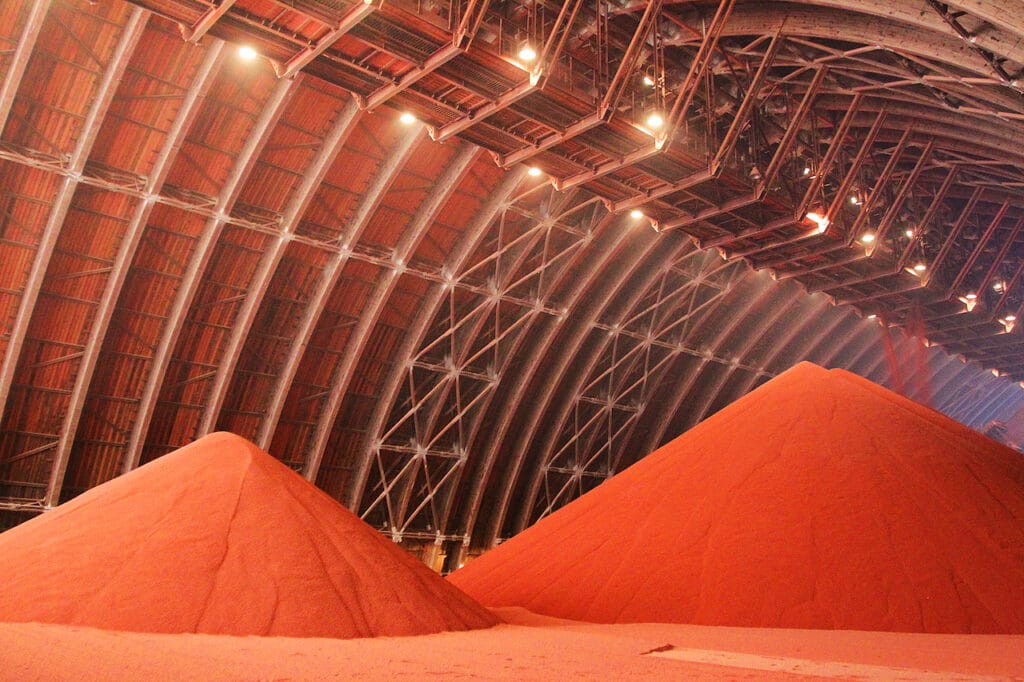
Some reporting tied the release to a rumored arrangement involving U.S. sanctions and potash—one of Belarus’s most economically important exports.
That linkage fits a well-known pattern: sanctions restrict revenue and trade; a government seeks relief; human beings become part of the negotiating currency.
If that interpretation is accurate, the logic is straightforward:
- Belarus offers a high-visibility concession: releasing prisoners with international recognition.
- It invites a reciprocal concession: easing sanctions, expanding trade carve-outs, or enabling specific commodity flows.
- Both sides can frame the outcome as pragmatism: humanitarian progress on one hand, economic or geopolitical stability on the other.
But it’s also ethically thorny. If releases are traded for economic relief, it risks encouraging a cycle where arrests create bargaining inventory for future deals.
What this release changes—and what it doesn’t
It’s worth holding two thoughts at once:
1) It changes real lives immediately
For the 123 people freed, this is not abstract politics. It’s reunions, medical care, breathing room, the return of a future that had been taken away.
For human rights defenders and families, it’s proof that pressure—public and private—can move the needle.
2) It doesn’t automatically mean systemic reform
A mass release can happen without a meaningful shift in state behavior. In authoritarian systems, you can see releases alongside:
- continued surveillance and harassment,
- fresh arrests down the line,
- new legal mechanisms to re-tighten control,
- “conditional freedom” that restricts speech, travel, or activism.
In other words, a release can be both genuinely positive and strategically calculated.
The bigger question: is this a pivot or a tactic?
The key test is what comes next.
If the release is part of a broader shift, you’d expect to see:
- additional prisoner releases,
- easing of restrictions on civil society,
- reduced crackdowns on media and protest activity,
- more substantive engagement with international bodies on rights issues.
If it’s primarily a tactic, you might see:
- a short-term thaw designed to extract concessions,
- a return to repression once the pressure eases,
- selective re-arrests or new cases built on similar charges.
The distinction matters because it determines whether this moment becomes a turning point—or just an episode.
Why potash keeps showing up in the story
Potash sounds technical, but it’s political power in commodity form. For Belarus, it represents export earnings, hard currency, jobs, and leverage in economic diplomacy. When sanctions hit a core export, they don’t just punish elites—they reshape a government’s options.
That’s why potash is often at the heart of any discussion about sanctions relief. And it’s why any rumor tying human rights concessions to potash arrangements feels plausible to observers: it connects the country’s economic pressure point with a high-value political concession.
What to watch now
If you’re trying to understand whether this is a one-off or the beginning of something larger, keep an eye on:
- Are there more releases? Especially of remaining high-profile detainees.
- Do charges get dropped or just paused? Freedom without legal closure can be fragile.
- Do ex-prisoners face restrictions? Travel bans, reporting requirements, or gag-like conditions.
- Do Western governments respond? Any changes in sanctions posture, carve-outs, or diplomatic signals.
- Does the pattern of arrests change? The fastest way to undercut a “humanitarian” narrative is to refill prison cells.
Bottom line
Belarus freeing 123 prisoners, including Ales Bialiatski and opposition figures, is a major event—humanly and politically. It offers relief and hope, but also raises uncomfortable questions about what might have been exchanged behind the curtain, especially with talk of sanctions and potash in the background.
For now, the best way to read it is as both: