


China is easing a major pressure point for Canadian exporters — but only partly, and with the biggest canola question still hanging.
Beijing announced it will suspend some tariffs on Canadian agricultural products starting March 1, 2026, following Prime Minister Mark Carney’s January visit to China and his push to stabilize the bilateral trade relationship.
What China is suspending (and when)
China’s finance ministry said the changes will run from March 1 through the end of 2026:
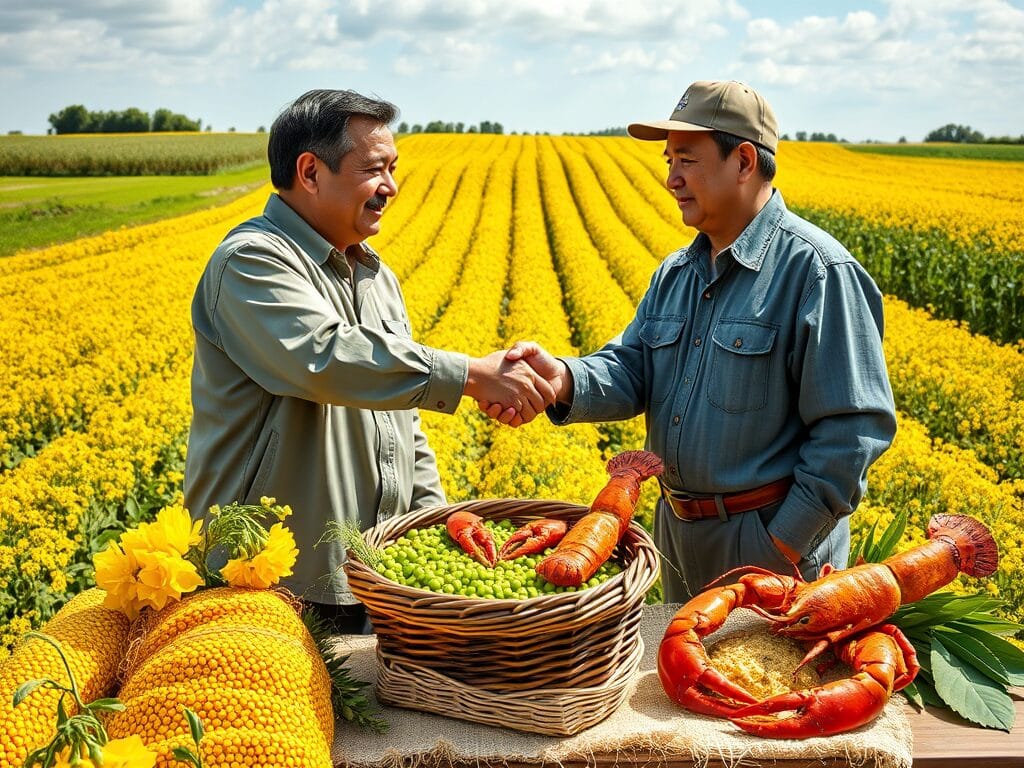
- Canola meal: 100% tariff suspended
- Peas: 100% tariff suspended
- Lobster: 25% tariff suspended
- Crab: 25% tariff suspended
For Canadian farmers and seafood exporters, that’s immediate relief — especially for products that had become collateral damage in a wider political and trade dispute.
The missing piece: canola seed tariffs weren’t included
What China didn’t say may matter more than what it did.
The announcement did not mention canola seed tariffs, which Canada had expected would be reduced by March 1. Ottawa had been anticipating a drop to a combined rate of about 15%, down from the current 84%.
That uncertainty is now pushed into the next checkpoint: China’s investigation into Canadian canola is scheduled to conclude on March 9. If the probe ends with a formal reduction, it would unlock the biggest prize for Prairie producers.
Why this matters for Canada
China is a huge destination for Canadian canola — in fact, it was Canada’s second-largest canola market in 2024. When tariffs spike, the impact doesn’t stay on farms; it hits crushers, shipping, and pricing across the supply chain.
Suspending the tariff on canola meal is also strategically important: meal exports can be a key outlet when seed trade gets complicated, and restoring that flow helps stabilize demand.
What’s still unclear
China’s statement also did not mention other products that have been part of the broader trade tension, including canola oil and pork. That leaves room for more changes — but also more uncertainty for exporters planning spring and summer shipments.
The geopolitics behind the trade move
This partial thaw comes at a moment when global trade alliances are under strain, especially as U.S. trade policies have pressured traditional relationships. China has been signaling it wants to be seen as a more predictable economic partner — and Canada appears to be testing what a less U.S.-dependent trade posture could look like.
Carney’s January trip also included a major economic signal in the other direction: Canada pledged to allow up to 49,000 Chinese electric vehicles into Canada at a 6.1% tariff under most-favoured-nation terms — a sign Ottawa is willing to negotiate big, tangible trade terms, not just talk.
Bottom line
China’s tariff suspensions are a meaningful win for Canadian agriculture and seafood — but they’re also a reminder that the relationship is being rebuilt in pieces.
The near-term watchpoints are clear:
- March 1: suspensions begin
- March 9: China’s canola probe concludes (and canola seed tariffs may finally be addressed)
Until then, Canada gets partial relief — and one very large canola question mark.