


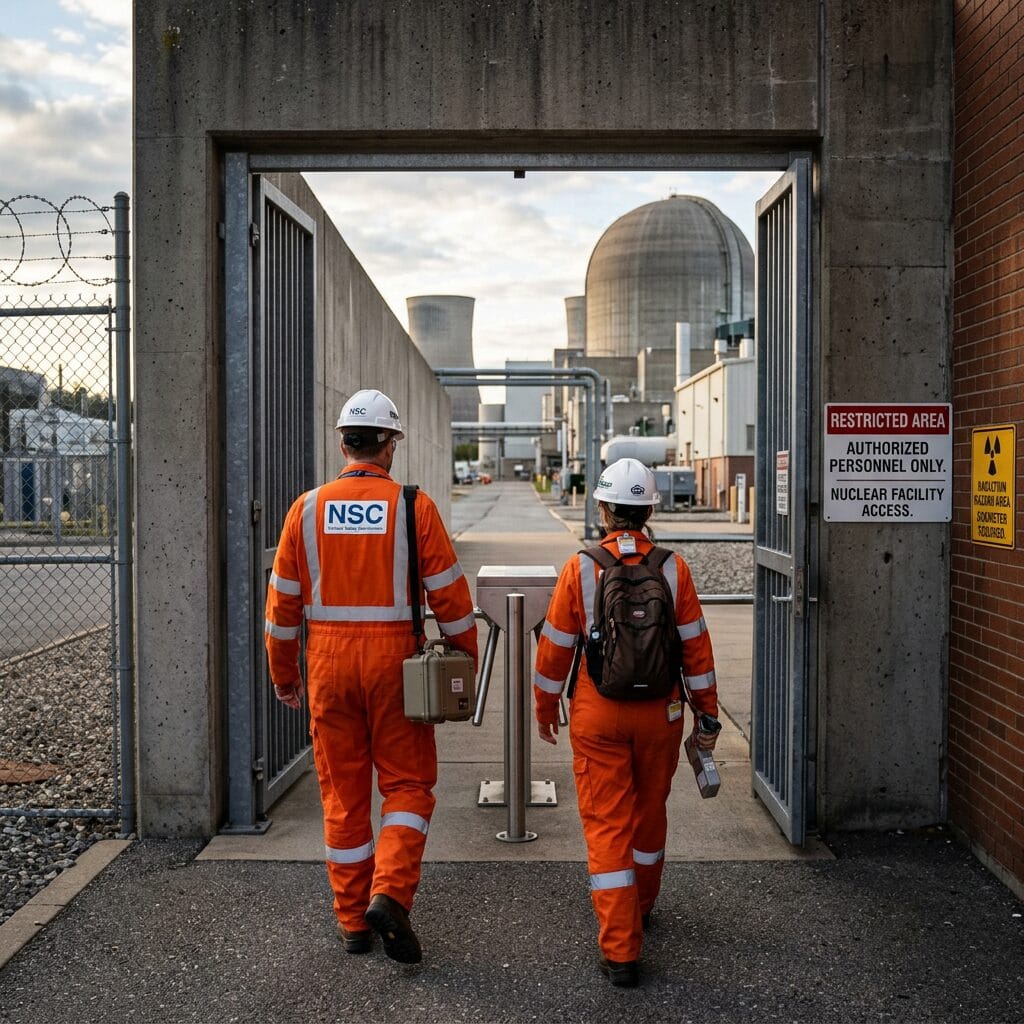
Diplomacy often begins with something simple.
Not a grand treaty. Not a historic handshake. Not a dramatic summit.
Just inspectors walking through a door.
That is why the latest announcement from the International Atomic Energy Agency (IAEA) matters. The agency says inspections of Iran’s nuclear facilities will move forward, with technical teams working through the practical arrangements needed to restart monitoring activities.
On the surface, it sounds procedural.
In reality, it could become one of the most important developments in efforts to reduce tensions between Iran and the West.
Verification Is the Foundation of Every Nuclear Deal
The world has spent decades arguing about Iran’s nuclear ambitions.
Governments have disagreed about sanctions, diplomacy, military pressure, and regional security. Yet one point has remained remarkably consistent: no agreement can survive without verification.
Trust alone is not enough.
Countries do not build nuclear agreements around promises. They build them around inspections, monitoring systems, reporting mechanisms, and independent verification. Without those safeguards, every claim becomes political and every disagreement becomes a crisis.
That is why the return of inspections matters.
It provides facts in a space often dominated by suspicion.
The IAEA Sits at the Center of the Process
The IAEA occupies a unique role in global diplomacy.
It is neither an Iranian institution nor an American one. Its purpose is to act as an independent technical body capable of verifying nuclear activities and reporting its findings to the international community.
That role becomes especially important during periods of tension.
When political leaders disagree, independent inspections can help establish a shared understanding of reality. They do not solve political disputes, but they can reduce uncertainty.
And in nuclear diplomacy, reducing uncertainty is often the first step toward reducing conflict.
Technical Details Often Decide Political Outcomes
Many people imagine diplomacy as speeches and negotiations.
In reality, major agreements are often determined by technical details.
Where can inspectors go?
How often can facilities be monitored?
What information must be provided?
What equipment will be used?
How quickly can concerns be investigated?
These questions may sound boring compared with geopolitical headlines, but they are often the difference between a successful agreement and a failed one.
The current discussions about “modalities” are not bureaucratic distractions.
They are the architecture of verification.
Both Sides Need Something Different
Iran and the international community approach inspections from different perspectives.
Iran wants recognition of its rights, relief from pressure, and respect for its sovereignty. It also wants assurances that monitoring activities will not be used for political purposes.
Western governments and regional powers want confidence that Iran’s nuclear activities remain transparent and subject to meaningful oversight.
Neither side gets everything it wants.
That is the nature of diplomacy.
The challenge is finding a balance that provides sufficient transparency without becoming politically unacceptable to either side.
Transparency Helps Markets Too
Nuclear diplomacy does not only affect governments.
It affects economies.
Every escalation in the Iran nuclear dispute creates uncertainty across energy markets, shipping routes, investment decisions, and regional business activity. Every sign of progress tends to have the opposite effect.
Inspections are important because they help create predictability.
Investors prefer facts to speculation. Markets prefer verification to rumors. Businesses prefer stability to uncertainty.
A functioning inspection regime may not generate headlines every day, but it can quietly reduce risk throughout the global economy.
The Hard Part Comes After Access Is Granted
Allowing inspections is one thing.
Sustaining them is another.
Many diplomatic efforts begin with optimism and then encounter difficulties during implementation. Disputes emerge. Questions arise. Political pressures increase. New crises develop.
The real test of any inspection system is not whether it starts.
It is whether it continues functioning during moments of disagreement.
A durable verification process must be strong enough to survive political turbulence.
Regional Tensions Have Not Disappeared
Even if inspections proceed smoothly, the broader geopolitical environment remains complicated.
Questions surrounding regional security, military alliances, sanctions, and proxy conflicts continue to shape relations between Iran and its rivals. None of those issues disappear simply because inspectors return.
That is why expectations should remain realistic.
Inspections can lower tensions.
They cannot eliminate every source of tension.
Still, reducing one major source of uncertainty is far better than allowing uncertainty to grow unchecked.
Confidence Is Built Incrementally
One of the biggest mistakes in international affairs is assuming that trust appears suddenly.
It rarely does.
Trust is usually built through repeated actions, verified commitments, and consistent behavior over time. Every successful inspection contributes a little more confidence. Every resolved dispute adds another layer of credibility.
The process can feel slow.
But that is how durable diplomatic relationships are built.
Not through dramatic moments alone, but through reliable systems that continue working when headlines move elsewhere.
The Meaning of the Moment
The decision to move forward with nuclear inspections represents more than a technical development.
It is a signal that dialogue remains possible, even after years of mistrust and confrontation. Verification offers a path away from speculation and toward measurable facts. It gives diplomats something concrete to build upon and provides the international community with a clearer picture of reality.
The inspections themselves will not solve every dispute.
They will not erase political disagreements or guarantee a broader agreement.
But they can create something that has often been in short supply throughout the nuclear debate:
Confidence grounded in evidence.
And in international diplomacy, that may be one of the most valuable commodities of all.