



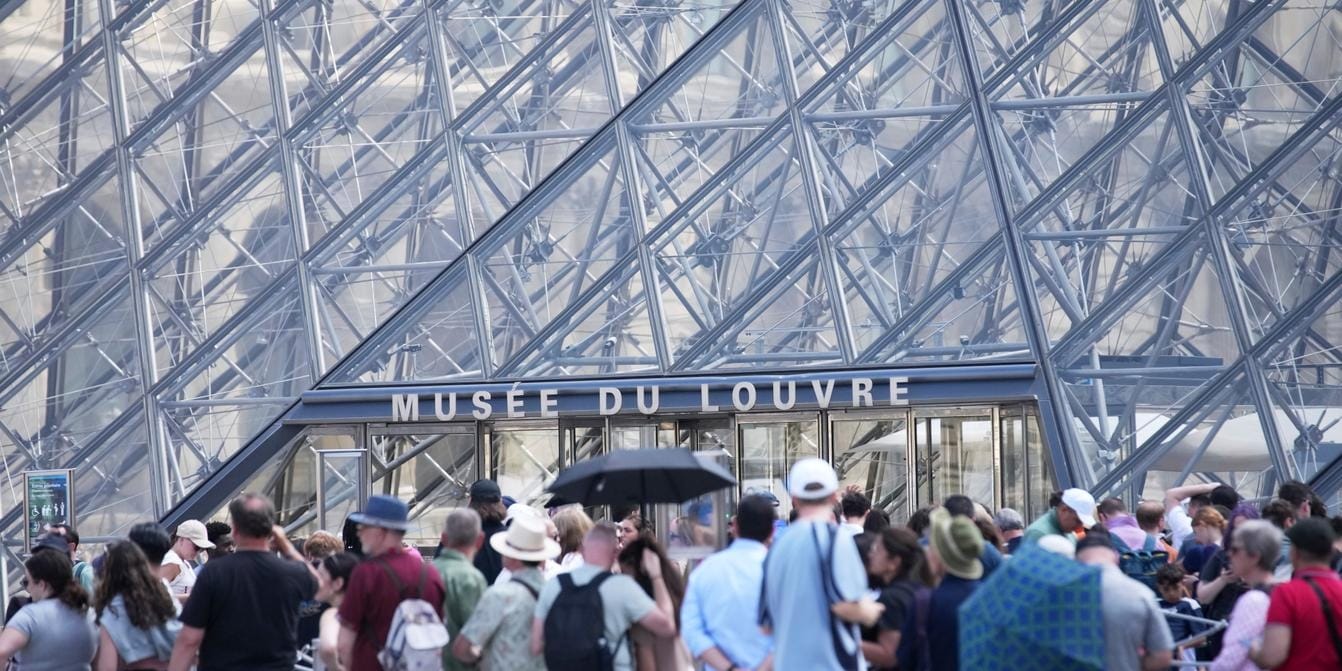
The Louvre—arguably the world’s most famous museum—delayed its opening on January 5 as staff met to decide whether to resume strike action over pay and working conditions. For visitors, it’s the kind of update that turns a carefully planned Paris day into uncertainty. For the museum, it’s a sign that workplace tensions are still simmering, with more disruption potentially ahead.
Why this hits harder than a typical strike
The Louvre isn’t just a museum; it’s an international travel anchor. People build itineraries around it months in advance. When doors don’t open on time, the ripple spreads instantly:
- ticketed entry schedules collapse into queues and rebookings
- tour operators scramble to reroute groups
- nearby businesses feel the knock-on effects
- travelers with tight timelines lose their “one must-do” slot
A strike threat at the Louvre doesn’t stay inside the building—it spills into the city’s tourism engine.
The staff’s case: pressure behind the masterpieces
Pay and working conditions in major cultural institutions often involve a particular kind of friction. The museum’s public image is prestige and permanence, but the day-to-day reality can include crowded galleries, security stress, staffing shortages, unpredictable surges of visitors, and the expectation that operations remain smooth no matter what.
When workers push back, the argument is usually not only about wages—it’s about workload, staffing levels, safety, and whether management is treating frontline staff as essential rather than invisible.
What visitors should do if traveling this week
If you’re in Paris (or heading there imminently), the practical approach is cautious flexibility:
- check the Louvre’s official updates before you leave your hotel
- keep a backup plan nearby (Tuileries, Musée de l’Orangerie, Musée d’Orsay, Palais Royal)
- consider off-peak or later-day entry if openings are delayed
- avoid stacking multiple timed reservations too tightly around the museum visit
Bigger picture: culture vs. labor, again
France has a long history of strikes as a tool for labor negotiation, and cultural institutions aren’t immune—especially when rising costs collide with tight public budgets and high visitor expectations. The Louvre’s delayed opening is a reminder that even iconic spaces depend on human systems that can strain.
For now, the immediate question is whether staff return to full operations—or whether Paris’ most famous museum becomes the latest symbol of a broader issue: a global tourism industry that demands flawless experiences, while many of the workers who deliver them are asking for better terms.


