


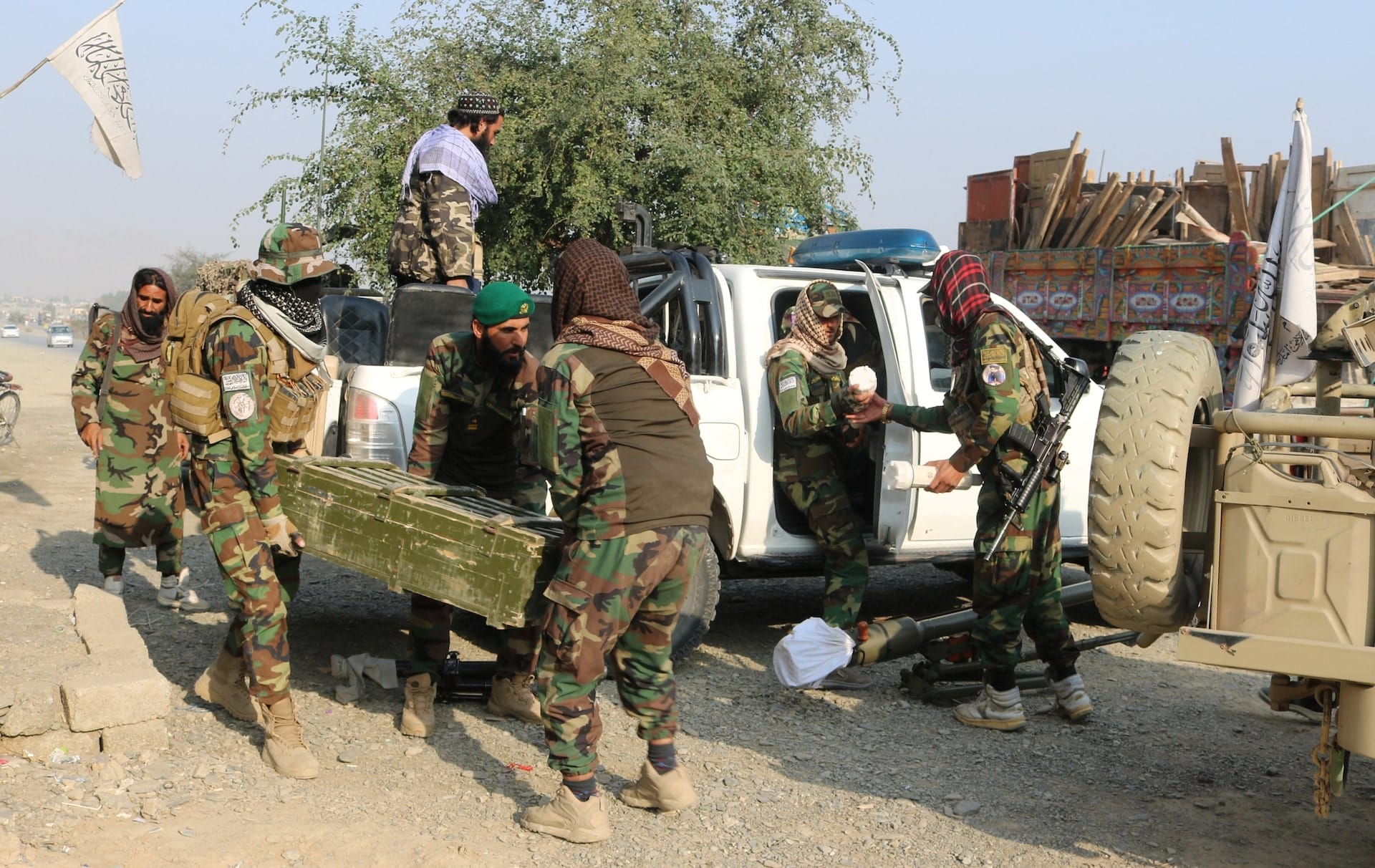
Pakistan launched strikes inside Afghanistan’s major cities overnight, hitting Kabul, Kandahar, and other locations as a long-simmering border confrontation with the Taliban authorities escalated sharply. Afghan officials said the attacks marked the first time Pakistan has directly targeted Taliban government-linked sites in major urban centers, a major shift from earlier episodes that focused more narrowly on militant hideouts along the frontier.
What happened
Afghan Taliban spokesman Zabihullah Mujahid said Pakistan struck parts of Kabul and Kandahar, along with other areas, and later described further strikes hitting provinces including Paktia, Paktika, Khost, and Laghman. In Kabul, Reuters witnesses reported loud blasts, the sound of jets, ambulances, and heavy smoke rising from multiple sites. One local resident told Reuters an ammunition depot was hit and secondary explosions continued as stored ordnance ignited.
Pakistan security sources said the strikes involved air-to-ground missile attacks against Taliban military offices and posts and were carried out in response to Afghan attacks the previous night.
How it escalated so fast
The latest violence followed Pakistani airstrikes on Afghan territory earlier in the week, which Afghanistan said triggered retaliatory attacks along the border. Afghanistan then launched what it called retaliatory strikes on Pakistani installations and posts, deepening the cycle of action and counteraction.
At the center of the dispute is Pakistan’s claim that Afghanistan shelters Tehreek-e-Taliban Pakistan (TTP) militants who attack inside Pakistan—an accusation the Taliban deny. Analysts describe the rupture as a collision between Pakistan’s expectation of Taliban compliance after decades of historical ties, and the Taliban’s insistence that it is not beholden to Islamabad.
Conflicting casualty claims
Both sides issued sharply different tolls.
- Pakistani officials said their strikes killed 274 Taliban officials and militants.
- Afghanistan said it killed 55 Pakistani soldiers.
- Pakistan confirmed 12 of its own soldiers were killed.
- Afghanistan said it lost 13 Taliban fighters.
These figures could not be independently verified. Mujahid also said there were civilian casualties, without providing details.
Why this could become a longer crisis
Pakistan’s defence minister publicly described the confrontation as “open war,” language that signals political hardening on both sides. Security analysts warn the escalation risks creating exactly the conditions extremist groups exploit: widening instability, more violence, and deeper mistrust.
Despite Pakistan’s superior conventional capabilities, observers note the Taliban’s decades of guerrilla experience and the possibility of intensified insurgent activity inside Pakistan if relations collapse further. Mediation interest from countries including China, Russia, Turkey, and Qatar has been discussed—but Reuters notes such efforts face obstacles because the two sides’ expectations remain far apart.
International reactions
The U.N. secretary-general urged an immediate cessation of hostilities and called for disputes to be resolved through diplomacy. The United States expressed support for Pakistan’s right to defend itself, while the EU’s foreign policy chief called for de-escalation and dialogue.