

JD Vance says the United States and Iran have made “a lot of progress” in nuclear talks.
That is good news.
But nobody should confuse progress with resolution. The Iran crisis is still balanced between diplomacy and renewed military action, between a possible deal and another round of strikes, between reopening a vital global shipping route and dragging the world economy deeper into danger.
The fact that both sides reportedly want to avoid restarting the military campaign matters. But the reason it matters is exactly why the moment remains so dangerous: the war machine is still close enough to be restarted.
Diplomacy Is Moving Because the Alternative Is Terrible
The strongest reason for optimism is simple.
Neither Washington nor Tehran appears eager to resume open military conflict. That alone creates space for a deal. Both sides have reasons to step back. The United States wants to prevent Iran from obtaining nuclear weapons without being pulled into a wider regional war. Iran wants survival, leverage, relief, and a way to avoid devastating renewed strikes. Gulf states want shipping restored and infrastructure protected. Markets want energy flows stabilized.
So yes, there is logic behind diplomacy.
But logic does not guarantee success.
In crises like this, the problem is rarely that no one understands the cost of war. The problem is that distrust, pride, domestic politics, and hardline demands can still overpower common sense.
The Core Issue Is Still Nuclear Power
Vance made the American position clear: Iran cannot have a nuclear weapon.
That is not a side issue. It is the entire center of the talks.
Washington’s fear is not only about Iran itself. It is about what happens next if Iran crosses the nuclear threshold. If Tehran gets the bomb, other regional powers may decide they need one too. The Gulf could enter a nuclear arms race. The Middle East, already unstable, could become permanently more dangerous.
That is the nightmare Washington is trying to prevent.
And it is why any serious agreement has to do more than pause the current crisis. It has to create a process that gives the United States and its allies confidence Iran cannot rebuild nuclear weapons capacity later.
Iran Will Not Want a Deal That Looks Like Surrender
This is where the talks become difficult.
Iran may want a deal, but it will not want humiliation. It will not want to appear as though it accepted American terms only because military strikes were threatened. No government, especially one built around resistance to U.S. pressure, wants to sign an agreement that looks like capitulation.
That matters because the United States wants hard guarantees.
Iran wants dignity, leverage, and probably concessions.
Those two needs can be reconciled, but only if both sides are willing to accept something less emotionally satisfying than total victory.
Hormuz Is the Economic Clock Ticking Behind the Talks
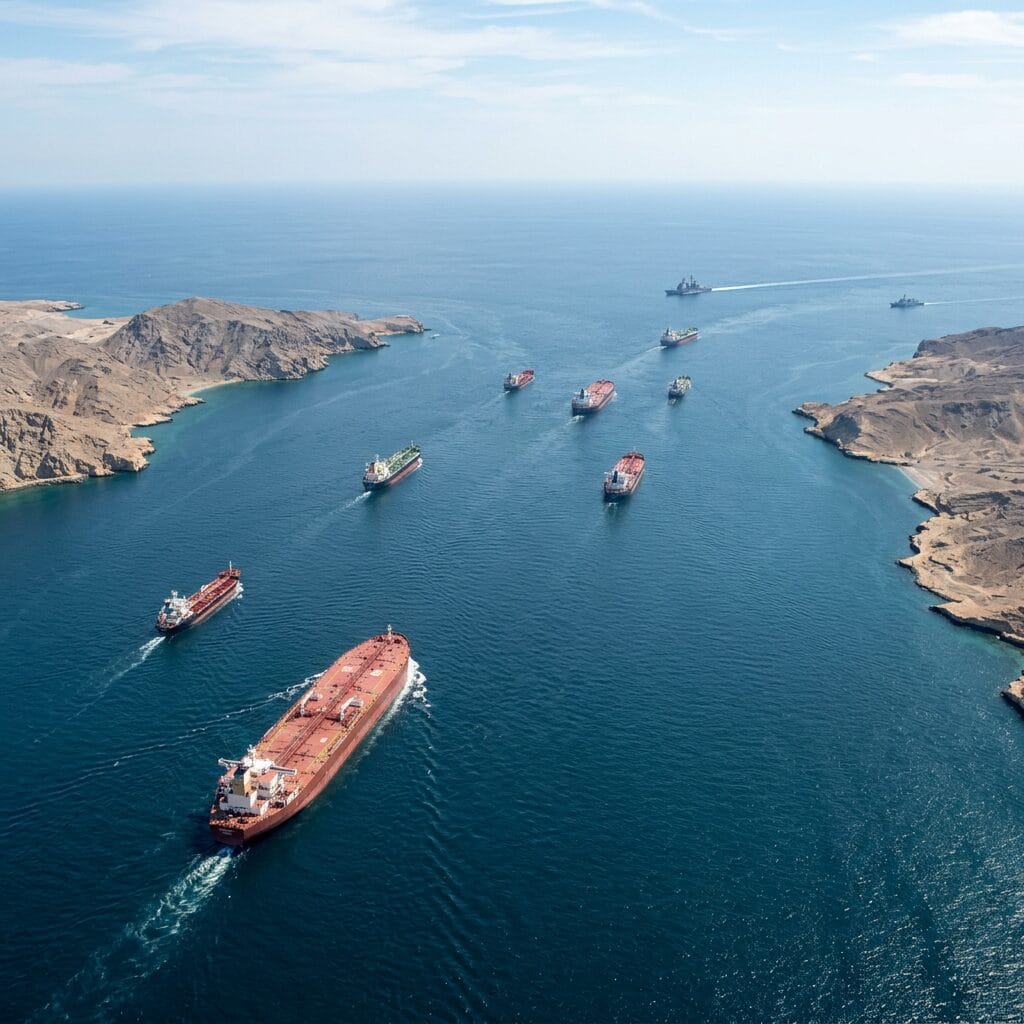
The nuclear issue may be the official core of the negotiations, but the Strait of Hormuz is the pressure point making everything urgent.
Trump needs an accord that helps reopen the strait and restore confidence in one of the world’s most important energy routes. That is not just foreign policy. It is inflation policy. It is gas-price policy. It is market-stability policy. It is midterm politics.
As long as Hormuz remains unstable, the Iran crisis keeps reaching into the global economy.
Oil markets stay nervous. Shipping remains disrupted. Insurance costs rise. Consumers feel the pressure. Central banks get less room to cut rates. Governments far from the Gulf end up paying for a crisis they cannot control.
That is why diplomacy has to move quickly.
The world economy is not built to calmly absorb a half-functioning Hormuz for months.
Trump’s Threat Still Hangs Over Everything
The talks are happening under the shadow of force.
Trump has expressed hope for a deal, but he has also threatened renewed military strikes if Iran does not reach an agreement. That creates leverage, but it also creates danger. A negotiation conducted under threat can produce results, but it can also collapse suddenly if one side decides the other is negotiating in bad faith.
That is the risk now.
A deal may be close enough to imagine. War may still be close enough to return.
That is not a stable middle ground. It is a ledge.
Russia Is Not the Shortcut Right Now
The question of whether Russia could take possession of Iran’s enriched uranium is interesting, but Vance’s answer suggests it is not currently the American plan.
That matters because outside custody arrangements sometimes appear in nuclear diplomacy as a way to reduce immediate risk while allowing both sides to claim they protected their core interests. But if that path is not active, then the negotiations still depend on finding another mechanism that can satisfy Washington’s demand for assurance and Tehran’s demand for sovereignty.
That is not easy.
The technical details of a nuclear deal are always where political optimism goes to be tested.
Progress Is Real Only If It Survives the Details
Diplomatic progress can mean many things.
It can mean both sides are still talking. It can mean they agree on broad principles. It can mean they are narrowing differences. Or it can mean they are saying positive things publicly while still fighting over the clauses that matter most.
That is why the next phase is crucial.
The real test is not whether officials say the tone has improved. The real test is whether the two sides can agree on enforceable limits, verification, timelines, sanctions relief, nuclear material handling, and what happens if either side claims the other cheated.
That is where deals live or die.
The Region Needs More Than a Pause
Even if a nuclear framework is reached, the broader region will remain fragile.
The war has already disrupted shipping, raised energy prices, threatened Gulf infrastructure, strained Lebanon, and pushed multiple countries into emergency economic planning. A deal with Iran could reduce the immediate danger, but it will not automatically erase the damage or restore trust overnight.
Ships will need to move normally again.
Markets will need confidence.
Gulf states will need reassurance.
Iran will need incentives not to reignite the crisis.
The United States will need to avoid turning every dispute into a countdown to strikes.
That is the bigger challenge: transforming a pause into a stable exit.
The Meaning of the Moment
Vance’s comments are important because they suggest diplomacy is not dead.
That matters. It may be the best news the region has had in weeks.
But this is still a dangerous moment. The United States wants a nuclear guarantee. Iran wants a deal it can survive politically. Trump wants Hormuz reopened and inflation pressure eased. The region wants to avoid another round of war. Markets want certainty that still does not exist.
Progress is better than collapse.
But progress is not peace.
The real question now is whether both sides can turn the current opening into an agreement before the pressure, threats, and mistrust drag them back toward conflict.