

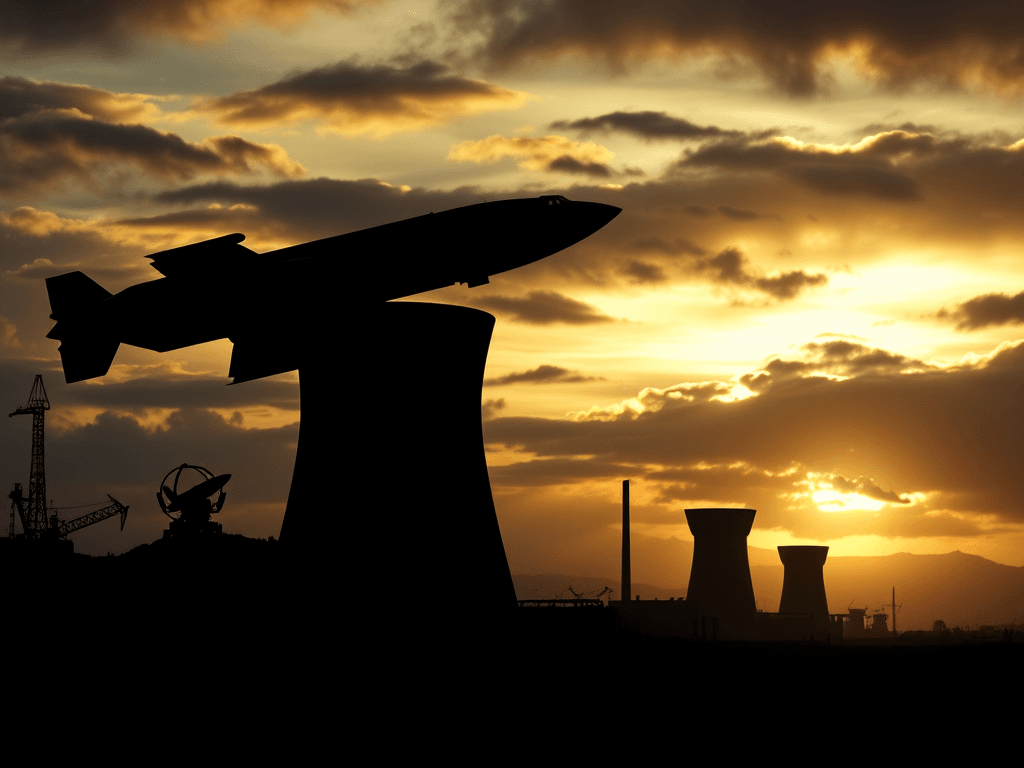
A decades-old guardrail is starting to crack.
The last remaining major U.S.–Russia strategic arms control agreement is nearing its end, and the warning signs are everywhere: suspended inspections, collapsing trust, rising tensions, and growing uncertainty about what replaces the old framework—if anything replaces it at all.
The result is what many analysts now call a “new nuclear age”: more players, more weapons modernization, fewer constraints, and less transparency.
Why this one treaty matters so much
For years, arms control has done something unglamorous but essential: it has made nuclear competition predictable.
Even when Washington and Moscow hated each other, treaties provided:
- limits on deployed strategic warheads and delivery systems
- verification tools (inspections, data exchanges)
- a structured way to avoid worst-case assumptions
When those mechanisms fade, countries begin planning for the unknown—and nuclear planning is the most expensive, paranoia-prone form of planning on Earth.
What’s changing: from managed rivalry to unmanaged escalation
The old nuclear era was dominated by two superpowers that understood each other’s arsenals intimately. The emerging era looks different:
- U.S. and Russia are modernizing systems while political relations remain toxic.
- China is expanding its nuclear forces, adding a third major pole to strategic calculations.
- Regional nuclear flashpoints (South Asia, Korean Peninsula, Middle East anxieties) sit beneath the great-power rivalry like dry brush.
That mix makes crisis management harder. It also makes arms control harder because the incentives are fractured: a deal between two states no longer defines the whole system.
The verification problem: the world loses sight of the numbers
Treaties aren’t just about caps. They’re about seeing.
If inspections stop and data exchange erodes, both sides must guess. And when nuclear planners guess, they guess pessimistically:
- “What if they have more than we think?”
- “What if they can surge faster than we can?”
- “What if a first strike becomes thinkable?”
That’s how you get arms racing even without a declared arms race.
Why renewal isn’t straightforward
Even if both sides wanted to extend or replace the deal, the obstacles are huge:
- broken diplomatic relations and war-driven hostility
- mutual accusations of violations and bad faith
- the question of whether China must be included (and whether China would agree)
- new weapons categories and technologies that complicate definitions and counting rules
- domestic politics that treat arms control as weakness rather than stability
In short: the old model of “two rivals agree to constrain each other” is no longer easy to sell—or easy to design.
What a “new nuclear age” feels like in practice
It won’t necessarily look like mushroom clouds. It looks like:
- bigger budgets for modernization
- more frequent nuclear signaling and drills
- looser thresholds and scarier rhetoric
- faster timelines in crisis scenarios
- risk of miscalculation rising quietly year by year
Nuclear danger rarely arrives as a single dramatic moment. It arrives as the gradual removal of friction and visibility.
What could stabilize things (even partially)
If a grand treaty is out of reach, a “damage control” menu still exists:
- limited transparency agreements
- revived hotlines and crisis communication
- mutual pledges on avoiding certain destabilizing postures
- multilateral talks that include China (even if only on principles at first)
- confidence-building steps that restore some predictability
These don’t solve rivalry. They reduce the chance rivalry becomes catastrophe.
Bottom line
The clock is ticking on the last major U.S.–Russia strategic arms restraint framework. If it expires without replacement, the world doesn’t automatically plunge into nuclear war—but it does slide into a more dangerous environment: more weapons, less verification, more uncertainty, and more chances for a crisis to outrun diplomacy.
That’s what a “new nuclear age” really means: not inevitable disaster—just fewer guardrails between humanity and its worst invention.

