


Donald Trump says there is no rush to finalize an Iran deal.
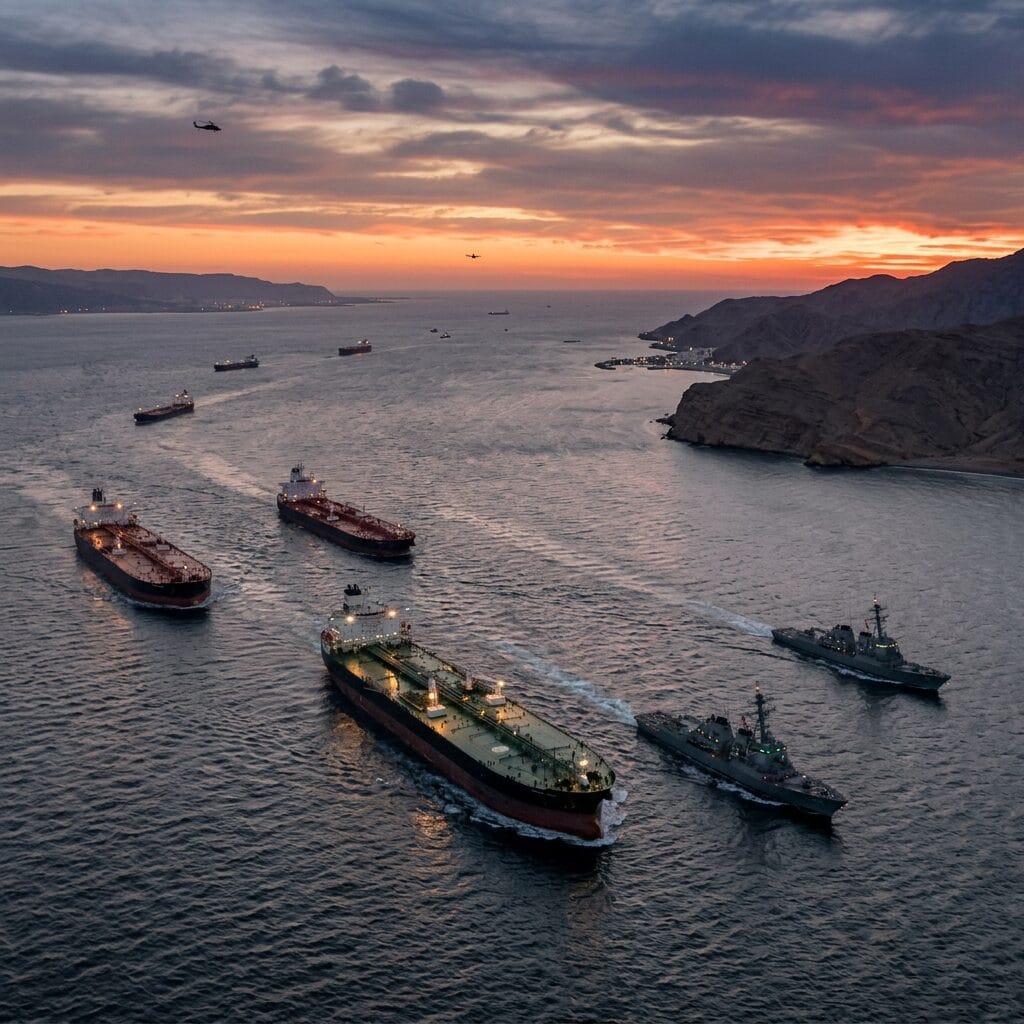
That may sound cautious. It may even sound responsible. But for the global economy, the clock is already running. The Strait of Hormuz remains badly disrupted, the U.S. blockade on Iranian shipping is still in force, and one of the world’s most important energy arteries is nowhere near normal.
So yes, diplomacy should be careful.
But pretending time is cheap is dangerous.
The Deal May Be Close, but the Crisis Is Not Over
Trump says negotiations with Iran have become more professional and productive. That is good news.
But the same statement also made clear that the U.S. blockade will remain until an agreement is reached, certified, and signed. That means the pressure point at the center of the crisis is still active. Ships are still moving through Hormuz at a fraction of normal levels. Markets are still waiting. Energy flows are still constrained. Inflation pressure is still alive.
This is the contradiction.
Washington is talking like diplomacy has time. The global economy is behaving like time is running out.
Hormuz Is the Real Test
The central issue is not whether leaders can produce hopeful language.
The central issue is whether the Strait of Hormuz can reopen fully, safely, and predictably. Before the war, the waterway carried roughly one-fifth of global oil and liquefied natural gas shipments. Now traffic remains far below normal, even after partial movement through the route.
That matters because a few dozen ships passing with permission is not normal commerce.
It is controlled movement under pressure.
A chokepoint this important cannot remain half-open without keeping the world economy in a state of stress.
“No Rush” Sounds Different When Fuel Prices Are Rising
Trump may want to avoid signing a flawed deal. That instinct is understandable.
But the political reality is harsher. The war has already hit energy prices. It has already hurt Trump’s approval ratings. It has already turned foreign policy into a domestic cost-of-living problem. Every extra week of disruption risks feeding gasoline prices, fertilizer costs, food inflation, shipping expenses, and market uncertainty.
That is why the phrase “no rush” lands awkwardly.
For diplomats, delay may mean caution. For families and businesses, delay can mean higher bills.
Iran Still Has Its Own Demands
The talks are not stuck because of one technical detail.
Iran wants sanctions relief. It wants frozen oil revenues released. It wants an end to the threat of renewed U.S. attacks. It wants Lebanon and Hezbollah-related conflict addressed. It also appears to be asserting a right to manage the Strait of Hormuz, which raises the core question of whether Tehran wants normal reopening or a new system where it decides who passes.
That is a major obstacle.
The United States wants an open waterway and nuclear guarantees. Iran wants leverage, security, and economic relief. Those goals may overlap enough for a temporary framework, but they do not automatically produce trust.
Israel Is Still a Complication
Any Iran deal also runs through Israel’s security concerns.
Prime Minister Benjamin Netanyahu has made clear that any final agreement must remove the nuclear threat by dismantling Iran’s enrichment sites and removing enriched nuclear material from Iranian territory. He also says Israel must remain free to act against threats in Lebanon.
That means even if Washington and Tehran move toward a framework, Israel could still resist any deal it sees as too weak.
This is the problem with multi-front wars.
A deal on one track can be undermined by conflict on another.
A Three-Stage Framework May Buy Time
The proposed framework reportedly has three parts: formally ending the war, resolving the Hormuz crisis, and opening a 30-day window for broader negotiations.
That structure makes sense.
It allows both sides to stop the immediate bleeding while postponing the hardest issues. It could reopen shipping, calm markets, reduce military risk, and create space for a wider settlement.
But it also has a weakness.
If the first stage only freezes the conflict without solving the nuclear dispute, sanctions fight, Lebanon question, and Hormuz control issue, then the deal may become another temporary pause waiting to fail.
The Energy Crisis Will Not Vanish Overnight
Even if a deal is signed, normal energy flows will not return instantly.
The disruption has already damaged confidence. Shipping firms, insurers, energy traders, and governments will not behave as though everything is safe the moment leaders shake hands. Supply chains take time to restart. Tanker routes take time to normalize. Markets take time to trust that the ceasefire will hold.
That means a deal would be necessary, but not sufficient.
It could stop the crisis from worsening. It would not immediately erase the damage.
Trump Wants Leverage, but Leverage Has Costs
The blockade gives Washington pressure.
It also keeps the global economy under strain.
That is the basic tradeoff. Trump wants Iran to understand that it cannot obtain nuclear weapons and cannot simply wait out U.S. demands. But the longer pressure is maintained through a major energy chokepoint, the more the rest of the world pays for the strategy.
Leverage is not free.
Sometimes the cost lands first on ordinary people who have nothing to do with the negotiations.
The Real Risk Is a Deal That Pleases Nobody
The danger now is that the emerging framework may be too much for hardliners and too little for markets.
Iranian sources say differences remain. Israel wants tougher nuclear terms. Regional leaders want the framework accepted. Trump wants to avoid mistakes but also needs relief from energy pressure. Markets want shipping normalized. The public wants fuel prices down. Every side is looking at the same deal and asking for a different victory.
That makes the process fragile.
A deal may be close in outline but still difficult in reality.
The Meaning of the Moment
Trump is right that a bad Iran deal could be dangerous.
But delay is also dangerous.
The Strait of Hormuz remains disrupted. The U.S. blockade continues. Iran still wants major concessions. Israel remains wary. Energy markets are still under pressure. And the broader conflict has already caused massive human and economic damage.
So the issue is not whether negotiators should rush.
They should not.
The issue is whether they understand that the world economy is already paying for every day the crisis remains unresolved.
A careful deal is needed.
But it needs to arrive before “no rush” becomes another way of saying the pain will continue.