


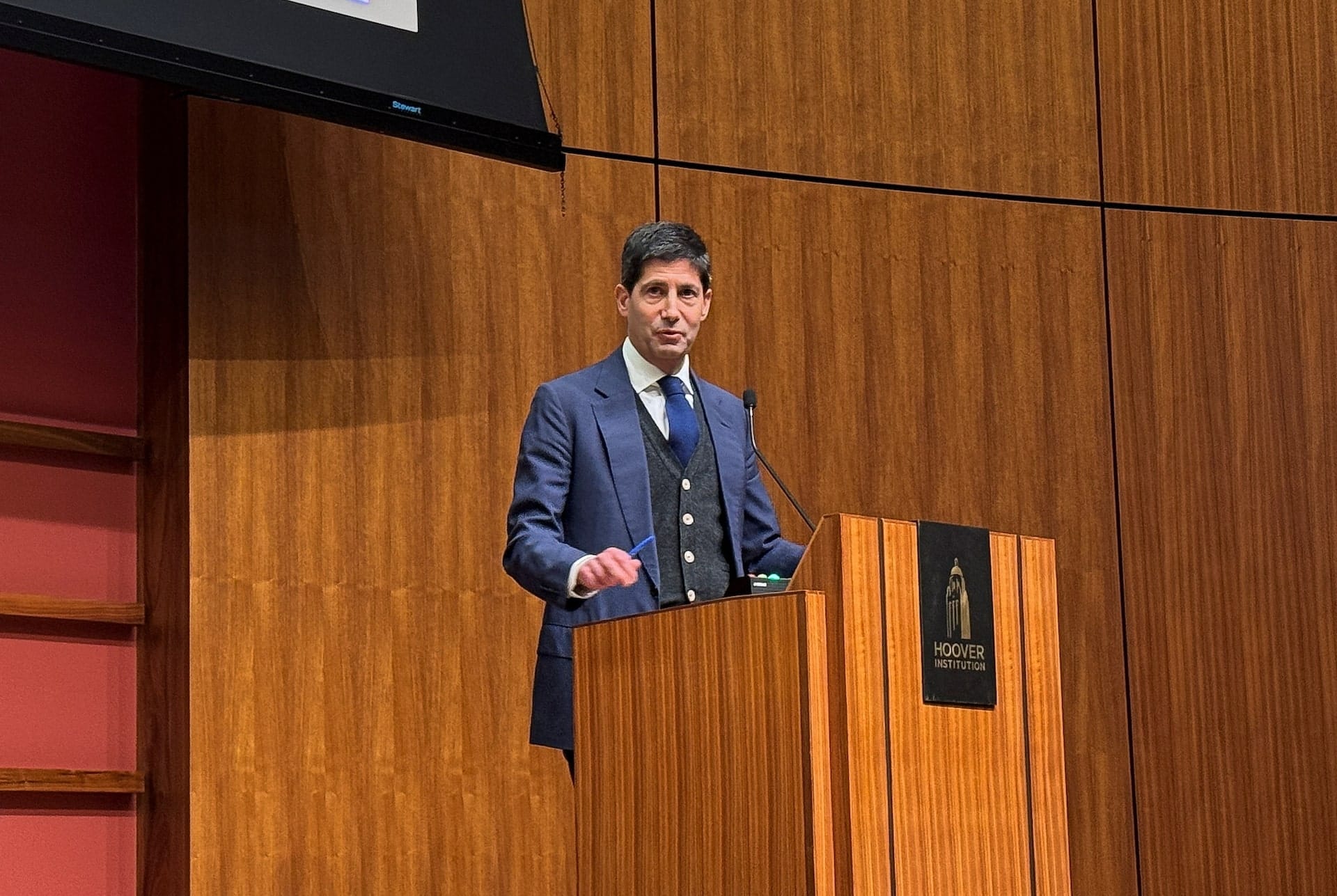
The White House just made its biggest move yet in the campaign to reshape U.S. monetary power: Donald Trump has picked Kevin Warsh to be the next chair of the Federal Reserve when Jerome Powell’s leadership term ends in May 2026.
On the surface, this is a staffing story. Underneath, it’s a structural one: who controls the cost of money, and how much political pressure the central bank can absorb before markets start pricing in the risk of “policy capture.”
Why Warsh, why now
Warsh is not a random outsider. He served as a Fed governor from 2006–2011, a period that included the financial crisis. Back then, he had a reputation as an inflation hawk and became a key liaison to Wall Street during the crisis era under Ben Bernanke. In recent years, he’s been publicly arguing for steeper rate cuts and an overhaul of what he portrays as the Fed’s operating regime.
He’s now affiliated with Hoover Institution and teaches at Stanford Graduate School of Business—cred credentials that read “establishment,” even if his recent rhetoric reads “revolt.”
Warsh has also taken positions that line up neatly with Trump’s preferred narrative: that the Fed has been too slow to cut, too willing to tolerate high borrowing costs, and too resistant to political direction.
A nomination with a political fuse attached
This nomination doesn’t land in a calm environment. It lands during an open pressure campaign around Fed independence—one that’s already been inflamed by a Justice Department investigation involving Powell (which Powell has framed as political pressure).
That’s why the confirmation fight may turn nasty. Thom Tillis has already said he will oppose confirmation of any Fed nominee until the DOJ inquiry is resolved, a stance that puts a procedural grenade under the process—especially in a closely divided Senate.
Other Republicans are signaling support, including Tim Scott (as Senate Banking chair) and Bill Hagerty, who are portraying Warsh as a stabilizing, mandate-focused pick. But the tension is unavoidable: markets don’t just watch the nominee—they watch the political environment that produced the nominee.
What Warsh says he wants to change
Warsh has been associated with “regime change” talk at the Fed—language that typically implies more than tweaking a rate path. The big buckets are:
- Aggressive easing bias: He has argued the Fed should be more willing to cut, including the idea that productivity growth (including AI-driven gains) may be underappreciated by policymakers.
- Balance sheet tightening: A push to slim the Fed’s balance sheet—less central bank footprint, more “normalization.”
- Regulatory loosening: Calls to ease bank regulation, which would be welcomed by parts of finance but watched carefully by critics who worry about systemic risk.
That combination—rate cuts + deregulation + balance-sheet changes—is a full-spectrum attempt to reshape how the Fed behaves, not just what it decides at the next meeting.
The market angle: policy expectations meet political risk
The timing matters. The Fed cut rates three times in 2025, taking the benchmark range down to 3.50%–3.75%. It then signaled a pause as growth and the labor market steadied. Markets have been leaning toward “later cuts,” with a lot of attention on mid-2026.
Warsh’s nomination adds a new variable: investors now have to assess not only when cuts might resume, but also whether the Fed’s decision-making environment is becoming more political—and whether that increases long-term inflation risk or destabilizes expectations.
That’s why these moments can produce mixed reactions:
- Short term: some traders may hear “Warsh” and think “more cuts.”
- Medium/long term: institutions hear “pressure + independence tests” and start asking whether inflation credibility gets dented.
The real story: power, not personality
Yes, the headlines will fixate on the characters, the optics, and the confirmation theatrics. But the deeper issue is that the Fed’s perceived independence is one of the invisible pillars of U.S. financial stability. When that pillar looks politicized, the risk doesn’t stay in Washington—it spreads into the dollar, Treasury markets, and global pricing of credit.
Bottom line: Trump’s pick of Warsh is a bet that markets will tolerate a louder White House hand on the monetary wheel. Whether that bet pays off depends less on Warsh’s resume—and more on whether the confirmation process and early signals preserve the idea that the Fed still answers to data first, not politics first.