


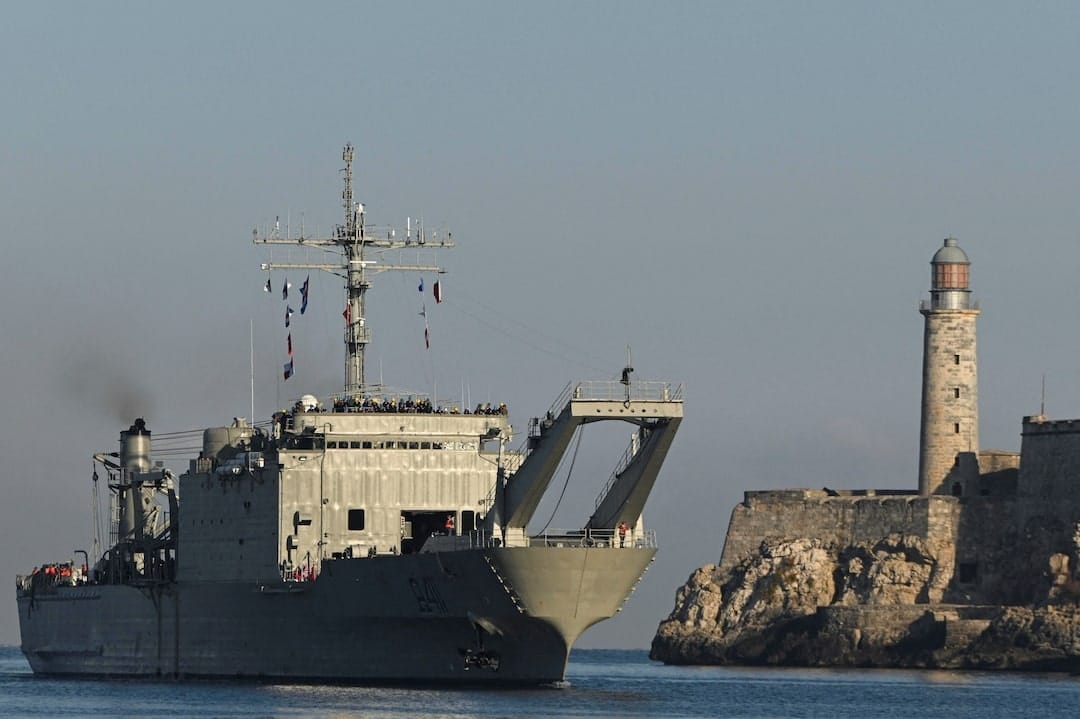
Two Mexican-flagged ships carrying humanitarian supplies slipped into Havana Harbor early Thursday, bringing a visible reminder that Cuba’s regional allies are still willing to help—even as Washington ramps up pressure on countries that support the island’s fuel lifeline.
One vessel, Papaloapan, was seen entering the bay with deck loads of white-wrapped pallets stacked high as it passed the old fortress at El Morro. A second ship followed, part of a coordinated delivery that Mexico says is aimed directly at Cuba’s civilian population.
What’s on the ships: food and basic necessities
Mexico says the two vessels sailed from the port of Veracruz with more than 814 tons of supplies. The cargo list reads like an emergency shopping cart for a country under tightening constraints:
- liquid and powdered milk
- meat products
- cookies
- beans and rice
- tuna and sardines
- vegetable oil
- personal hygiene items
It’s not glamorous aid—but it’s the kind that matters most when shelves thin out, cooking becomes harder, and households are forced to stretch rations day by day.
Why this shipment matters right now
This delivery lands at a politically charged moment.
Cuba has announced stricter rationing measures in recent days as it tries to cope with efforts by the United States to choke off the country’s fuel supply. Washington has threatened tariffs on countries that send oil to Cuba, framing the island as an “extraordinary threat” to U.S. national security—an accusation Havana rejects.
Mexico’s position is complicated: it has been one of Cuba’s key partners, but it also faces intense pressure from the U.S. In fact, Mexico halted shipments of crude and refined products to Cuba in mid-January amid that pressure—making humanitarian aid a way to keep support flowing without directly stepping into the most contested lane: energy.
A lifeline with limits
Food and hygiene supplies help immediately. But they don’t solve the deeper constraint: fuel.
Cuba’s current strain isn’t only about what people can buy—it’s about what the country can run. Fuel shortages ripple into everything: transportation, electricity generation, food distribution, and the ability of factories and services to operate reliably. When energy tightens, rationing follows, and every other shortage becomes harder to manage.
That’s why this shipment is both meaningful and revealing. It’s a lifeline—but it also shows how narrow the channels of assistance are becoming under rising geopolitical friction.
The symbolism: “We haven’t abandoned you”
For many Cubans, the optics matter. People gathered along the waterfront to watch the ships arrive, and the mood was less about spectacle than relief. One resident watching the harbor described the aid as an “unforgettable gesture,” praising Mexico for continuing to help despite pressure from a superpower.
In moments like this, humanitarian aid is never just logistics—it’s diplomacy made tangible. A pallet of rice is also a message: you are not alone.
What to watch next
This episode points to three near-term questions:
- Will Mexico send more shipments?
Mexico’s leadership has indicated this won’t be a one-off. Continued deliveries would signal a longer-term commitment to keeping Cuba supplied through non-oil channels. - Will the U.S. escalate enforcement?
Threats and tariffs are one thing; sustained enforcement against third countries is another. The difference will shape how willing other governments are to assist Cuba. - How severe will Cuba’s rationing become?
If fuel restrictions bite harder, humanitarian shipments may increase even as the situation on the ground worsens—because food aid can’t substitute for energy.
Bottom line
Two ships entering Havana may look like a simple act of solidarity, but the timing makes it bigger than that. Mexico is threading a narrowing needle: supporting Cuba’s civilians while navigating U.S. pressure aimed at isolating the island’s energy supply.
For Cuba, the supplies provide immediate relief. For the region, the arrival underscores a growing reality: humanitarian channels are becoming a frontline in a wider economic and political contest.